Almost every buying mistake in this category comes from shopping by price instead of by mechanism. There are five ways a home machine turns liquid into ice cream, they cost wildly different amounts, and the cheap one is genuinely excellent. What separates them is not the quality of the ice cream so much as what the machine asks of you before you get any.
The five mechanisms, in one paragraph each
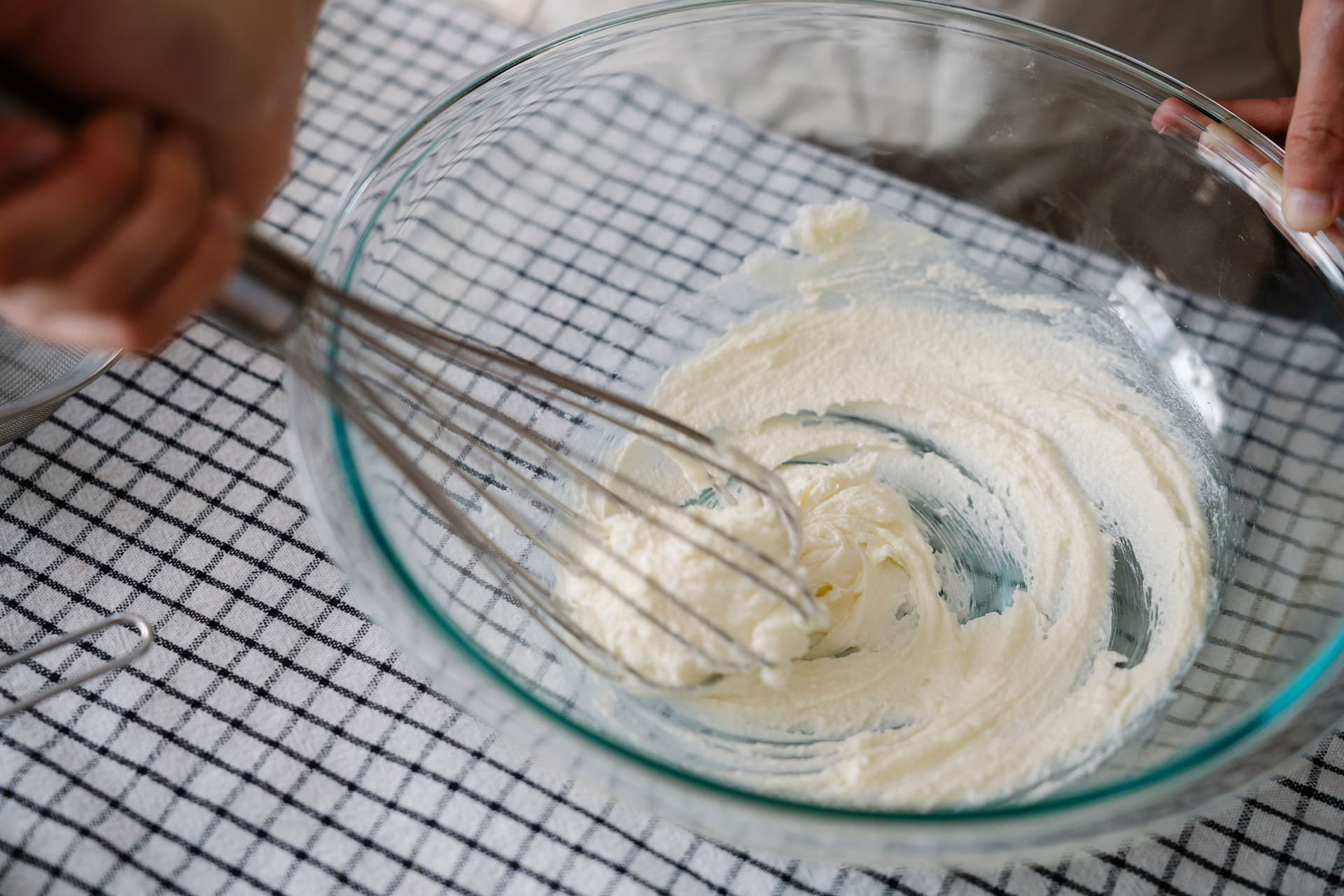
Freezer bowl (canister). A double-walled bowl holds a gel that you freeze solid, then a small motor turns a paddle inside it. The bowl needs 16 to 24 hours in the freezer, which means ice cream is a decision you make the day before. Cuisinart's ICE-21P1 is the archetype: America's Test Kitchen named it the best canister-style machine in its June 2026 review at $70. These are the cheapest machines and they make very good ice cream. The constraint is planning, not quality.
Compressor (self-refrigerating). A real refrigeration unit inside the machine chills the bowl on demand. No pre-freeze, no planning, and you can run a second batch immediately. You pay four to eight times as much, and you give up 25 to 38 pounds of permanent counter space. ATK's self-refrigerating pick, the Whynter ICM-201SB, was listed at $310.
Spin / blade. The Ninja CREAMi family and its alternatives do not churn at all. You freeze a pint of base completely solid, then a blade shaves it into ice cream in about two minutes. It is a different machine doing a different job: brilliant for single pints made days ahead, and still a 24-hour planning problem, because the pint has to freeze.
Ice-and-salt bucket. The oldest design and still the only way to make four to six quarts in one go. You pack the bucket with ice and rock salt every batch, which is a consumable cost and a mess, and in exchange you get more ice cream per session than any other kind of machine, for less money.
Stand mixer attachment. If a KitchenAid is already on your counter, the KICA0WH attachment gives you two quarts with no new appliance to store. Its bowl wants at least 24 hours in the freezer, per KitchenAid, and it is worthless if you do not own a compatible mixer.
What actually decides the price
Three things, in order. Refrigeration is the big one: a compressor is a small fridge, and it roughly quintuples the price over a gel bowl. Capacity is second, though not the way you expect, because ice-and-salt buckets buy capacity cheaply while compressors charge a premium for it. Automation is third: timers, hardness sensors and program presets. The Breville Smart Scoop's twelve hardness settings are the clearest example, and at $600 per ATK's June 2026 listing they are most of what you are paying for.
Notice what is not on that list: how good the ice cream is. A $70 canister machine and a $343 compressor both make ice cream you would happily serve. See compressor versus freezer bowl for the direct comparison, and what a batch actually costs for the ingredient side of the equation.
The mistake beginners make
Buying for the summer they imagine rather than the week they have. The honest question is not “which machine makes the best ice cream” but “how many times will I make ice cream in a year, and how far ahead will I remember to decide?” If the answer is four times, a canister machine is correct and a compressor is a $270 mistake. If the answer is weekly and spontaneously, the compressor pays for itself in batches that actually happened.
The second mistake is capacity. 1.5 quarts sounds small and is fine for four people once. It is not a week of dessert, and no machine in this category is. If you are feeding six at a lake house, look at the big-batch machines rather than buying a small machine twice.
Where to start
If you want one answer: read best ice cream makers for beginners, buy the top pick, and make the no-fail vanilla first. If you want to understand the decision before you spend anything, start with how to choose an ice cream maker.