Straight answer: worth it if you currently buy premium pints, or if you want a frozen dessert you cannot buy — a genuinely fresh one, or one made to your own sugar and fat levels. Not worth it if you buy half-gallon tubs and expect to save money.
Here is both sides, with the numbers.
The case for
Fresh ice cream is a different food
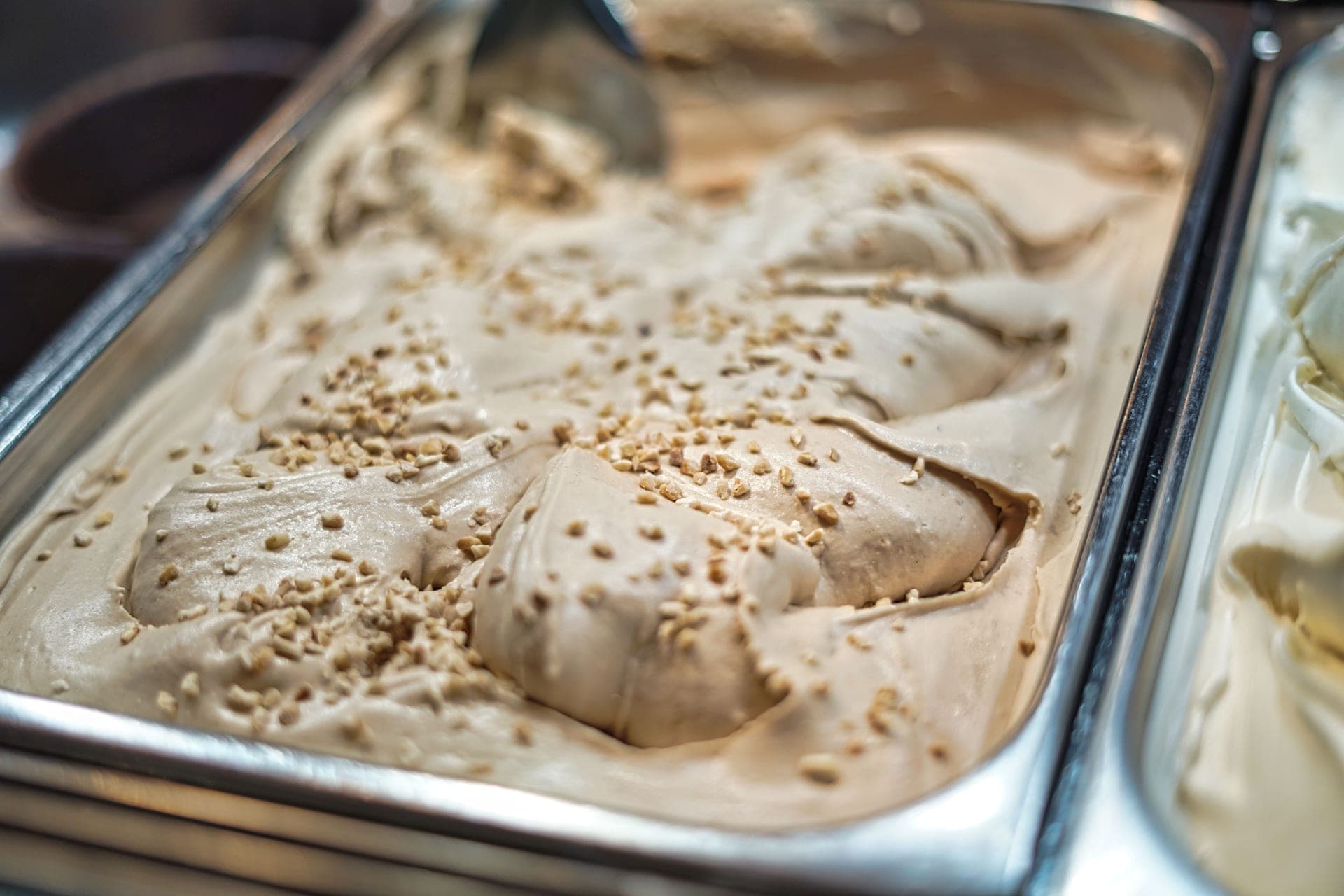
This is the real argument and it is not about money. Ice cream made yesterday, with no stabilizers and no weeks-in-a-distribution-chain, tastes noticeably better than anything in a freezer aisle. It is denser, the dairy tastes like dairy, and the flavor is not muted by the additives that keep commercial product stable.
If you have never eaten ice cream within a day of it being made, that is the thing worth buying a machine for.
The money works against premium pints
Using published August 2026 prices, a cream-heavy homemade quart costs about $3.80 in ingredients. USDA's advertised-price report for the period ending 1 October 2026 put conventional 14-to-16 ounce ice cream at a weighted average of $4.15.
So a homemade quart is roughly half the price per ounce of a premium pint. At America's Test Kitchen's June 2026 price of $70 for the Cuisinart ICE-21P1, the machine pays for itself in about 16 batches. Full arithmetic in what homemade ice cream actually costs.
Control over what is in it
You decide the sugar, the fat and the additives, which matters if you are managing any of those. A spin machine specifically makes high-protein and low-sugar frozen desserts that no churning machine handles well, which is a capability you cannot buy in a tub — see best machines for protein ice cream.
Flavors that do not exist commercially
Whatever is in season, whatever you like, and nothing you do not. This is the reason people who use these machines keep using them.
The case against, and we mean it
It will not save you money against bulk tubs. USDA put 48-to-64 ounce conventional ice cream at a weighted average advertised price of $3.74 in the same report. That is cheaper per ounce than anything you can make with real cream, because industrial ice cream uses less fat, more air and cheaper solids. If your baseline is the big tub, homemade costs more. Full stop.
The rest of the case against
The planning problem is real and it is what kills these purchases
Every affordable machine needs about 24 hours of notice: a freezer bowl wants 16 to 24 hours, a Ninja CREAMi pint has to freeze overnight. Ice cream is therefore a decision you make the day before.
Most unused ice cream makers in the world are canister machines bought by people who fully intended to plan ahead. If that is a realistic description of you, either commit to keeping the bowl in the freezer permanently — which does genuinely solve it — or spend the money on a compressor machine.
It takes space you may not have
A canister bowl wants a permanent freezer shelf. A compressor machine weighs 24 to 38 pounds and lives on the counter forever. A Ninja CREAMi needs 18.39 inches of vertical clearance and freezer room for its pints. Space is the cost people do not price in.
Homemade ice cream does not keep
No stabilizers means it is best in the first two or three days and noticeably worse after a week. That suits frequent small batches and punishes the person who makes one big batch a month — see storing homemade ice cream.
It is louder and messier than you think
Dream Scoops measured the Cuisinart ICE-21 at 79 to 82 dB. Bucket machines need ice and rock salt every batch and produce salt water that has to be drained. None of this is terrible; all of it is more involved than opening a tub.
The $0 way to find out
Before you spend anything, do one of these this weekend.
Make ice cream in a bag. A sandwich bag, ice, salt and ten minutes of shaking. Real ice cream, essentially free, and it tells you whether the process appeals to you at all.
Make no-churn ice cream. Whipped cream and condensed milk, no machine. If you find yourself wanting less sweetness and more flavors, that is exactly what a machine gives you.
If either of those makes you want to do it again next weekend, buy the machine. If neither does, you have saved $70 and a cupboard.
Who should buy which
- Buys premium pints, will plan ahead: buy a canister machine. Best value decision in the category.
- Buys premium pints, will not plan ahead: buy a compressor. It costs more and it will actually get used.
- Wants high-protein or low-sugar desserts: buy a spin machine. Nothing else does this job.
- Buys bulk tubs and wants to save money: do not buy anything. You will spend more.
- Not sure: make ice cream in a bag first.
Ready? How to choose an ice cream maker narrows it in four questions.