Skip to content
Freeze & Fold

Ice Cream Makers11 min read

The best ice cream ball makers, and when to skip the ball

A ball with brine at one end and cream at the other is a real ice cream maker. It is also the slowest one on this site, and buying it for the wrong reason is the single most common mistake in this corner of the category.

By Janet H.Published Last reviewed
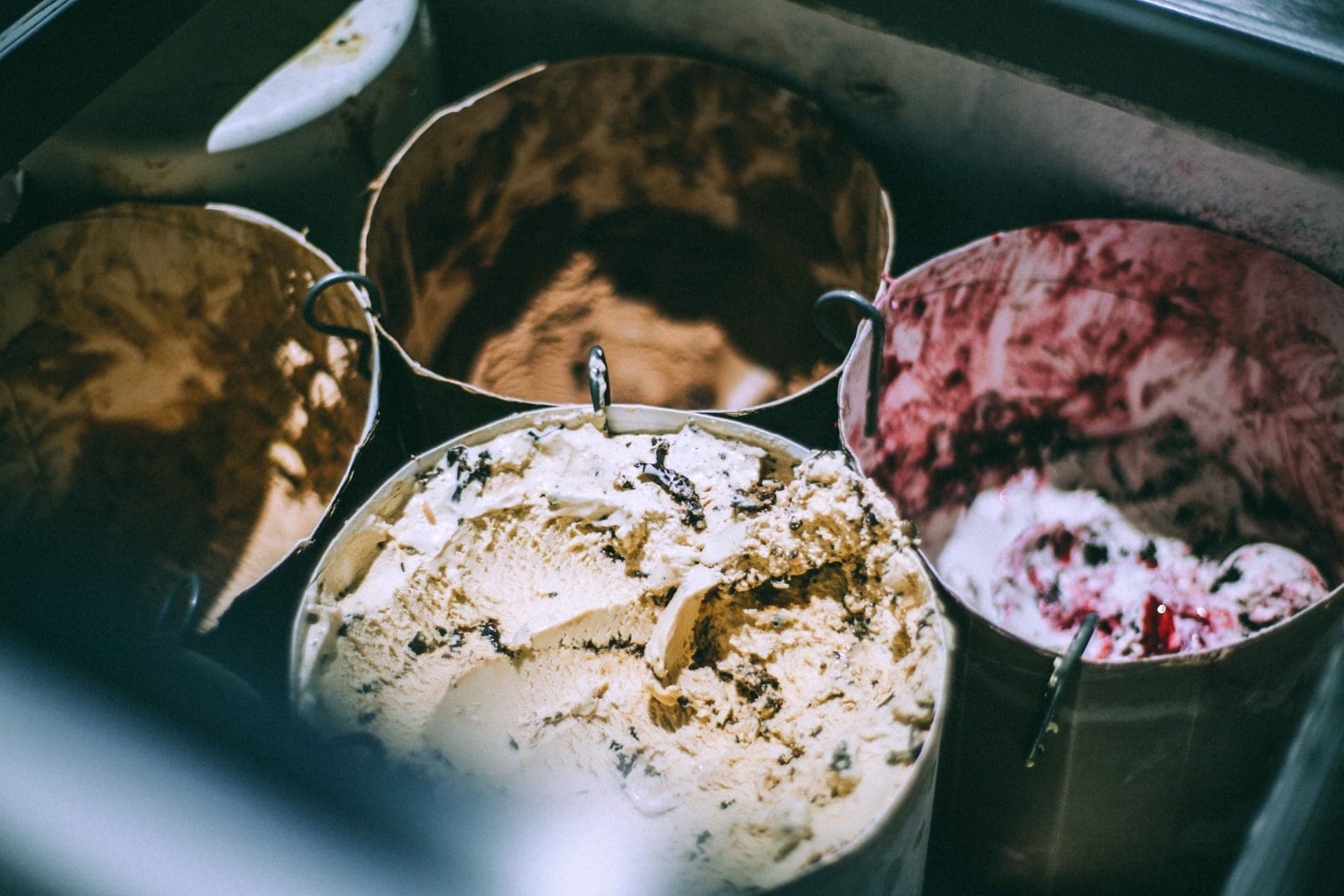
Steel buckets of ice cream in several flavors, seen from above

How we pick

We do not test ice cream makers in a kitchen of our own. Every pick here is an editorial synthesis of published hands-on testing by named reviewers plus manufacturer specification data, cited on this page. Product photos and prices come from Amazon's own listing for each machine and refresh daily; where we could not match a machine to one exact listing, the photo is a representative stock image of the machine type rather than that model. Read the full methodology.

DisclosureFreeze & Fold is a participant in the Amazon Services LLC Associates Program. If you buy through a link on this page we may earn a commission at no extra cost to you. Prices and availability change constantly, so we send you to Amazon to see the current price rather than printing one here. Full disclosure.

Quick picks

Ranked, with the tradeoff named. Tap any row to jump to the full write-up.

#ProductBest forScorePrice
1
YayLabs SoftShell Ice Cream Ball, quart
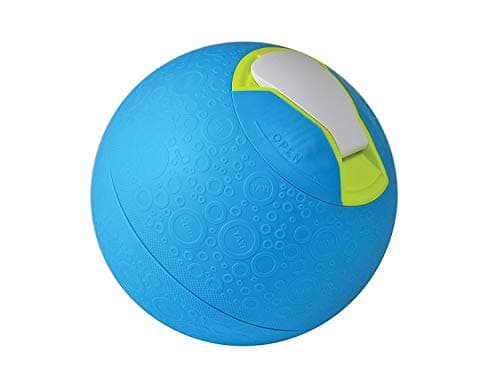
YayLabs SoftShell Ice Cream Ball, quartA 9.5" quart-size SoftShell at 2.7 lb empty. Ice and rock salt at one end, base at the other, 15 to 30 minutes of rolling with a scrape and a re-ice halfway.
The ball, if a ball is what you want6.0out of 10
$53.98

#adas of Nov 10

2
Donvier 837450 Manual
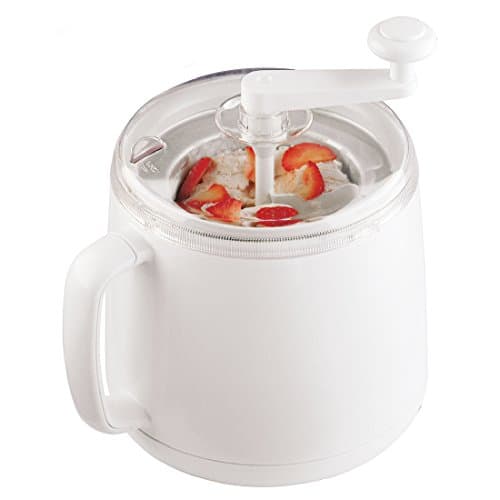
Donvier 837450 Manual1 qt from a pre-frozen Chillfast cylinder and a hand-turned handle. Silent, dishwasher safe on the top rack, and no brine to drain.
No electricity, and no rock salt either6.6out of 10
$94.99

#adas of Nov 10

3
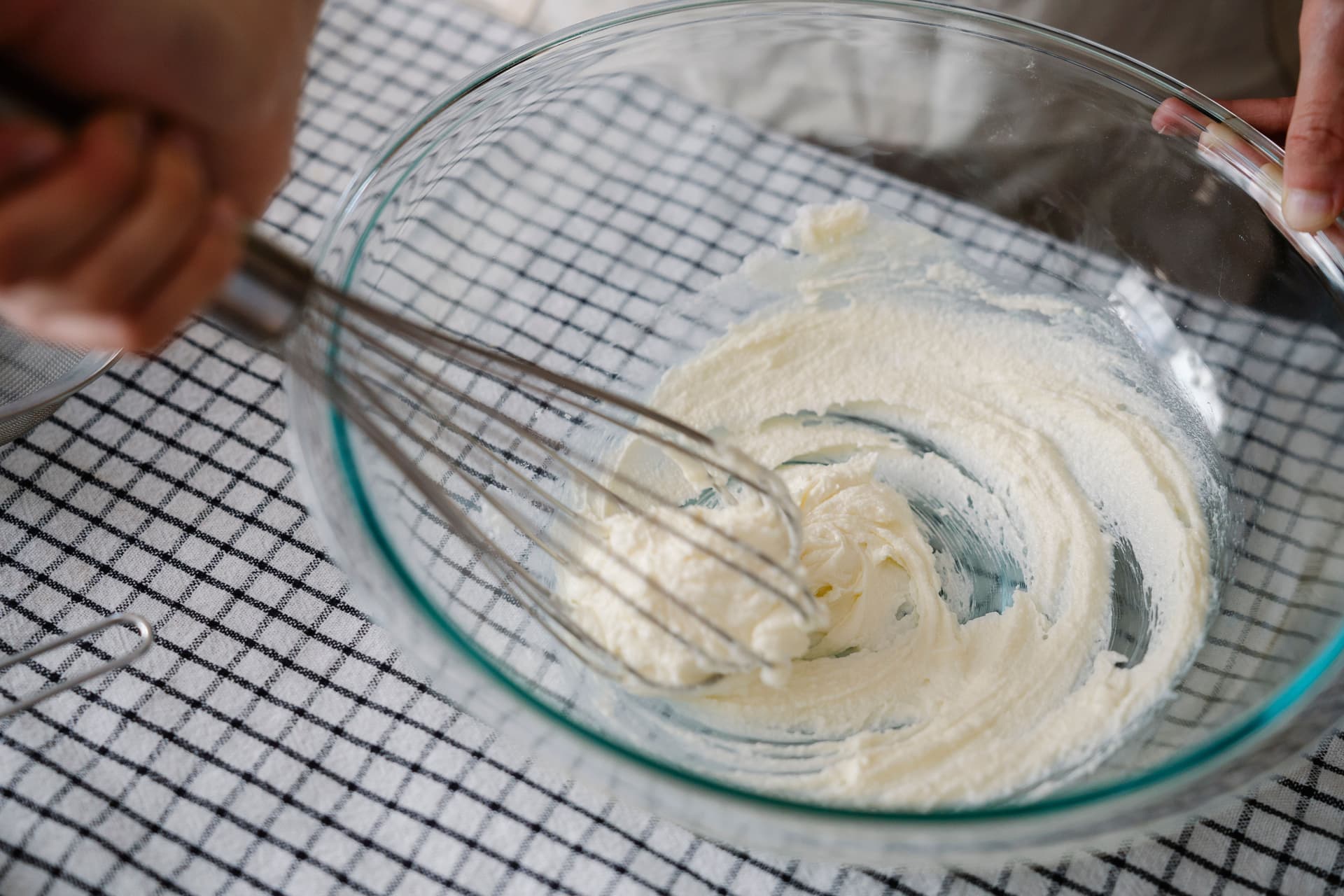
Cream being whisked by hand in a glass bowl
DASH My PintA 12 W freezer-bowl machine that makes about 1.6 cups. Pre-freeze the bowl, press the switch, walk away.
The cheapest motorized way in6.4out of 10
4
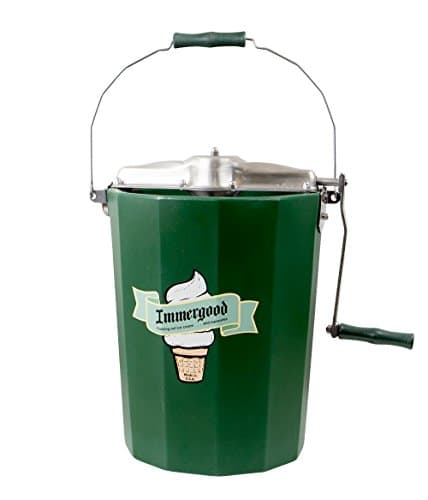
Immergood 6 qt Hand Crank
Immergood 6 qt Hand CrankStainless hand-crank bucket, 6 qt, no motor at all. Ice and rock salt, 20 to 40 minutes of real cranking, built to be handed down.
The same ritual, six times the volume6.8out of 10
$423.92

#adas of Nov 10

5
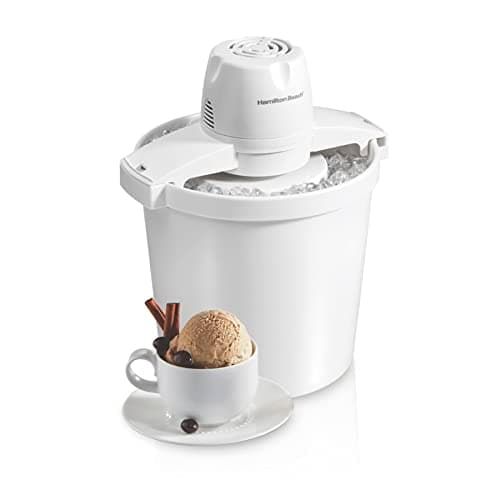
Hamilton Beach 68330N
Hamilton Beach 68330N4 qt, 80 W, ice and rock salt, stops itself in 20 to 40 minutes. No romance and no complaints.
A crowd, with the motor doing the work7.6out of 10
$52.99

#adas of Nov 10

There is only one ice cream ball worth buying, and it is the YayLabs SoftShell in the quart size. It is the one that is reliably in stock, the manufacturer (UCO) publishes a real instruction set for it, and the soft outer shell is a genuine improvement on the old hard-shell version. If the appeal is that the churning is the entertainment rather than the wait, buy it and enjoy it.

If what you actually want is ice cream, four other machines on this page beat it outright - on volume, on effort, on cleanup and on how good the result is. That is not a knock on the ball. It is the single most useful thing anyone can tell you before you spend the money, because almost every disappointed ball owner bought it expecting an appliance and received a game.

What an ice cream ball actually is

Mechanically it is a bucket machine folded into a sphere. One end holds the ice cream base. The other end holds ice and rock salt, which together make a brine far colder than ice water alone - the same chemistry that has driven old-fashioned bucket machines for a century and a half, and the reason how much salt you use matters more than how much ice. Instead of a paddle turning inside a stationary canister, you roll the whole ball so the base tumbles against the chilled wall.

Nothing about that is a gimmick. It is a legitimate member of the family in the types explainer, it needs no electricity and no freezer space, and it will produce real ice cream at a campsite. What makes it unusual is that the machine's motor is a person, and that person has to keep moving for the better part of half an hour.

What to judge a ball on

Five things decide whether you will use one twice, and only the first is on the box.

  • Size, and who is rolling. UCO publishes 9.5 inches in diameter and 2.7 pounds empty for the quart. Loaded with ice, brine and base it is heavier and awkward, which is fine on a lawn and unpleasant on a kitchen floor.
  • The halfway stop. UCO's instruction for the quart is to pause after 15 minutes of mixing, scrape the sides of the ice cream compartment with a wooden or plastic spoon, drain the melt water from the ice end and re-load ice and rock salt. That stop is not optional if you want even freezing, and most buyers do not know it exists.
  • Brine management. The ice end melts into salty water while you work, and it has to go somewhere. Plan on doing this outdoors or over a sink.
  • Cleaning. Hand wash both ends with warm soapy water after each use, per UCO. Nothing here goes in a dishwasher.
  • Shell type. The current SoftShell is a soft-sided ball. The older hard-shell Play and Freeze listings are mostly unavailable now, and that is no loss - a hard plastic sphere being thrown around is harder on hands, floors and the ball.

One rule from the manufacturer that is worth repeating because getting it wrong ruins a batch and possibly the ball: use rock salt, or table or kosher salt as a substitute, and never calcium chloride - the stuff sold for melting driveway ice. UCO says so explicitly.

The honest time budget

UCO quotes “as little as 20 minutes” and its own section heading says 15 to 30 minutes, with the quart taking the longer end and outdoor temperature, ingredients and how actively you roll all changing the answer. Add the halfway stop to scrape and re-ice. So the realistic plan is: half an hour of somebody actively rolling a ball, in two shifts, outdoors. With three children taking turns at a picnic that is the best half hour of the afternoon. Alone in a kitchen it is the worst value for effort of any machine we cover.

1. YayLabs SoftShell Ice Cream Ball, quart: the only one to buy

This is the ball. UCO publishes the figures - 9.5 inches, 2.7 pounds empty, a limited one-year warranty, food-safe BPA-free construction - and it ships with the plastic wrench you need to open it, an instruction sheet and a recipe booklet. The published fill rule is to leave about an inch of space in the ingredient end for expansion, and to hand-tighten the ball closed, using the wrench only to open it. That is a more complete instruction set than most appliance makers bother with, and it is a point in UCO's favor.

It earns its place for one reason: it is the only machine on this site where the churning is the point of the exercise rather than the obstacle. There is no outlet, no bowl taking up freezer space for a day, nothing to pre-plan beyond buying ice. You can do it on grass. It also travels, which no other ice cream maker here genuinely does.

The honest cons. Somebody rolls it for 15 to 30 minutes and stops halfway to scrape and re-ice. Both halves are hand wash only. You buy ice and rock salt every single batch, which is a real running cost - see cost per batch. UCO publishes no finished yield in fluid ounces, only the word “quart”. And the brine end drains salty water as the ice melts, so this is an outdoor or over-the-sink activity, not a countertop one.

One buying note: a pint size exists in the same SoftShell line and UCO's basic vanilla recipe is written for it, with quart recipes simply doubled. The pint is not reliably the cheaper of the two on Amazon, and its listings move in and out of stock, so check both before choosing - we only carry a buy row for the quart because that is the one we could confirm as currently sold.

2. Donvier 837450: no electricity, and no brine either

If the reason you were looking at a ball is “no electricity”, this is almost certainly the machine you actually wanted. The Donvier is a freezer-bowl machine with the motor removed: a patented Chillfast cylinder is frozen overnight, the base goes in, and you turn a light handle occasionally for twenty minutes or less. Cuisipro quotes 1 quart / 0.9 liter, 9.75 by 11.25 by 6.25 inches, 6.86 pounds, dishwasher safe on the top rack.

Against the ball it wins on nearly everything that is not fun: no ice, no rock salt, no melt water, no hand washing, silent, and you stand still while you do it. It is also the better machine to hand a six-year-old, because the handle is light and nothing gets dropped. The full assessment is in the Donvier review.

The honest cons. The Chillfast cylinder has to be frozen overnight, so dessert is a decision you made yesterday - the ball needs no such planning. You still have to stay at the counter turning the handle. One quart is the ceiling and there is one cylinder in the box. And no testing lab we can read has rated it; the only hands-on account we found is from 2018.

3. DASH My Pint: the cheapest way to find out if you care

A 12-watt freezer-bowl machine that takes up to a cup of mixture and yields about 1.6 cups finished, per the manufacturer. Freeze the bowl, pour, flip the switch, and go and do something else. For a household of one it is the lowest-risk purchase in the whole category, and the bowl is small enough to live in a freezer door rather than occupying a shelf.

It is on this page because it answers the same underlying question as the ball - “can I make ice cream without committing to an appliance?” - and it answers it with a motor. See the My Pint review.

The honest cons. A cup and a half out is one dessert, which is less than half what the ball makes. The bowl still needs freezing first. A 12-watt motor will stall on a very stiff mix. And there is no independent test data on it from any source we could read.

4. Immergood 6 qt hand crank: the ritual at scale

If what appealed about the ball was children, a yard and doing it by hand, but a quart sounds thin for the effort, this is the grown-up version of that idea: a stainless hand-crank bucket machine, 6 quarts, no motor at all, with the same ice-and-rock-salt brine the ball uses. It is sold as a keep-forever machine and it is the one piece of equipment here people genuinely hand down.

Six quarts is six times the ball's output for the same kind of labor, and more than one person can take a turn at a crank in a way they cannot share a ball. Full context in the hand-crank roundup.

The honest cons. Twenty to forty minutes of real cranking, getting harder as the mixture thickens - this is work, not a charming detail. It is the most expensive way to buy six quarts of capacity. Ice and rock salt every batch. And no independent test data from any source we could read.

5. Hamilton Beach 68330N: the unromantic answer

Four quarts, an 80-watt motor, the same brine, and it shuts itself off when the mixture gets stiff - 20 to 40 minutes, per Hamilton Beach. It is the machine to buy when you have decided that the ice and the rock salt are fine but the turning is not, which after one ball batch is where a lot of households land. It is also by some distance the cheapest route to four quarts.

The honest cons. There is nothing charming about it; it is a plastic bucket with a motor on top. You still buy ice and rock salt every batch and drain the brine afterwards. Four quarts of soft ice cream wants a few hours in the freezer to harden, like any bucket machine. And it is a large object to store for something you may use three times a summer.

What we left off, and why

The hard-shell Play and Freeze balls. Most of those listings now read “currently unavailable”, and we do not feature a product we cannot confirm as currently purchasable.

Rolled-ice-cream trays. Searches for an ice cream ball surface a lot of cheap stainless “instant rolled ice cream” plates. They are a different thing entirely - a cold plate you pre-freeze and spread cream on - and none of the ones we looked at come from a manufacturer publishing specifications we could cite, so none has earned a pick here.

A soccer-ball-styled ball. People search for one and the pattern is just cosmetic on whichever ball is in stock; there is no separate machine behind the phrase, so there is nothing to recommend.

Anything with a compressor. If you got this far and what you actually want is to decide at seven and eat at eight, the ball is the wrong end of the category entirely - compressor versus freezer bowl and the compressor roundup are the right pages.

The decision in five lines

  • You want the activity, outdoors, with children: YayLabs SoftShell quart. Nothing else is as much fun.
  • You want no electricity but no brine: Donvier 837450. Silent, a quart, and dishwasher safe.
  • You want to test the idea for as little as possible: DASH My Pint, and let a 12-watt motor do it.
  • You want the hand-crank ritual at real volume: Immergood 6 qt.
  • You want four quarts and no turning: Hamilton Beach 68330N.

If you are buying for a household rather than for an afternoon, start with the family roundup or how to choose an ice cream maker. If you are buying for children specifically, the kids roundup ranks the same machines on who can actually operate them, and ice cream in a bag is the free version of the ball you can try this afternoon before spending anything.

The picks in full

YayLabs SoftShell Ice Cream Ball, quart

#1 The ball, if a ball is what you wantRoll-and-shake ball

YayLabs SoftShell Ice Cream Ball, quart

A 9.5-inch ball with ice and rock salt at one end and the base at the other. You roll it for 15 to 30 minutes and the children do the work.

Spec sheet

TypeIce-and-rock-salt ball, rolled by hand
Size9.5" diameter, quart size (manufacturer)
Weight2.7 lb empty (manufacturer)
Pre-freezeNone; you load ice and rock salt
Mixing timeAs little as 20 minutes; 15-30 minutes quoted (manufacturer)
Mid-batch stepScrape the sides after 15 minutes, drain water, re-ice (manufacturer)
Fill ruleLeave about an inch for expansion (manufacturer)
SaltRock salt; table or kosher salt will substitute. Never calcium chloride (manufacturer)
MaterialsFood-safe, BPA-free; material not named (manufacturer)
CleaningHand wash both ends after each use (manufacturer)
WarrantyLimited one year (manufacturer)

What it gets right

  • The only machine here where the churning is the entertainment rather than the wait
  • No outlet and no freezer space: it works at a campsite or on a lawn
  • Soft outer shell, so it is less punishing on hands and floors than the old hard-shell version
  • UCO publishes a real instruction set, including when to scrape and when to re-ice

What it costs you

  • Somebody has to roll it for 15 to 30 minutes, and you stop halfway to scrape and re-ice
  • Ice and rock salt every batch, and the brine end drains water as it melts
  • Both halves are hand wash only
  • UCO publishes no finished yield in fluid ounces, only the word "quart"

Who should skip this

Nobody wants to roll a ball around for half an hour. The appeal is entirely the activity; as a way to produce ice cream it is the slowest thing on this site.

Our score6.0/10

Texture
5/10
Speed
4/10
Capacity
3/10
Ease
5/10
Value
6/10
Footprint
9/10

What these six numbers mean

$53.98 · View on Amazon

Price as of November 10, 2026

#ad How this is funded

Donvier 837450 Manual

#2 No electricity, and no rock salt eitherManual freezer bowl

Donvier 837450 Manual

A hand-turned freezer-bowl machine with a patented Chillfast cylinder. Freeze the cylinder overnight, turn the handle occasionally, and you have a quart in twenty minutes without an outlet.

Spec sheet

TypeManual freezer bowl (pre-freeze required)
Capacity1 qt / 0.9 L (manufacturer)
Pre-freezeChillfast cylinder frozen overnight (manufacturer)
OperationTurn the handle occasionally; no motor
Churn time20 minutes or less (manufacturer)
Ice and rock saltNot needed
PowerNone
Dimensions9.75" L x 11.25" W x 6.25" H (retailer spec table)
Weight6.86 lb (retailer spec table)
InsulationDouble-walled cylinder holder (manufacturer)
CleaningDishwasher safe, top rack (retailer spec table)
WarrantyOne-year limited (manufacturer description)

What it gets right

  • No electricity, no ice and no rock salt: the only quart machine here that needs none of the three
  • Silent, which no motorized machine can claim
  • Dishwasher safe on the top rack, and there is almost nothing to it
  • Cool Tools' 2018 hands-on found it denser and creamier than a stand-mixer bowl, because it folds in less air

What it costs you

  • The Chillfast cylinder has to be frozen overnight, so dessert is still a decision you made yesterday
  • You have to be in the room: the handle needs turning every few minutes for the whole batch
  • One quart is the ceiling, and there is no second cylinder in the box
  • No testing lab we can read has rated it; the only hands-on we found is eight years old

Who should skip this

You want to walk away while it churns, or you want more than a quart. A motorized canister machine in the same price bracket makes 1.5 quarts and does the stirring for you.

Our score6.6/10

Texture
7/10
Speed
5/10
Capacity
4/10
Ease
7/10
Value
6/10
Footprint
8/10

What these six numbers mean

$94.99 · View on Amazon

Price as of November 10, 2026

#ad How this is funded

Cream being whisked by hand in a glass bowl

#3 The cheapest motorized way inFreezer bowl

DASH My Pint

A 12-watt single-serving freezer-bowl machine. It does exactly one small job and costs accordingly.

Spec sheet

TypeFreezer bowl (pre-freeze required)
Liquid capacityUp to 1 cup of mixture
YieldAbout 1.6 cups finished (manufacturer)
Pre-freezeBowl frozen before use
Churn timeUnder 30 minutes (manufacturer)
Power12 W

What it gets right

  • The cheapest way to find out whether you will actually make ice cream
  • The bowl is small enough to live in a freezer door
  • Single servings mean no tub going icy over three weeks
  • Genuinely easy to clean: two parts and a spoon

What it costs you

  • One cup of base in, a cup and a half out. That is one dessert
  • Still needs the bowl frozen first, so the planning problem is unchanged
  • A 12 W motor will stall on a very stiff mix
  • No independent test data from any source we could read

Who should skip this

More than one person is eating, ever. Two of these cost more than a Cuisinart ICE-21 that makes eight times as much.

Our score6.4/10

Texture
6/10
Speed
6/10
Capacity
2/10
Ease
9/10
Value
7/10
Footprint
10/10

What these six numbers mean

Immergood 6 qt Hand Crank

#4 The same ritual, six times the volumeHand crank

Immergood 6 qt Hand Crank

A stainless hand-crank machine built to be handed down. The only one here with no motor at all, and the only one where the churning is the activity.

Spec sheet

TypeHand crank, ice and salt
Capacity6 qt
Pre-freezeNone, you pack ice and rock salt
PowerNone, you are the motor
BuildStainless steel, leakproof tub
Also sold asElectric and cordless-drill driven versions

What it gets right

  • Stainless construction throughout, sold as a keep-forever machine
  • Cranking is the point: the one machine children actually want to help with
  • No motor means nothing electrical to fail
  • The same platform is sold with an electric or cordless-drill drive if arms give out

What it costs you

  • You crank for 20 to 40 minutes. That is real work, not a charming detail
  • The most expensive way to buy 6 quarts of capacity
  • Ice and rock salt every batch, the same as any bucket machine
  • No independent test data from any source we could read

Who should skip this

Nobody in the house wants to crank. It is a genuinely physical machine and that is the entire proposition.

Our score6.8/10

Texture
7/10
Speed
4/10
Capacity
10/10
Ease
3/10
Value
5/10
Footprint
3/10

What these six numbers mean

$423.92 · View on Amazon

Price as of November 10, 2026

#ad How this is funded

Hamilton Beach 68330N

#5 A crowd, with the motor doing the workIce-and-salt bucket

Hamilton Beach 68330N

Four quarts in one go for less than most 1.5-quart machines. You supply ice, rock salt and a bit of mess.

Spec sheet

TypeIce-and-salt bucket, electric motor
Capacity4 qt
Pre-freezeNone, you pack ice and rock salt
Churn time20-40 minutes, stops itself
Power80 W
ConsumablesIce and rock salt every batch

What it gets right

  • 4 qt in a single batch, more than two of the compressor machines combined
  • No freezer space needed for a bowl and no overnight planning
  • The motor stops on its own when the mixture is stiff
  • Cheapest cost per quart of any machine on this site

What it costs you

  • You buy ice and rock salt for every single batch
  • Salt water in the bucket makes the process messy and best done near a sink or outdoors
  • Churns 20 to 40 minutes and still needs a hardening period in the freezer
  • Bulky to store for a machine used a few times a year

Who should skip this

You want a weeknight pint. Packing a bucket with ice for two scoops is not a reasonable trade.

Our score7.6/10

Texture
7/10
Speed
7/10
Capacity
10/10
Ease
5/10
Value
9/10
Footprint
4/10

What these six numbers mean

$52.99 · View on Amazon

$62.9516% offPrice as of November 10, 2026

#ad How this is funded

FAQ

Questions people actually ask

Does an ice cream ball actually work?

Yes. It is a bucket machine folded into a sphere: ice and rock salt in one end make a brine colder than ice water, and rolling the ball tumbles the base against the chilled wall. UCO quotes as little as 20 minutes, with its own heading saying 15 to 30 minutes for the quart. The result is real ice cream, usually soft-serve soft, and it benefits from an hour in the freezer to firm up.

How long do you roll an ice cream ball?

UCO quotes as little as 20 minutes and lists 15 to 30 minutes, with the quart at the longer end depending on outdoor temperature, the ingredients and how actively you roll. The instruction for the quart is to pause after 15 minutes of mixing, scrape the sides of the ice cream compartment with a wooden or plastic spoon, drain the melt water and re-load ice and rock salt.

What salt do you use in an ice cream ball?

Rock salt is what the manufacturer specifies, and table or kosher salt will substitute. UCO's vanilla pint recipe calls for half a cup of rock salt added to the ice, with quart recipes doubling the ingredient list. Never use calcium chloride - the kind sold for melting driveway ice and snow - because UCO rules it out explicitly.

How much ice cream does an ice cream ball make?

The quart ball is named for its size and UCO publishes a 9.5-inch diameter and 2.7 pounds empty, but it does not publish a finished yield in fluid ounces. A pint size exists in the same SoftShell line. Treat a quart ball as dessert for a small group once, not as a way to stock a freezer.

Is an ice cream ball worth it?

It is worth it if the rolling is the point - a picnic, a campsite, children who want to do something. It is not worth it as a way to produce ice cream: a 12-watt motorized pint machine does the work for you, a hand-turned Donvier makes a quart with no ice or salt at all, and a 4-quart bucket machine with an 80-watt motor feeds a crowd for less effort than one ball batch.

How do you clean an ice cream ball?

By hand. UCO says to hand wash both ends with warm soapy water after each use, and its FAQ allows hot water, dish soap and a cloth for the inside or the outside. Nothing goes in a dishwasher. Close the ball by hand-tightening and use the supplied plastic wrench only to open it.

Is there a soccer ball ice cream maker?

Not as a distinct machine. The phrase comes from the ball shape and from colorways that have looked like a soccer ball over the years, but it is cosmetic - behind it is whichever ice cream ball is currently in stock, which today means the YayLabs SoftShell.

Do ice cream balls leak?

The ice end drains melt water by design as the brine warms, and owners report water escaping while rolling, so this is an outdoor or over-the-sink activity rather than a countertop one. The manufacturer's own procedure has you draining that water and re-icing halfway through the batch, so plan for it rather than treating it as a fault.

Sources

Read next

More in this section

Ice Cream Makers