Skip to content
Freeze & Fold

Ice Cream Makers8 min read

The best hand-crank and bucket ice cream makers

Bought for the ritual as much as the ice cream, and that is a legitimate reason. Here is what you are signing up for.

By Janet H.Published Last reviewed
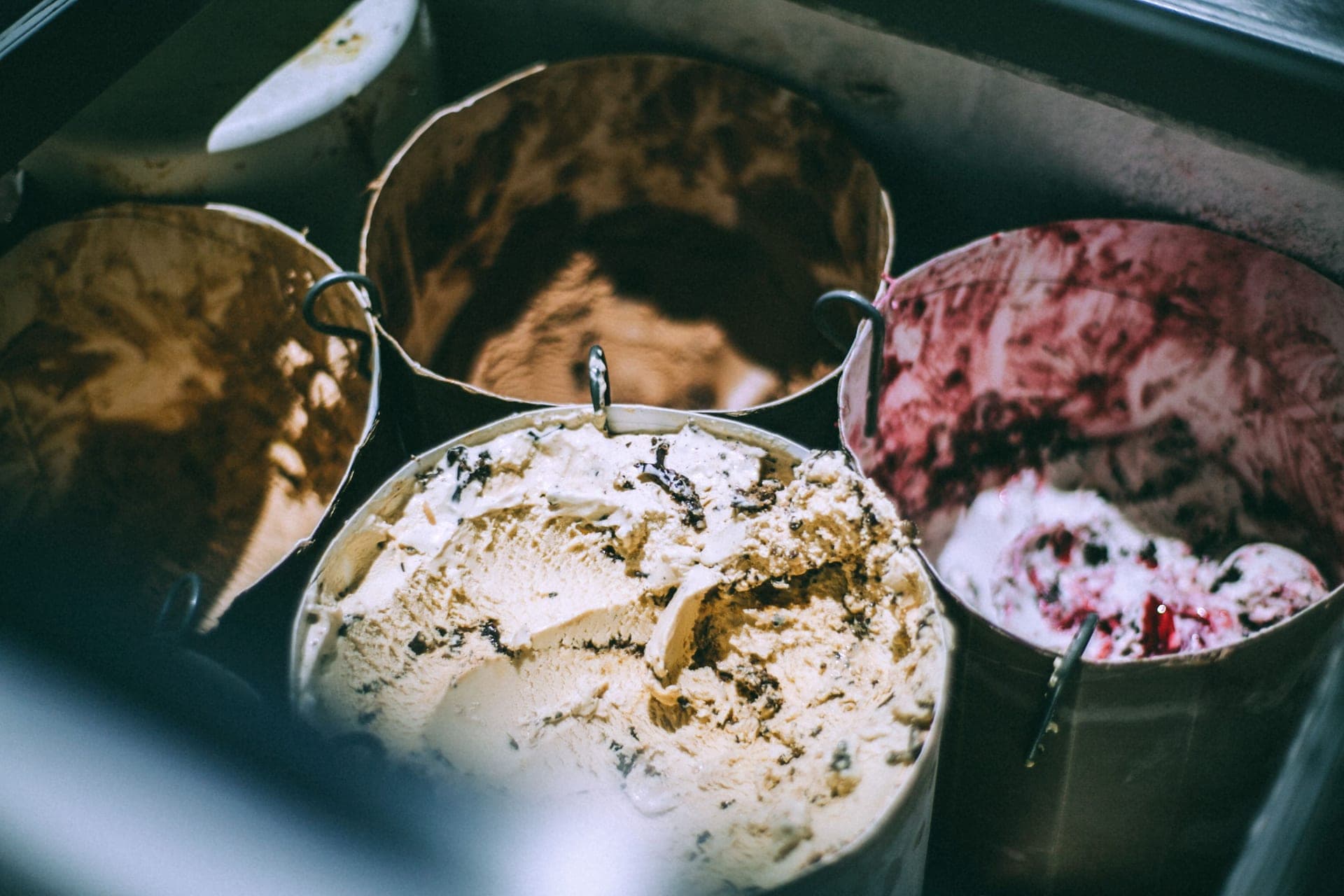
Steel buckets of ice cream in several flavors, seen from above

How we pick

We do not test ice cream makers in a kitchen of our own. Every pick here is an editorial synthesis of published hands-on testing by named reviewers plus manufacturer specification data, cited on this page. Product photos are representative stock images of the machine type, not the specific model. Read the full methodology.

DisclosureFreeze & Fold is a participant in the Amazon Services LLC Associates Program. If you buy through a link on this page we may earn a commission at no extra cost to you. Prices and availability change constantly, so we send you to Amazon to see the current price rather than printing one here. Full disclosure.

Quick picks

Ranked, with the tradeoff named. Tap any row to jump to the full write-up.

#ProductBest forScorePrice
1
Steel buckets of ice cream in several flavors, seen from above
Immergood 6 qt Hand CrankStainless, 6 qt, no motor at all. Built to be handed down.
Genuine hand cranking6.8
2
Steel buckets of ice cream in several flavors, seen from above
Nostalgia ICMP600WDReal wood bucket, 6 qt aluminum canister, 50 W motor doing the work.
The look, with a motor7.0
3
Steel buckets of ice cream in several flavors, seen from above
Hamilton Beach 68330N4 qt, 80 W, stops itself in 20-40 minutes. No romance, no complaints.
The practical bucket machine7.6

Be honest with yourself about which of two things you want. If you want the experience — a porch, a wooden bucket, children arguing over whose turn it is to crank — buy the Immergood hand-crank machine and enjoy it. If you want four to six quarts of ice cream with the least effort, buy the Hamilton Beach 68330N, let an 80-watt motor do the cranking, and spend the difference on cream.

Both are good purchases. They are just not the same purchase, and the marketing in this corner of the category deliberately blurs them.

The mechanism, and why it still holds up

A metal canister of base sits inside a bucket. You pack the gap with layers of ice and rock salt, which produces a brine far colder than ice water alone, and then the canister or a dasher inside it turns. Nothing about this is primitive — brine freezing is genuinely effective, which is why it is the only mechanism that scales to six quarts at a domestic price.

The result comes out soft, closer to soft serve than hard-pack, and wants a few hours in the freezer to harden properly. That is not a defect; it is how this style of machine has always worked.

What cranking actually feels like

Twenty to forty minutes of steady turning, getting noticeably harder as the mixture thickens, which is exactly when arms tire. With several people taking turns it is genuinely fun. Alone, it is a chore you will do once. Immergood sells the same machine with an electric drive and a cordless-drill adapter precisely because that arithmetic catches people out.

What bucket machines are genuinely better at

Three things, and they are not sentimental.

  • Volume for money. Four to six quarts in one batch, for less than most 1.5-quart countertop machines. Nothing else in the category comes close per quart.
  • No freezer real estate. No gel bowl living on a shelf, no pint frozen overnight. The machine stores dry, and the cold comes from ice you buy on the day.
  • No planning. Unusually, these are the only cheap machines that do not require 16 to 24 hours of notice. Buy ice, make ice cream. The tradeoff is that you have to buy ice.

The costs that are easy to miss

Consumables. Ice and rock salt for every batch, in larger quantities for a 6-quart machine than a 4-quart one. Cheap per quart; not free, and not always to hand.

Mess. Salt water sloshing in a bucket that has to be drained. This is a sink job or, better, an outdoor job. It is the main reason these machines end up being used two or three times a year rather than weekly.

Storage. A 6-quart bucket is a bulky object. Wooden buckets also want drying properly after use or the wood suffers.

Ingredients. Six quarts of base is a large grocery order and it is the dominant cost of a big batch, far above ice, salt or the machine. See what homemade ice cream actually costs for the arithmetic.

A note on the evidence here

We are transparent about what we do not have. None of the machines on this page has been tested by the reviewers we cite elsewhere — America's Test Kitchen's June 2026 equipment review covered canister and self-refrigerating machines, not buckets, and neither Ice Cream Science nor Dream Scoops publishes bucket-machine testing we could read.

So the specifications here are the manufacturers' own, labeled as such, and the assessments are about mechanism and practicality rather than measured output. If you want a machine whose ice cream has been independently evaluated, that argues for a countertop machine from the main roundup. We would rather say that plainly than dress up an opinion as a test result. How we pick explains the standard.

Wood bucket or plastic?

Purely aesthetic as far as the ice cream is concerned — the cold comes from the brine, not the bucket. Wood looks the part and is the reason many people buy these at all; Nostalgia builds the ICMP600WD with real wood slats over a plastic insert, which is a sensible compromise for cleaning. Plastic is lighter, cheaper and does not care if you leave it wet.

Who should skip these

Anyone who wants ice cream on a Tuesday. Packing a bucket with ice for two scoops is not a reasonable trade, and the honest machine for a weeknight pint is a canister machine from the freezer-bowl roundup or a compressor machine if you will not plan ahead.

Also anyone buying for one annual event. For a single reunion, borrowing or renting beats owning six quarts of bucket that lives in the garage for eleven months. And if the real appeal is doing something hands-on with children, try ice cream in a bag first — it costs a sandwich bag, it works, and it tells you whether the crank would actually get used.
The picks in full

Steel buckets of ice cream in several flavors, seen from above

#1 Genuine hand crankingHand crank

Immergood 6 qt Hand Crank

A stainless hand-crank machine built to be handed down. The only one here with no motor at all, and the only one where the churning is the activity.

Spec sheet

TypeHand crank, ice and salt
Capacity6 qt
Pre-freezeNone, you pack ice and rock salt
PowerNone, you are the motor
BuildStainless steel, leakproof tub
Also sold asElectric and cordless-drill driven versions

What it gets right

  • Stainless construction throughout, sold as a keep-forever machine
  • Cranking is the point: the one machine children actually want to help with
  • No motor means nothing electrical to fail
  • The same platform is sold with an electric or cordless-drill drive if arms give out

What it costs you

  • You crank for 20 to 40 minutes. That is real work, not a charming detail
  • The most expensive way to buy 6 quarts of capacity
  • Ice and rock salt every batch, the same as any bucket machine
  • No independent test data from any source we could read

Who should skip this

Nobody in the house wants to crank. It is a genuinely physical machine and that is the entire proposition.

Our score6.8/10

Texture
7/10
Speed
4/10
Capacity
10/10
Ease
3/10
Value
5/10
Footprint
3/10

What these six numbers mean

Steel buckets of ice cream in several flavors, seen from above

#2 The look, with a motorIce-and-salt bucket

Nostalgia ICMP600WD

Six quarts in a real wood bucket. Bought for the occasion as much as for the ice cream, and honest about it.

Spec sheet

TypeIce-and-salt bucket, electric motor
Capacity6 qt aluminum canister
Pre-freezeNone, you pack ice and rock salt
Power50 W, 120 V / 60 Hz
BucketReal wood slats over a plastic insert
ExtrasLocking motor mount, clear lid, carry handle

What it gets right

  • 6 qt is the largest batch on this site, genuinely a party machine
  • The wood bucket is the point for a lot of buyers, and it looks the part
  • Aluminum canister chills faster than plastic and goes straight to the freezer to harden
  • 50 W motor: cheap to run, simple to service

What it costs you

  • Ice and rock salt for every batch, in larger quantities than a 4 qt machine
  • No independent test data from any source we could read
  • Big to store, and the wood wants drying properly after use
  • Six quarts of base is a lot of cream to commit to at once

Who should skip this

You are making ice cream for one household on a Tuesday. This is for the reunion, not the routine.

Our score7.0/10

Texture
6/10
Speed
6/10
Capacity
10/10
Ease
4/10
Value
8/10
Footprint
2/10

What these six numbers mean

Steel buckets of ice cream in several flavors, seen from above

#3 The practical bucket machineIce-and-salt bucket

Hamilton Beach 68330N

Four quarts in one go for less than most 1.5-quart machines. You supply ice, rock salt and a bit of mess.

Spec sheet

TypeIce-and-salt bucket, electric motor
Capacity4 qt
Pre-freezeNone, you pack ice and rock salt
Churn time20-40 minutes, stops itself
Power80 W
ConsumablesIce and rock salt every batch

What it gets right

  • 4 qt in a single batch, more than two of the compressor machines combined
  • No freezer space needed for a bowl and no overnight planning
  • The motor stops on its own when the mixture is stiff
  • Cheapest cost per quart of any machine on this site

What it costs you

  • You buy ice and rock salt for every single batch
  • Salt water in the bucket makes the process messy and best done near a sink or outdoors
  • Churns 20 to 40 minutes and still needs a hardening period in the freezer
  • Bulky to store for a machine used a few times a year

Who should skip this

You want a weeknight pint. Packing a bucket with ice for two scoops is not a reasonable trade.

Our score7.6/10

Texture
7/10
Speed
7/10
Capacity
10/10
Ease
5/10
Value
9/10
Footprint
4/10

What these six numbers mean

FAQ

Questions people actually ask

Are hand-crank ice cream makers worth it?

They are if the cranking is part of what you want. Twenty to forty minutes of steady turning is genuinely enjoyable with several people taking turns, and it is a chore alone. If what you want is four to six quarts of ice cream with minimum effort, an electric bucket machine does the same job for less money.

How long do you crank a hand-crank ice cream maker?

Typically 20 to 40 minutes, getting harder as the mixture thickens. The electric bucket machines run for the same duration, which is why the Hamilton Beach 68330N stops itself automatically when the mix is stiff. The result comes out soft and wants a few hours in the freezer to harden for scooping.

Why do bucket ice cream makers need rock salt?

Salt lowers the freezing point of the surrounding ice water, creating a brine far colder than plain ice. That extra cold is what freezes the mixture inside the canister. Plain ice alone sits at 32 F, which is not cold enough to freeze an ice cream base in a useful amount of time.

Does a wooden bucket make better ice cream than plastic?

No. The cold comes from the ice and salt brine, not from the bucket, so the material is purely aesthetic. Wood looks the part and is the reason many people buy these; plastic is lighter, cheaper and more forgiving about being left wet.

Have these machines been independently tested?

Not by the reviewers we cite. America's Test Kitchen's June 2026 equipment review covered canister and self-refrigerating machines rather than buckets, and we could not find published bucket-machine testing from Ice Cream Science or Dream Scoops. The specifications on this page are the manufacturers' own and our assessments are about mechanism and practicality, not measured output.

Sources

Read next

More in this section

Ice Cream Makers