Buy it if a compatible KitchenAid stand mixer is already on your counter. Do not buy the mixer to get it. On its own terms this is one of the best-value routes to 2 quarts of ice cream capacity available, because the expensive part — a powerful motor — is something you already paid for.
The specification
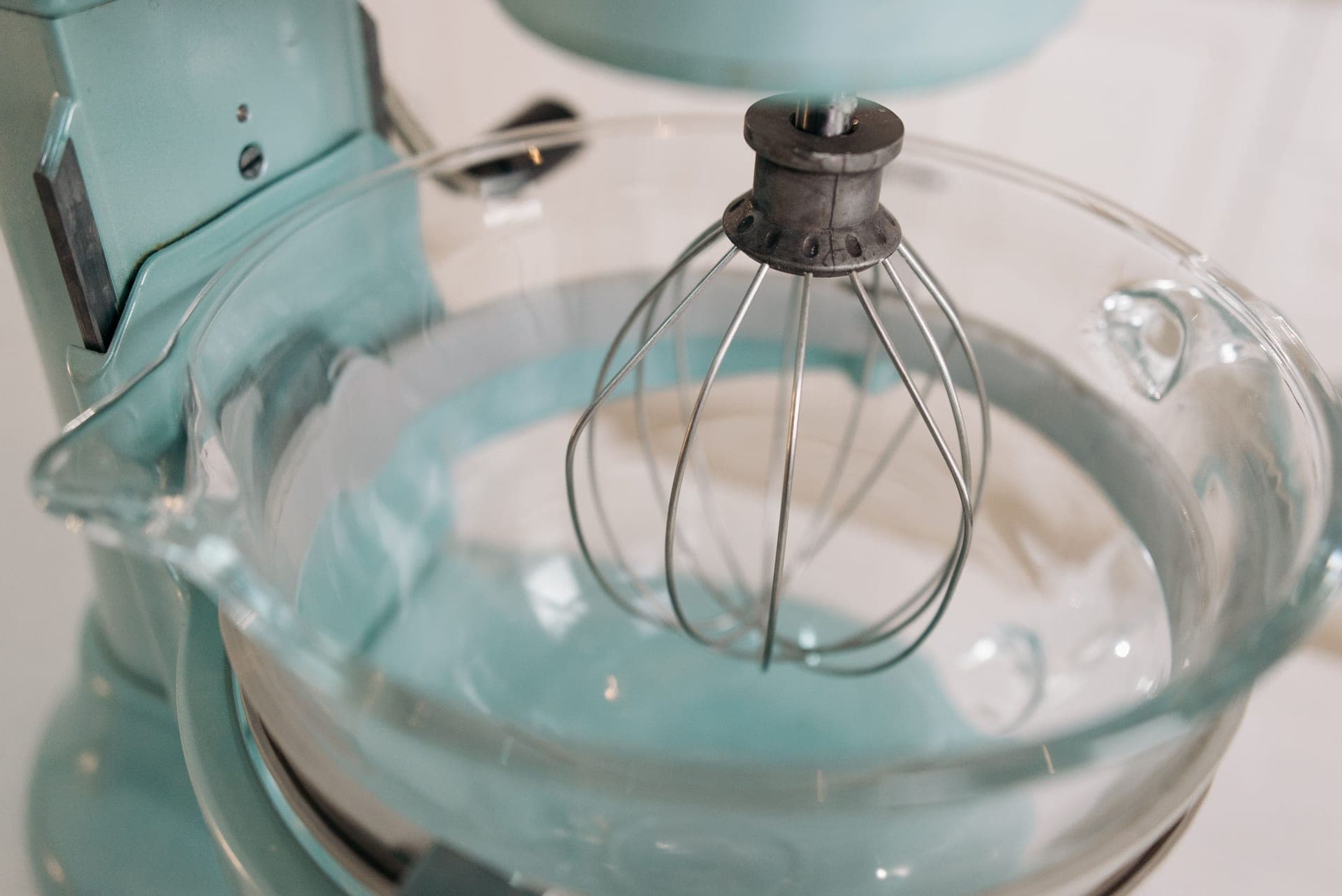
Per KitchenAid: 2 quarts at soft-serve consistency in 20 to 30 minutes. The bowl must be frozen for at least 24 hours before use. 11 inches wide by 8.5 deep by 7 high. A double-wall bowl with a dasher that spreads, scrapes and mixes. Drive assembly and dasher are dishwasher safe; the bowl is hand-wash only.
Compatibility: it fits all models except the Artisan Mini 3.5 quart, and some tilt-head models require the adapter ring to fit properly.
The two things to check before ordering
1. Your mixer model. KitchenAid excludes the Artisan Mini 3.5 quart outright, and some tilt-head mixers need the adapter ring. Confirm against KitchenAid's own compatibility information for your specific model before buying — this is the most common problem people hit with this accessory, and it is entirely avoidable.
2. Your freezer shelf. The bowl is 11 inches across and wants 24 hours in the freezer. It is a bigger permanent freezer commitment than a 1.5-quart canister bowl.
Why this is good value
A standalone canister machine is a gel bowl plus a motor plus a housing. You are buying all three. The attachment is a gel bowl plus a dasher plus a drive, because the motor is already in your kitchen — and it is a much better motor than the one inside a $70 ice cream maker.
That has a practical consequence beyond price: a stand mixer will not stall on a stiff mixture the way a 60-watt canister motor can. If you make dense, low-overrun bases or add substantial mix-ins, the attachment handles it more confidently than a cheap standalone machine.
America's Test Kitchen's June 2026 equipment review covered canister and self-refrigerating machines, and the KICA0WH is the accessory equivalent of the canister category — same mechanism, borrowed motor.
The 24-hour freeze, which is longer than most
Worth flagging because it is a genuine difference. Most canister bowls specify 16 to 24 hours; KitchenAid specifies at least 24. A bigger bowl holding more gel takes longer to reach temperature all the way through, and a bowl that is cold on the outside and soft in the middle will not freeze a batch properly.
The same workaround applies as with any canister machine, and it is the single most useful habit here: keep the bowl in the freezer permanently. Then there is no wait at all.
What “2 quarts at soft-serve consistency” means
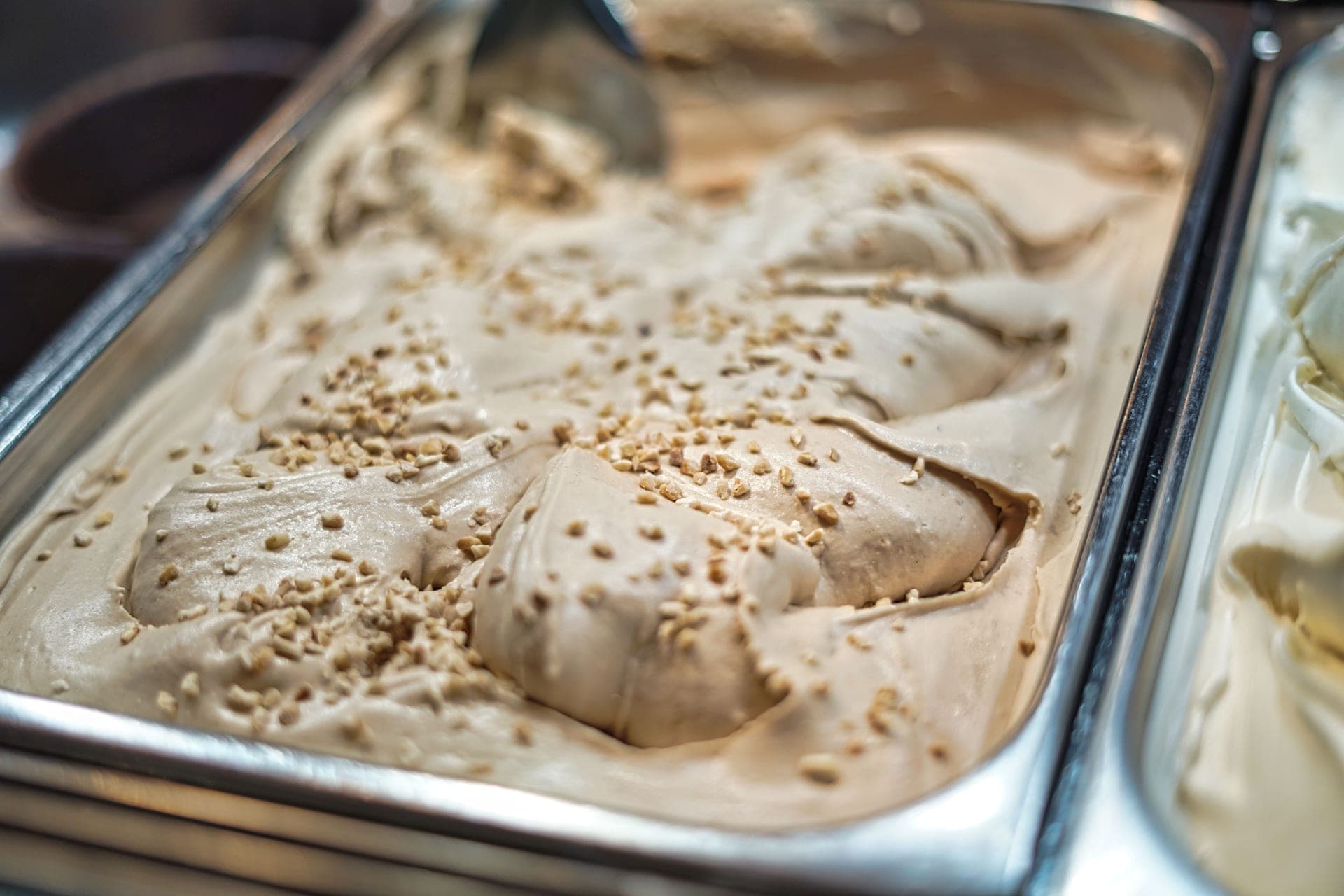
KitchenAid's own phrasing is precise and worth reading properly. The 2-quart figure is the volume ofsoft ice cream you get at the end of the churn. That is not 2 quarts of hard-pack: you transfer it to a container and put it in the freezer for a few hours to firm up, and it settles somewhat as it hardens.
Every machine in this category behaves this way; KitchenAid is just unusually honest about the wording. How long to churn covers what soft-serve consistency looks like.
The drawbacks
- It ties up your mixer. For 20 to 30 minutes plus setup, the mixer is doing this and nothing else. Not a problem unless you were baking at the same time.
- Hand-wash only for the bowl. A sealed gel bowl in a dishwasher is a ruined gel bowl.
- Freezer space. An 11-inch bowl is a real commitment on a full shelf.
- Worthless without the right mixer. The whole value proposition collapses if the compatibility check fails.
Verdict
The best-value 2 quarts on the site, conditional on owning the mixer. Check the compatibility, keep the bowl in the freezer, and you have a machine as capable as a standalone canister machine with a much stronger motor and no extra appliance to store.
If you do not own a KitchenAid, buy the Cuisinart ICE-21P1 instead — and if you were considering buying a mixer in order to buy this, the comparison is set out in attachment versus a standalone machine.