Skip to content
Freeze & Fold

Recipes6 min read

Ice cream in a bag

A sandwich bag, ice, salt and ten minutes of shaking. It genuinely works, it costs almost nothing, and it is the best way to find out whether you want a machine.

By Janet H.Published Last reviewed
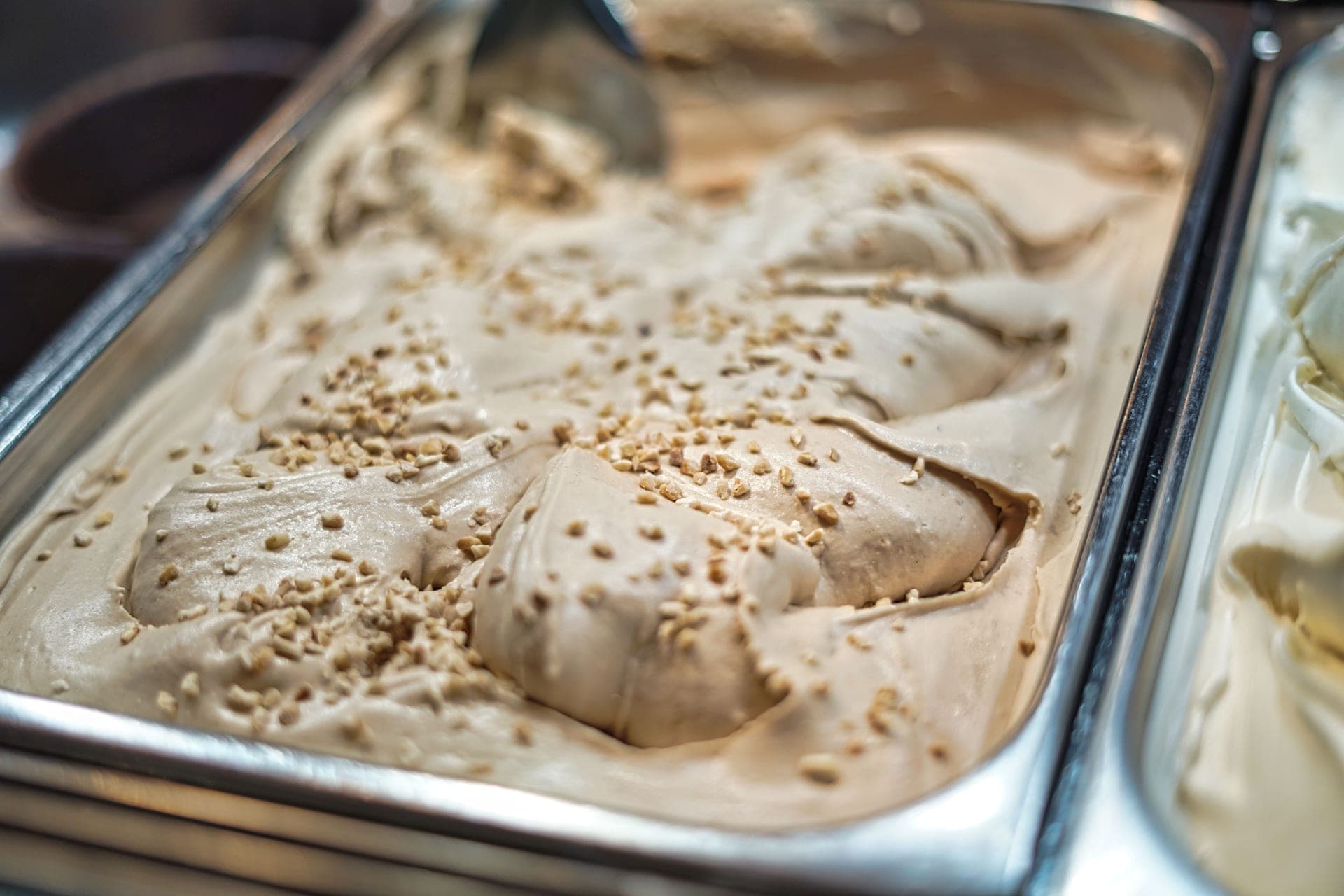
Creamy hazelnut gelato in a metal container, ready to serve

How we pick

We do not test ice cream makers in a kitchen of our own. Every pick here is an editorial synthesis of published hands-on testing by named reviewers plus manufacturer specification data, cited on this page. Product photos are representative stock images of the machine type, not the specific model. Read the full methodology.

DisclosureFreeze & Fold is a participant in the Amazon Services LLC Associates Program. If you buy through a link on this page we may earn a commission at no extra cost to you. Prices and availability change constantly, so we send you to Amazon to see the current price rather than printing one here. Full disclosure.

This is the cheapest genuine ice cream on the site, it takes about fifteen minutes from start to spoon, and it works. It is also the single best thing to do with children on a hot afternoon, and the most honest way to find out whether you actually want to own an ice cream maker.

Why the salt is doing everything

Plain ice sits at 32 F, which is not cold enough to freeze cream. Salt dissolves into the thin film of meltwater on the ice and lowers that water's freezing point, so the ice keeps melting — and melting absorbs heat. The resulting brine can reach well below 0 F, which is more than cold enough. Without salt you get a bag of cold water and a disappointed child. It is exactly the same principle that bucket ice cream makers use, and the reason they need rock salt every batch.

Why shaking replaces a paddle

An ice cream maker does two things: it freezes the mixture and it keeps it moving so ice crystals stay small. Shaking is the second thing, done by hand. It is less efficient than a paddle, which is why the result is icier than a churned batch, and it is genuinely effective.

Stop shaking for two minutes in the middle and you will feel the difference: the mixture freezes onto the inside of the bag in a solid layer instead of thickening evenly. Continuous motion is the whole technique.

Protect your hands, seriously

The brine gets cold enough to hurt and, with sustained contact, cold enough to cause real damage. Wrap the outer bag in a dish towel, or wear gloves. With children, hand the bag round every minute or two — which also keeps everyone involved rather than watching one person do the work.

The three things that go wrong

It stayed liquid. Not enough salt, or not enough shaking. Add another couple of tablespoons of salt and keep going. Also check the ice: if it has mostly melted, the bath is spent and needs fresh ice.

It tastes salty. Brine got into the inner bag, through a bad seal or because you opened it without rinsing. Rinse the small bag under cold water before opening it, every time.

It is icy rather than creamy. Expected, to a degree — hand shaking cannot match a paddle. Using all heavy cream rather than half milk helps noticeably, because more fat means smaller crystals.

Variations that work in a bag

  • Chocolate: a teaspoon of cocoa powder whisked into the sugar before adding the cream.
  • Strawberry: a tablespoon of mashed strawberry, well crushed. Do not add whole pieces.
  • Cookies and cream: crush a cookie into the bag before you start shaking.
  • Dairy-free: full-fat canned coconut milk works well. Carton plant milks do not — too much water, no fat.

If everyone wants to do it again next weekend

That is the signal to buy a machine, and it is worth taking seriously. A canister machine does the same job in about twenty minutes with no shaking and makes a quart instead of a cup — America's Test Kitchen's best canister-style pick was $70 in June 2026.

If the appeal was the hands-on part rather than the ice cream, the machines that keep that feeling are the bucket and hand-crank machines, which use exactly this ice-and-salt principle at four to six quarts. And if you want more no-machine options first, ice cream without a machine covers the no-churn route, which makes a much larger and smoother batch with a mixer you probably already own.
The recipe

Ice cream in a bag

Prep5 min
CookNone
Total15 min
Makes1 generous serving per bag

Ingredients

  • 1/2 cup heavy cream (or half cream, half whole milk)
  • 1 tablespoon granulated sugar
  • 1/4 teaspoon vanilla extract
  • 1 pint-size zip-top bag (the inner bag)
  • 1 gallon-size zip-top freezer bag (the outer bag)
  • 3 cups ice cubes
  • 1/3 cup rock salt or coarse kosher salt

Method

  1. 01

    Mix the base in the small bag

    Combine the cream, sugar and vanilla in the pint-size bag. Squeeze out as much air as you can and seal it firmly. Then check the seal again: a bag that opens mid-shake ends the activity immediately.

  2. 02

    Build the ice bath

    Put the ice into the gallon bag and add the salt, distributing it through the ice rather than dumping it in one place.

  3. 03

    Nest and seal

    Put the sealed small bag inside the large bag, surrounded by ice, and seal the outer bag with as little air inside as possible.

  4. 04

    Shake for 8 to 10 minutes

    Shake and squeeze continuously. Wrap the bag in a dish towel or wear gloves, because the brine gets well below freezing and bare hands start hurting within two minutes. This is the part children take turns at.

  5. 05

    Check and finish

    After 8 minutes the mixture should have the texture of soft serve. If it is still liquid, shake for another 2 to 3 minutes. Rinse the outside of the small bag under cold water before opening it so no salt water gets in.

  6. 06

    Eat immediately

    Eat it straight out of the bag with a spoon. This does not keep: it has almost no air in it and will freeze into a solid lump if you put it away.

By machine

No machine
That is the entire point. Two bags, ice, salt and a pair of hands.
If you enjoyed this
A canister machine does the same job in about 20 minutes with no shaking, and makes a quart instead of a cup.

Our picks

What to buy, given all that

Placed here rather than at the top, because the recommendation only makes sense after the reasoning above.

  • Cream being whisked by hand in a glass bowl

    The obvious next step

    Cuisinart ICE-21P1

    1.5 qt for $70 per ATK June 2026 if the bag version made you want more of it.

    TypeFreezer bowl
    Capacity1.5 qt
    Pre-freeze16-24 hrs
  • Steel buckets of ice cream in several flavors, seen from above

    The same principle, bigger

    Hamilton Beach 68330N

    4 qt, ice and rock salt, 80 W motor. Exactly this method with a machine turning the canister.

    TypeIce-and-salt bucket
    Capacity4 qt
    Pre-freezeNone

FAQ

Questions people actually ask

Why do you need salt to make ice cream in a bag?

Plain ice sits at 32 F, which is not cold enough to freeze cream. Salt dissolves into the meltwater on the ice and lowers its freezing point, so the ice keeps melting and melting absorbs heat. The resulting brine can get well below 0 F. Without salt you end up with a bag of cold water.

How long do you shake ice cream in a bag?

About 8 to 10 minutes of continuous shaking and squeezing. Stop for a couple of minutes in the middle and the mixture freezes onto the inside of the bag in a solid layer rather than thickening evenly, so continuous motion is the whole technique.

Can you use table salt instead of rock salt?

It works, though rock salt or coarse kosher salt is better because the larger crystals dissolve more gradually and keep the brine cold for longer. Whichever you use, distribute it through the ice rather than dumping it in one place.

Why does my bag ice cream taste salty?

Brine got into the inner bag, either through a poor seal or because it was opened without rinsing. Squeeze the air out and seal the inner bag firmly, check the seal before you start, and rinse the outside of the small bag under cold water before opening it.

Does ice cream in a bag actually taste good?

Yes, though it is icier than a churned batch because hand shaking cannot agitate as efficiently as a paddle. Using all heavy cream rather than half milk makes a noticeable difference, since more fat means smaller ice crystals. Eat it straight from the bag: it has almost no air in it and will freeze into a solid lump if stored.

Read next

More in this section

Recipes