If you want one tub of ice cream for a table, buy the churning machine. If you want individual pints on demand from a stocked freezer, or you make high-protein ice cream, buy the Creami. That is the decision, and it is about your household rather than about which machine is better.
They are not the same appliance
A traditional ice cream maker freezes a liquid base while a paddle beats air into it. Texture is created during freezing: keep the mixture moving, freeze it fast, and the ice crystals stay small.
The Ninja CREAMi does the opposite. You freeze the base solid first — crystals grow as large as they like — then an 800-watt blade planes the block into shavings fine enough to read as smooth. Texture is created mechanically, after freezing.
Everything below follows from that single difference.
The misconception that costs people money
The Creami does not save you any planning. Ninja's own instruction is to freeze the pint overnight. A Cuisinart freezer bowl needs 16 to 24 hours. Both machines require you to decide about dessert roughly a day in advance. People buy a CREAMi expecting to escape that wait and are then surprised. If removing the wait is the goal, neither machine does it — only a compressor machine does.
Side by side
| Spec | 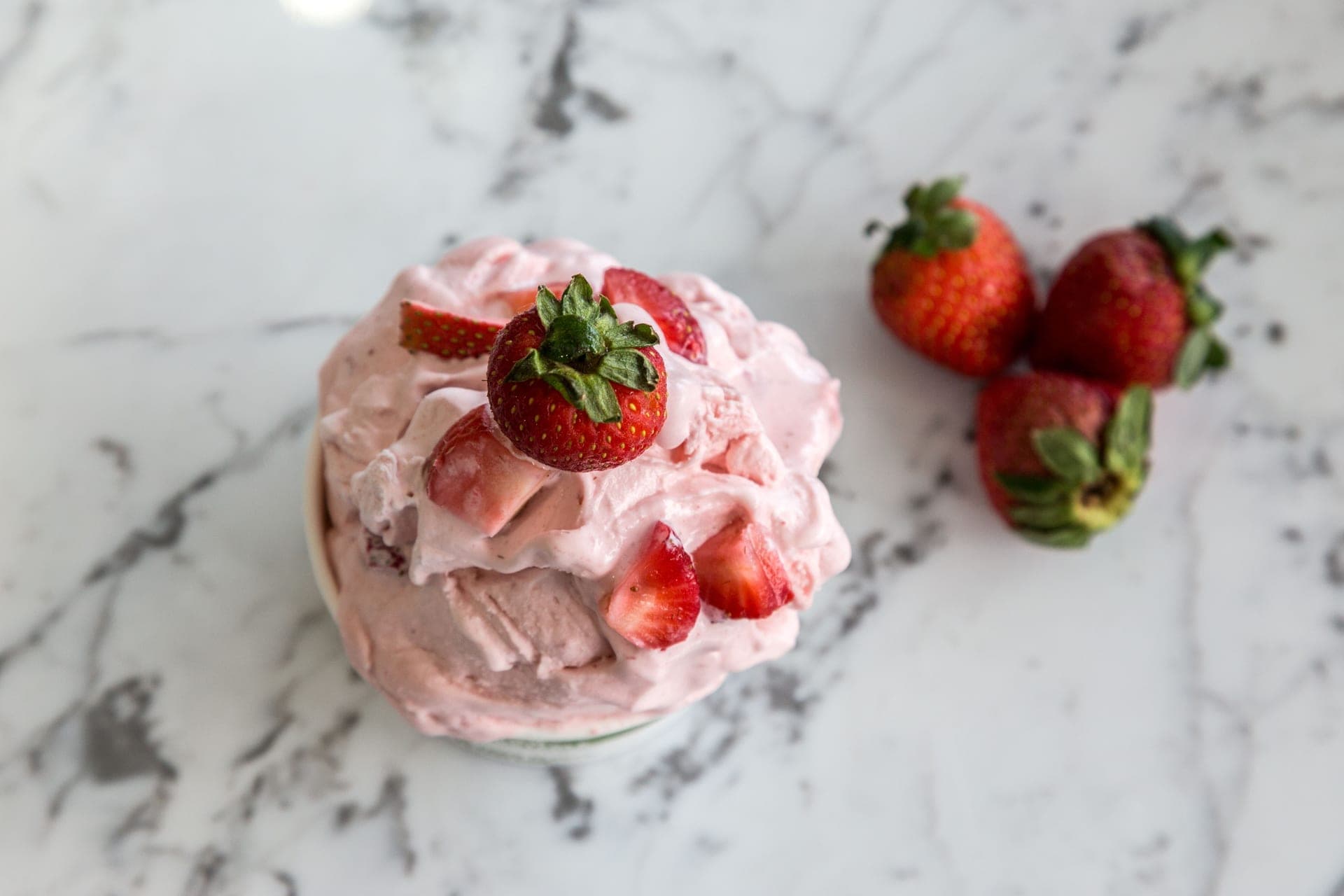 | 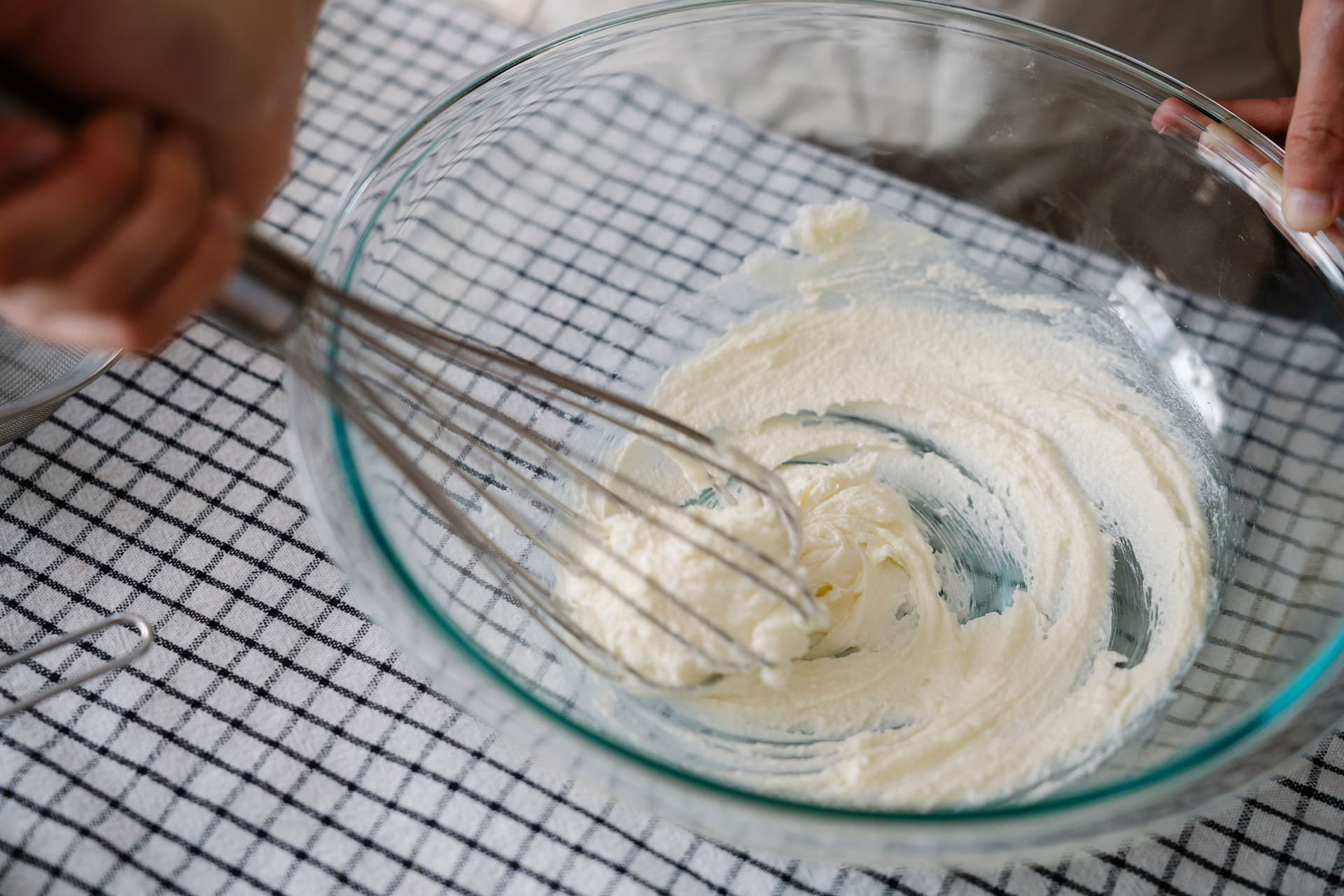 |
|---|---|---|
| Mechanism | Shaves a frozen block | Churns a liquid |
| Per batch | 16 oz (0.5 qt per ATK) | 1.5 qt rated |
| Lead time | Freeze pint overnight | Freeze bowl 16-24 hrs |
| Active time | About 2 minutes | 15-20 min (Dream Scoops) |
| Back-to-back | Yes, if pints are frozen | No, bowl must refreeze |
| Power | 800 W | 60 W |
| Height | 18.39" | 11.25" |
| Lean / protein bases | Handles them well | Often stalls or goes gritty |
| ATK June 2026 | Recommended with reservations, $207 | Best canister-style, $70 |
| Price |
The capacity gap is the whole argument
Sixteen ounces against 1.5 quarts is a factor of three, and America's Test Kitchen records the CREAMi's working capacity as 0.5 quart. One spin is one or two servings. A Cuisinart batch is four to six.
The CREAMi's answer is to prepare several pints in advance, which genuinely works — and requires buying extra pints and committing that much freezer space. For one or two people, several small pints is arguably better than one tub, because nothing sits around growing ice crystals. For four people on a Saturday, it is four pints and four spins.
Where the Creami is genuinely better
High-protein, low-sugar and low-fat bases. Protein powder thickens a base before churning begins, which a 60-watt canister motor struggles to move, and lean recipes lack the fat and sugar that keep churned texture smooth. A spin machine is indifferent: it was always going to cut a solid block.
This is not a marginal advantage, it is why the protein ice cream community standardized on the platform. If that is your use case, the comparison is over — see best machines for protein ice cream.
Where the churning machine is genuinely better
Volume for money. $70 against $207 in ATK's June 2026 listings, for three times the output. That is not a close call on value.
A shared tub. One container, one flavor, everybody served at once. Obvious, and it is what most people picture when they imagine making ice cream.
Countertop practicality. 11.25 inches tall against 18.39. The Cuisinart fits under a wall cabinet; the CREAMi generally does not.
Rich, classic ice cream. A churned custard base with properly incorporated air is what traditional ice cream is, and a machine designed for it does it best. Ice Cream Science rates canister machines' output as smooth and creamy.
On texture, honestly
Neither is clearly better, they are different. Churned ice cream carries more air, which makes it lighter and scoopable straight from a warm-ish freezer. Spun ice cream carries less air, so it is denser and more intense — closer to gelato in that respect. Which you prefer is a preference, and overrun explained covers why.
The verdict, by household
- Family of four, occasional dessert: churning machine. Cheaper, more of it, fits in the kitchen.
- One or two people, several times a week: CREAMi. The pint workflow suits this pattern better than a tub does.
- High-protein or low-sugar bases: CREAMi, without much argument.
- Wants dessert tonight, decided tonight: neither. A compressor machine is the only answer.
Still undecided? How to choose an ice cream maker works through it as a structured decision.