For most households, the Cuisinart ICE-21P1 is the right frozen yogurt machine — the same $70 machine that tops our main roundup. The reason to read further is that frozen yogurt is not simply ice cream with yogurt substituted in, and understanding why will save you a disappointing first batch.
Why frozen yogurt behaves differently in a machine
Ice cream is roughly 10 to 18 percent butterfat, and that fat is what keeps ice crystals small and the texture smooth. Yogurt — especially the low-fat and Greek varieties most people reach for — has a fraction of that, and much more water.
More water with less fat to interrupt it means bigger ice crystals, which is the textbook recipe for an icy result. Frozen yogurt also freezes harder in the tub afterwards, for the same reason. None of this makes it difficult; it just means speed matters more. The faster a base freezes, the smaller the crystals, which is why the mechanism you choose counts for more here than it does with a fat-rich ice cream base.
The single best fix
Use full-fat yogurt and do not skip the sugar. Sugar is not only sweetness; it lowers the freezing point, which keeps the mixture softer and the crystals smaller. A low-fat, low-sugar frozen yogurt is the iciest thing you can put in an ice cream maker, and no machine on this page will rescue it. More on the mechanism in why homemade ice cream is icy.
The one machine that makes the yogurt too
The Whynter ICM-220CGY is unusual: alongside its 2.1-quart compressor it has a yogurt incubator that holds 104 to 110 F, per Whynter's specification. You culture the yogurt in the bowl, then switch the same machine over to churn it frozen. No transferring, no second appliance, no waiting for the bowl to be free.
Whether that is worth the width — at 16.75 inches it is the widest compressor we cover — depends entirely on whether you were ever going to make yogurt from scratch. If you buy your yogurt, this is a broader, less independently reviewed version of the ICM-201SB and you should buy that instead. Note that the ICM-220CGY was not among the machines America's Test Kitchen rated, so the figures here are the manufacturer's and there is no third-party verdict on its output.
Why the Creami is unusually good at this
A churning machine has to keep a low-fat, high-water base moving while freezing it, and thick Greek yogurt resists that. The Ninja CREAMi does not care: you freeze the base into a solid block and the blade shaves it. Stiffness is not an obstacle to a machine that was going to shave a solid block anyway.
That is the same reason the CREAMi family became the default for protein ice cream. The tradeoff is unchanged: 16 ounces per spin, a pint frozen overnight, one serving at a time. For a single person eating frozen yogurt several times a week, that workflow is arguably better than a tub.
Getting the base right
Three rules that matter more for frozen yogurt than for ice cream.
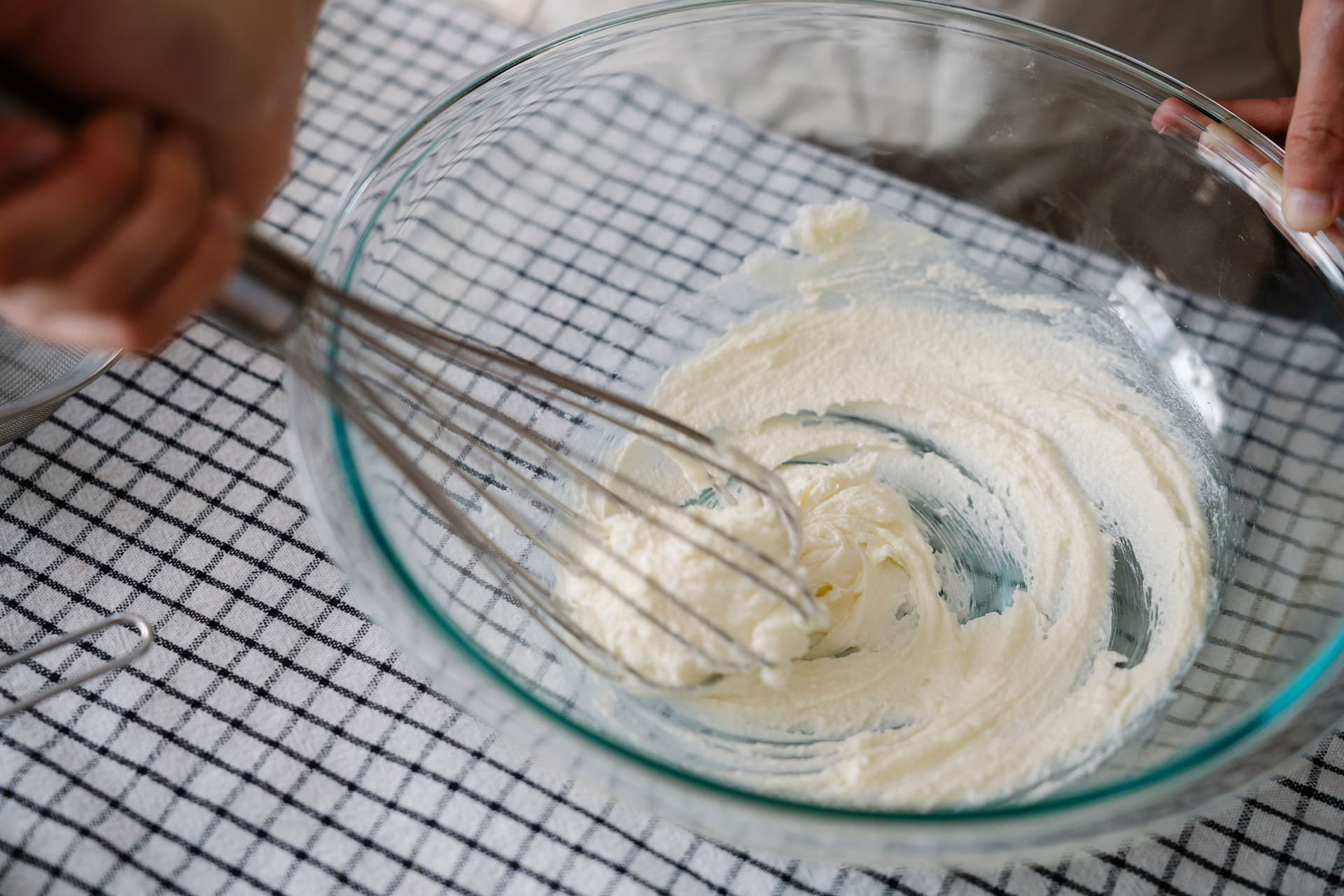
- Strain it, or start with Greek. Less free water means less ice. Straining plain yogurt through cheesecloth for a few hours makes a visible difference.
- Chill the base hard before churning. A warm base uses up the freezer bowl's cold budget before it can freeze anything, which is doubly punishing on a low-fat mix.
- Eat it sooner. Frozen yogurt is at its best within a day or two. Commercial frozen yogurt survives longer because of stabilizers you do not have. Storing homemade ice cream covers how to slow the decline.
The working recipe is at frozen yogurt in an ice cream maker.
Who should skip these
If you want frozen yogurt because it sounds lighter than ice cream, check the sugar first: a typical frozen yogurt recipe is not dramatically lighter than a lean ice cream, because the sugar has to stay in for texture. If your actual goal is a lower-calorie or higher-protein dessert, the CREAMi route and its lite and protein programs is a more honest fit — see CREAMi protein ice cream.
And if you are only going to make frozen yogurt once, do not buy a machine for it. Buy the machine you would buy anyway and make frozen yogurt in it, which is what everyone in practice does.