Soft serve is not a recipe. It is ice cream served at a warmer temperature with more air in it — which means you can make it tonight with whatever machine you already own, by serving the batch straight out of the churn instead of hardening it in the freezer. That single change gets you most of the way, and it costs nothing.
What a dedicated soft-serve machine adds is the swirl, the consistency and the ability to serve a queue of people. Whether that is worth a machine is the rest of this page.
What soft serve actually is
Three variables separate a soft-serve cone from a scoop of the same ice cream.
Temperature. Soft serve is dispensed around 10 to 20 degrees Fahrenheit warmer than hard-scooped ice cream. At that temperature a larger fraction of the water is still unfrozen, so the mixture flows.
Air. Commercial soft-serve machines whip air in continuously as they dispense, which is why a cone is light and holds a shape. The amount of air in a frozen dessert is called overrun, and soft serve runs high on it — see overrun explained.
It was never frozen hard. This is the one people miss. A soft-serve mix goes from liquid to served without ever sitting in a freezer, so the large ice crystals that form during hardening and storage never get the chance. That is why shop soft serve is smoother than a scoop of the same product, and why your own batch is at its smoothest the moment the paddle stops.
The free version, tonight
Churn a normal ice cream base in any machine. When it reaches the consistency of thick whipped cream — the paddle leaving distinct tracks, the motor note dropping — stop and serve immediately. Do not transfer it to the freezer. That is soft serve, at the right temperature, with the air the paddle just put in and no hardening crystals. It will not hold a tall swirl, and it will taste better than anything you scoop out of a tub two days later.
What to look for if you want it reliably
If serving straight from the churn is not enough — because you want a swirl, or you want to serve six people over twenty minutes — these are the specifications that matter, in order.
- A dispensing mechanism. The only way to get an actual swirl. Everything else on this list produces soft ice cream in a bowl.
- Hardness control, or a timer. Soft serve is a stopping point, so a machine that tells you when it has reached one is doing real work.
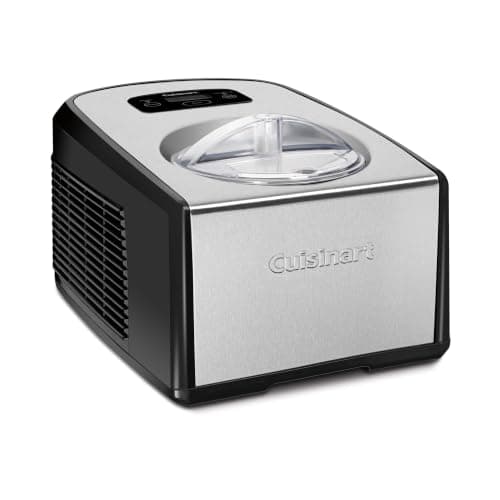
- A hold phase. A compressor machine that keeps cooling after the churn ends lets you serve over several minutes without the batch slumping. The Cuisinart ICE-100 has a 10-minute Keep Cool mode for exactly this.
- Enough base for everyone at once. Soft serve cannot be made ahead, by definition. Capacity is therefore the hard limit on how many people you can serve, which makes what size machine you need the page to read alongside this one.
What does not help: program counts, mix-in dispensers, and anything labelled soft serve that turns out to be a timing preset on a machine with no dispenser.
The three machines, and the honest problems with each
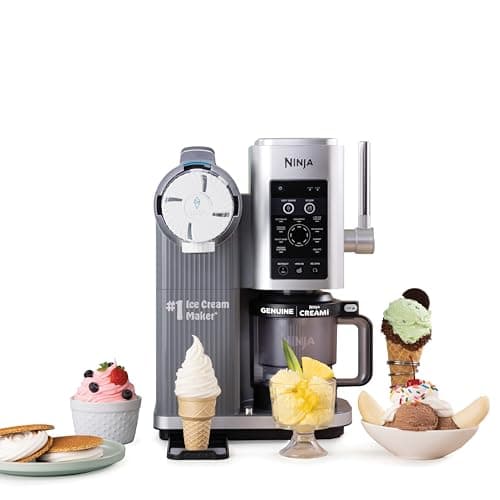
Ninja CREAMi Scoop & Swirl (NC701) is the only countertop machine we cover that genuinely dispenses. Six dedicated soft-serve programs out of thirteen, a dispensing lever, and CreamiFit programs aimed at high-protein and lower-calorie bases. It is also sold as Ninja Swirl by CREAMi, which causes some confusion when shopping.
The problems are real. It is 22.2 pounds and 17.44 inches tall, a permanent counter resident. It is not one of the models America's Test Kitchen rated, so there is no independent verdict on its output. The dispensing mechanism is another assembly to clean, and it must be flushed immediately. And crucially, soft serve is a texture here, not extra capacity: you still get 16 ounces per pint, which is two servings, and the pint has to freeze solid overnight first. Full detail in the Swirl review.
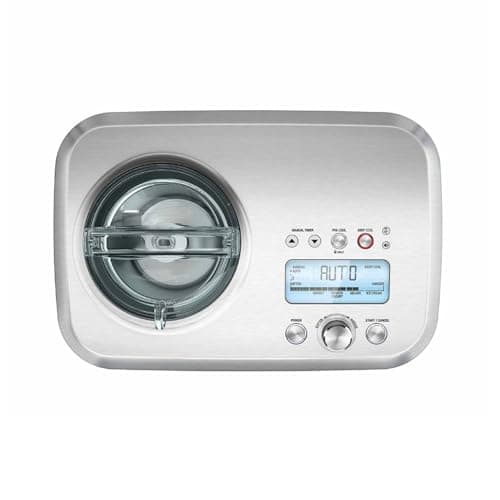
Breville Smart Scoop (BCI600XL) takes the other approach: twelve hardness settings from soft serve to hard scoop, with an audible alert when the target is reached, so the machine decides when the ice cream is done rather than you. ATK recommended it in June 2026. Two things you must weigh: it was $600 in that listing, the most expensive machine recommended anywhere on this site, with a one-year warranty against three years on the Cuisinart ICE-100; and Dream Scoops advises against it, reporting that it took considerably longer to freeze than any other machine they tested and produced coarser, wetter, icier texture. On a soft-serve page that matters less than it would elsewhere, because you are serving immediately rather than storing, but it is not a finding to bury.
Cuisinart ICE-100 is the unglamorous answer. A compressor, so no pre-freeze and nothing to plan; a 60-minute countdown timer so you can stop at a soft consistency deliberately; and the 10-minute Keep Cool phase that holds the batch at serving texture while you fill bowls. No dispenser, so no swirls. $343 per ATK's June 2026 listing, 28 pounds, 16.73 inches deep, and still only 1.5 quarts.
Does the base need changing?
A little, and in the opposite direction from what people assume.
Do not cut the sugar. Sugar depresses the freezing point, so it is what keeps a mixture soft at serving temperature. A low-sugar base makes a firmer dessert, not a softer one, which is the same arithmetic that governs sorbet and frozen yogurt — see frozen yogurt versus ice cream.
Keep the fat. Butterfat coats ice crystals and smooths the texture, and a soft-serve base is one you want smooth rather than lean.
Chill the base thoroughly first. Non-negotiable in any machine: a base going in warm spends the machine's cold on cooling rather than freezing, which gives you a slow freeze and a coarse result. The mechanism is in why homemade ice cream is icy, and the base itself is covered in custard versus Philadelphia base. Start from the no-fail vanilla and simply stop the churn early.
Two things that will not work
Letting hard ice cream melt on the counter. It gets soft, and it is not soft serve. The ice crystals formed during hardening are still there, so what you get is a wet, grainy version of what you started with. Soft serve is smooth specifically because it was never frozen hard.
Expecting a home machine to match a shop. A commercial soft-serve machine runs continuously, holds mix at a precise temperature and aerates as it dispenses. No countertop machine does that, including the ones with a lever. What you can get at home is excellent and it is not identical, and anyone telling you otherwise is selling something.
If soft serve is the main reason you are buying rather than a nice extra, the full ranking is in the soft-serve roundup. And if you are choosing between the CREAMi models rather than between mechanisms, which CREAMi model is the page for it.