Skip to content
Freeze & Fold

Recipes7 min read

Custard vs Philadelphia ice cream base

Every ice cream recipe is one of two things. Knowing which, and why, is the difference between following recipes and understanding them.

By Janet H.Published Last reviewed
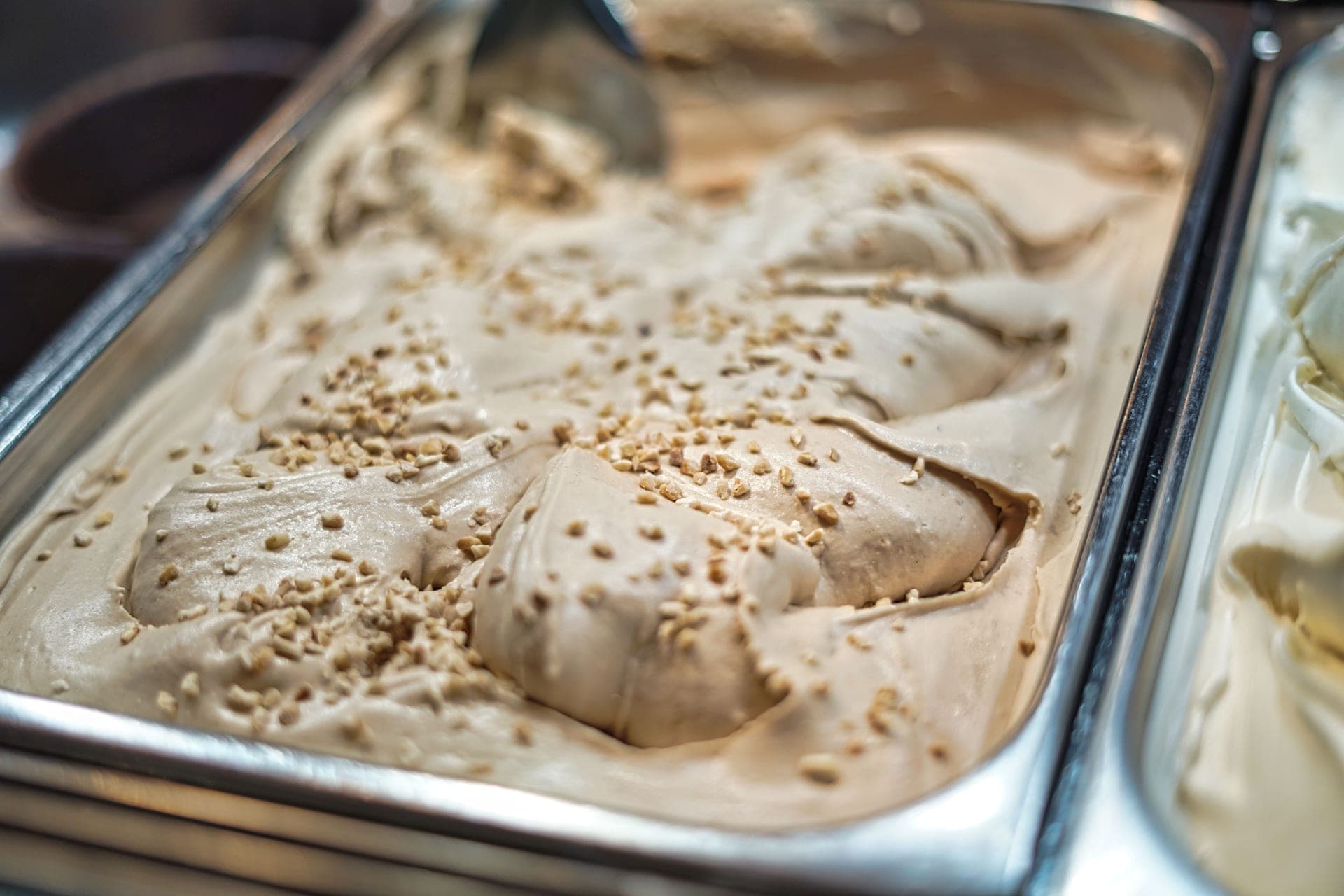
Creamy hazelnut gelato in a metal container, ready to serve

How we pick

We do not test ice cream makers in a kitchen of our own. Every pick here is an editorial synthesis of published hands-on testing by named reviewers plus manufacturer specification data, cited on this page. Product photos are representative stock images of the machine type, not the specific model. Read the full methodology.

DisclosureFreeze & Fold is a participant in the Amazon Services LLC Associates Program. If you buy through a link on this page we may earn a commission at no extra cost to you. Prices and availability change constantly, so we send you to Amazon to see the current price rather than printing one here. Full disclosure.

Nearly every ice cream recipe you will meet is one of two things, and knowing which changes how you read all of them.

A custard base, also called French style, cooks egg yolks into the dairy to make a thin custard. A Philadelphia base skips the eggs entirely: cream, milk, sugar and flavor, stirred cold. Both make excellent ice cream. They make different excellent ice cream.

What the egg yolks actually do

Three things, and only one of them is flavor.

They emulsify. Yolks contain lecithin, which holds fat and water together in a stable mixture. That means the fat stays evenly distributed rather than separating, and the texture stays smooth.

They bind water. This is the important one. Water that is bound up in a custard is not free to form large ice crystals, so a custard base resists iciness far better than a Philadelphia base does — both fresh, and after a few days in the freezer.

They add richness and color. The pale yellow and the rounder mouthfeel of a French-style vanilla are the yolks.

The practical consequence

A custard base is more forgiving. If your machine is slow, your freezer is warm, or the ice cream is going to sit for a week, the custard will hold up better. A Philadelphia base is at its best in the first day or two and declines faster. That is the real reason to learn the custard method, more than the richness.

What the Philadelphia base wins

Speed and simplicity. No stove, no thermometer, no tempering, nothing to curdle. Ten minutes of work against forty. This is why our no-fail vanilla is Philadelphia style: a first batch should have as few ways to fail as possible.

A cleaner dairy flavor. Yolks are not neutral. For delicate flavors — fresh mint, a floral fruit, high-quality vanilla you want to taste on its own — the egg can get in the way. Philadelphia tastes of cream.

Color. A strawberry ice cream on a Philadelphia base is pink. On a custard base it is peachy-yellow-pink.

No eggs. Which matters if someone at the table cannot eat them.

The one technique to get right

Tempering. Pouring hot dairy into cold yolks all at once scrambles them, and you end up straining sweet scrambled egg out of your ice cream base. Add about a cup of the hot liquid to the yolks slowly while whisking constantly, then return the whole lot to the pan.

The second safeguard is the sieve. Strain the finished custard straight into the reserved cold cream every time, without exception. The cold cream halts the cooking instantly and the sieve catches anything that did set. With those two habits, a curdled base is almost impossible.

Knowing when the custard is cooked

The classical test is nappe: the custard coats the back of a spatula, and a finger drawn across it leaves a clean line that does not run back together. In temperature terms, roughly 170 to 175 F.

Do not boil it. Above about 180 F the proteins in the yolks set and you get lumps rather than a smooth custard. Medium-low heat and constant stirring, scraping the bottom of the pan, is the whole technique.

Which one should you make?

  • First batch in a new machine: Philadelphia. Fewer variables.
  • Vanilla, chocolate, coffee, caramel, pistachio: custard. These flavors suit the richness.
  • Fresh fruit, mint, delicate floral flavors: Philadelphia. The dairy stays out of the way.
  • Gelato: custard, churned to low overrun. Gelato is essentially a milk-heavier custard base with less air — see the gelato roundup and overrun explained.
  • Ice cream that has to last a week: custard, every time.

If a previous batch came out icy regardless of which base you used, the diagnosis is in why homemade ice cream is icy.
The recipe

Custard vs Philadelphia ice cream base

Prep20 min
Cook10 min
Total4 hr 50 min
MakesAbout 1 quart of custard base (4 to 6 servings)

Ingredients

  • 2 cups heavy cream
  • 1 cup whole milk
  • 3/4 cup granulated sugar
  • 5 large egg yolks
  • 1 tablespoon vanilla extract
  • Pinch of fine salt

Method

  1. 01

    Warm the dairy

    Heat the milk, 1 cup of the cream, half the sugar and the salt in a saucepan until steaming but not boiling. Keep the remaining cup of cream cold in a bowl with a sieve set over it.

  2. 02

    Whisk the yolks

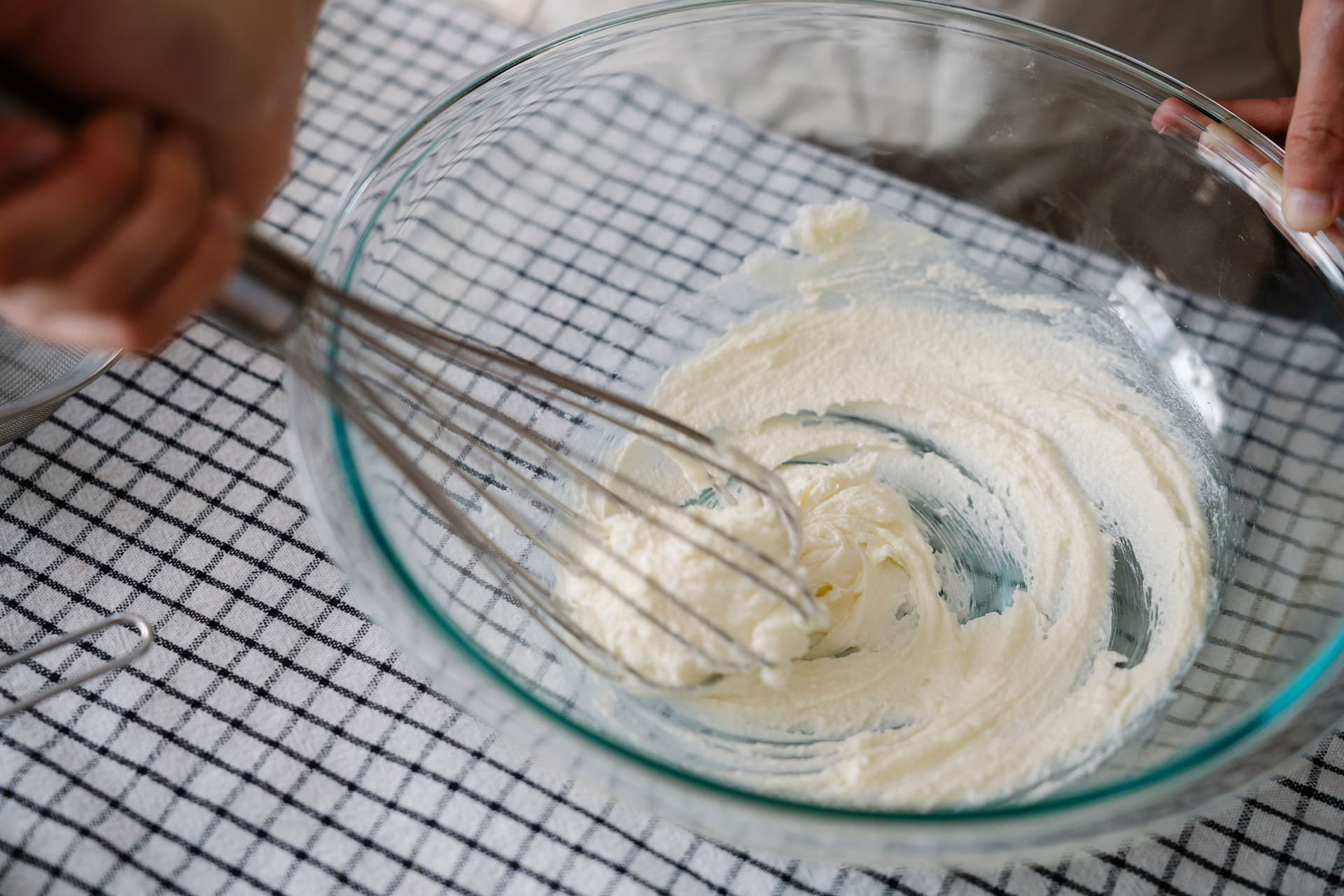
    Whisk the egg yolks with the remaining sugar until pale and slightly thickened. The sugar protects the yolks from scrambling when the hot dairy arrives.

  3. 03

    Temper

    Pour about a cup of the hot dairy into the yolks in a slow stream while whisking constantly. This raises the yolks' temperature gradually rather than shocking them. Then pour the tempered yolk mixture back into the pan.

  4. 04

    Cook to nappe

    Cook over medium-low heat, stirring constantly with a spatula and scraping the bottom, until the custard thickens enough to coat the back of the spatula and hold a clean line when you draw a finger through it. Around 170 to 175 F. Do not let it boil.

  5. 05

    Strain and cool

    Pour the custard immediately through the sieve into the cold cream. The cold cream stops the cooking and the sieve catches any bits that did set. Stir in the vanilla.

  6. 06

    Chill and churn

    Refrigerate at least 4 hours or overnight, then churn as usual, filling no more than two thirds of the bowl.

By machine

Freezer bowl
A custard base is thicker, so expect a slightly shorter churn than the same volume of Philadelphia base.
Compressor
Custard bases suit compressor machines well: no pre-freeze means you can cook and chill on your own schedule.
Ninja Creami
Custard bases spin unusually well, because the fat and yolks keep the frozen block from shaving powdery.

Our picks

What to buy, given all that

Placed here rather than at the top, because the recommendation only makes sense after the reasoning above.

  • Gelato being served from a stainless steel counter in a cafe

    Custard bases and gelato

    Cuisinart ICE-100

    Gelato is a custard base at low overrun, and this is the only machine here with the paddle for it.

    TypeCompressor
    Capacity1.5 qt
    Pre-freezeNone
  • Cream being whisked by hand in a glass bowl

    Custard on a canister budget

    Cuisinart ICE-70P1

    Three texture programs and a timer, and Ice Cream Science rated its output excellent.

    TypeFreezer bowl
    Capacity2 qt
    Measured churn28 min 30 s

FAQ

Questions people actually ask

What is the difference between custard and Philadelphia ice cream?

Egg yolks. A custard or French-style base cooks yolks into the dairy to make a thin custard; a Philadelphia base is cream, milk, sugar and flavor stirred cold with no eggs. The yolks emulsify, bind water so fewer large ice crystals form, and add richness and color.

Is custard ice cream better than Philadelphia style?

It is smoother, richer and considerably more forgiving, especially if the ice cream will sit in the freezer for several days. Philadelphia style is faster, has nothing to curdle, and has a cleaner dairy flavor that suits delicate fruit, mint and floral flavors better.

How do you stop an ice cream custard from curdling?

Temper and strain. Pour about a cup of hot dairy into the whisked yolks slowly while whisking constantly, then return everything to the pan. Cook over medium-low heat to about 170 to 175 F and never let it boil. Then strain it straight into cold reserved cream, which stops the cooking and catches anything that set.

What does nappe mean for an ice cream custard?

It is the doneness test: the custard coats the back of a spatula, and a finger drawn across leaves a clean line that does not run back together. That corresponds to roughly 170 to 175 F. Above about 180 F the yolk proteins set and you get lumps.

Which base should I use for gelato?

Custard, churned to low overrun. Gelato is essentially a milk-heavier custard base with less air beaten into it, which is why a machine with a dedicated low-air gelato paddle produces a noticeably more authentic result.

Sources

Read next

More in this section

Recipes