Skip to content
Freeze & Fold

Machine Reviews7 min read

Hamilton Beach 68330N review

Four quarts in one go for less than most small machines. The ice, the salt and the mess are the price, and they are worth it for a crowd.

By Janet H.Published Last reviewed
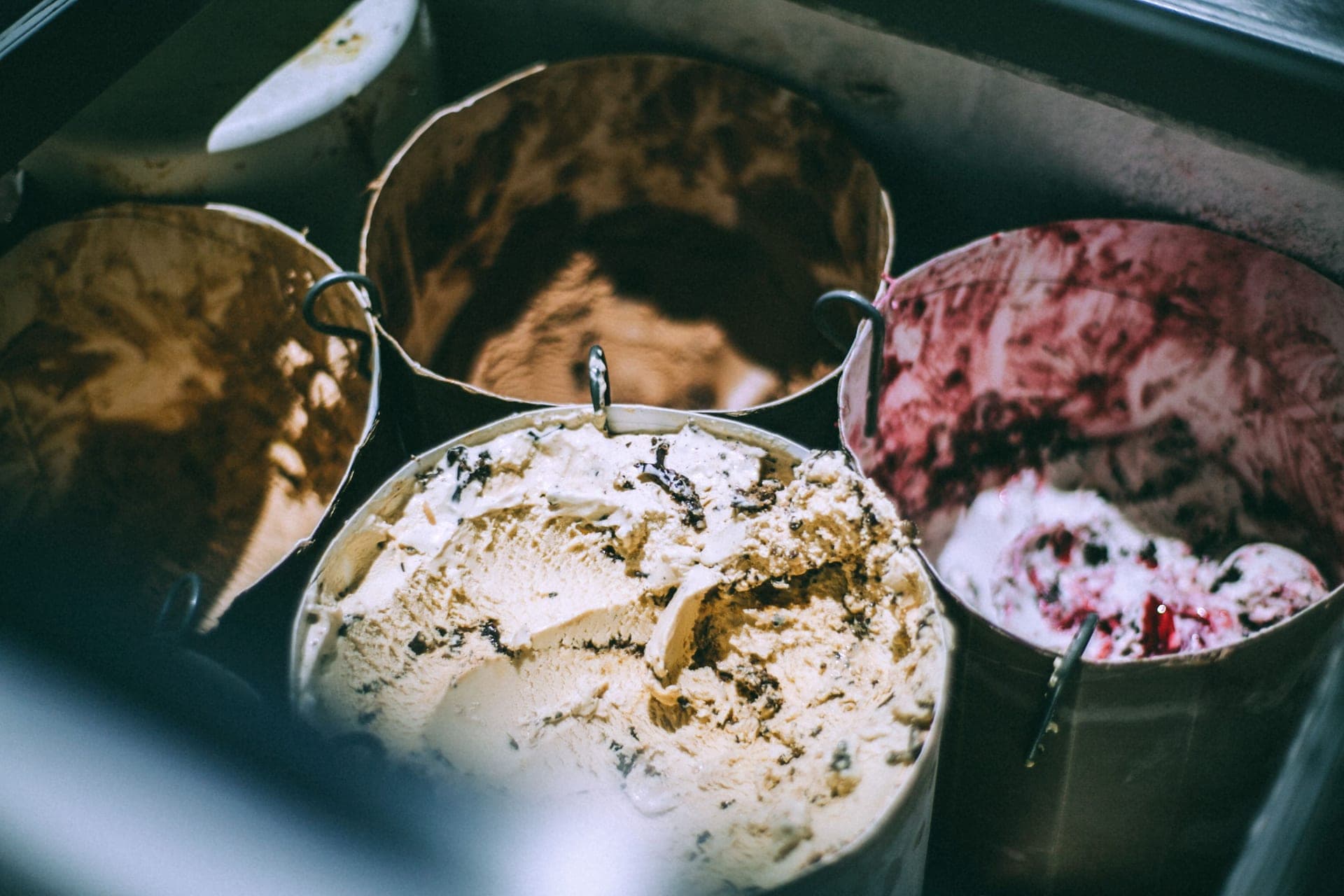
Steel buckets of ice cream in several flavors, seen from above

How we pick

We do not test ice cream makers in a kitchen of our own. Every pick here is an editorial synthesis of published hands-on testing by named reviewers plus manufacturer specification data, cited on this page. Product photos are representative stock images of the machine type, not the specific model. Read the full methodology.

DisclosureFreeze & Fold is a participant in the Amazon Services LLC Associates Program. If you buy through a link on this page we may earn a commission at no extra cost to you. Prices and availability change constantly, so we send you to Amazon to see the current price rather than printing one here. Full disclosure.

Buy it if you need four quarts and you are willing to buy ice. This is the cheapest cost per quart of finished ice cream on the entire site, and nothing else at this price comes close on volume. It is also messy, needs consumables every batch, and is entirely the wrong machine for a weeknight pint.

How it works

A canister of base sits in a bucket. You pack the gap with layers of ice and rock salt, which creates a brine much colder than ice water alone, and an 80-watt motor turns the mechanism. Per Hamilton Beach it churns for 20 to 40 minutes and stops on its own when the mixture is stiff enough to resist the motor.

The result is soft, closer to soft serve than hard pack, and wants a few hours in the freezer to firm up for scooping. That is how every bucket machine behaves and is not a fault.

Why the salt is not optional

Plain ice sits at 32 F, which is not cold enough to freeze an ice cream base in a useful amount of time. Salt lowers the freezing point of the meltwater, and that brine can reach well below freezing. The salt is doing the actual cooling work; the ice is just the vehicle. Skipping it produces a bucket of cold water and nothing else.

The costs, plainly

  • Ice and rock salt every single batch. Cheap per quart, not free, and it means a spontaneous batch needs a shop trip. This is the ongoing cost people forget when they compare it against a freezer-bowl machine.
  • Mess. Salt water in a bucket that has to be drained somewhere. A sink is workable, a yard or porch is better. Salt water is also not kind to floors or grass.
  • Time. 20 to 40 minutes of churn, then a hardening period. This is an afternoon activity for an evening dessert.
  • Storage. A 4-quart bucket is a bulky object for a machine most households use a few times a year.

What you get for it

Volume no countertop machine can match. Four quarts is more than two of the compressor machines on this site combined, and it comes from a machine that costs a fraction of one of them.

No freezer real estate. No gel bowl on a shelf, no pint frozen overnight. The machine stores dry and the cold arrives with the ice.

No day-ahead planning. Unusually for a cheap machine, this one has no pre-freeze requirement at all. Buy ice, make ice cream today. The trade is that you have to buy ice.

A note on Hamilton Beach model numbers

Worth being precise here, because the range is easy to confuse. America's Test Kitchen's June 2026 equipment review rated the Hamilton Beach 68880, a 1-quart canister machine, placing it in Recommended with Reservations at $55. That is a different machine from the 68330N, which is a 4-quart ice-and-salt bucket machine.

We are naming that distinction rather than borrowing the rating: the 68330N itself was not among the machines ATK rated, and we found no published testing of it from Ice Cream Science or Dream Scoops either. The specifications on this page are Hamilton Beach's own, and our assessment is about mechanism and practicality rather than measured output. How we pick sets out that standard.

Sizing a recipe for four quarts

Four quarts of base is a serious grocery order, and ingredients are the dominant cost of a big batch — far more than the machine, the ice or the salt. Two practical consequences: lean the recipe toward a milk-heavier base rather than an all-cream one, because at four quarts nobody is comparing butterfat percentages; and fill the canister to roughly two thirds, because the mixture expands as air churns in.

The arithmetic with current published US average retail prices is in what homemade ice cream actually costs.

Verdict

The correct machine for a birthday party, a reunion or a lake house full of people, and an absurd one for two scoops on a Tuesday. If your requirement is genuinely four quarts, nothing else in this price range exists. If it is a family dessert, buy a canister machine instead and keep the bowl in the freezer.
The verdict card

Steel buckets of ice cream in several flavors, seen from above

Feeding a crowd cheaplyIce-and-salt bucket

Hamilton Beach 68330N

Four quarts in one go for less than most 1.5-quart machines. You supply ice, rock salt and a bit of mess.

Spec sheet

TypeIce-and-salt bucket, electric motor
Capacity4 qt
Pre-freezeNone, you pack ice and rock salt
Churn time20-40 minutes, stops itself
Power80 W
ConsumablesIce and rock salt every batch

What it gets right

  • 4 qt in a single batch, more than two of the compressor machines combined
  • No freezer space needed for a bowl and no overnight planning
  • The motor stops on its own when the mixture is stiff
  • Cheapest cost per quart of any machine on this site

What it costs you

  • You buy ice and rock salt for every single batch
  • Salt water in the bucket makes the process messy and best done near a sink or outdoors
  • Churns 20 to 40 minutes and still needs a hardening period in the freezer
  • Bulky to store for a machine used a few times a year

Who should skip this

You want a weeknight pint. Packing a bucket with ice for two scoops is not a reasonable trade.

Our score7.6/10

Texture
7/10
Speed
7/10
Capacity
10/10
Ease
5/10
Value
9/10
Footprint
4/10

What these six numbers mean

FAQ

Questions people actually ask

How long does the Hamilton Beach 68330N take?

Per Hamilton Beach it churns for 20 to 40 minutes and stops itself when the mixture is stiff. The result comes out soft and wants a few hours in the freezer to firm up enough to scoop properly, so plan it as an afternoon job for an evening dessert.

Do you really need rock salt for the Hamilton Beach ice cream maker?

Yes. Plain ice sits at 32 F, which is not cold enough to freeze an ice cream base in a useful time. Salt lowers the freezing point of the meltwater and creates a brine that gets well below freezing, and that brine is what does the cooling. Without salt you get a bucket of cold water.

Is the Hamilton Beach 68330N the machine America's Test Kitchen rated?

No, and the distinction matters. ATK's June 2026 review rated the Hamilton Beach 68880, a 1-quart canister machine, at $55 in their Recommended with Reservations tier. The 68330N is a different machine: a 4-quart ice-and-salt bucket model that was not among those they tested.

How many people does 4 quarts of ice cream serve?

Comfortably twelve to sixteen with a generous scoop each, which is why bucket machines are the party option. For comparison, the largest countertop machine on this site holds 2.1 quarts and serves about six.

Is a bucket ice cream maker messy?

Yes. Salt water accumulates in the bucket and has to be drained somewhere, which makes a sink the minimum and a yard or porch preferable. It is the main reason these machines get used a few times a year rather than weekly.

Sources

Read next

More in this section

Machine Reviews