Skip to content
Freeze & Fold

Recipes7 min read

Soft serve ice cream recipe for any machine

Soft serve is not a setting, it is a base you serve immediately. Keep the sugar high, keep the fat, chill it properly, and stop the churn before it looks finished.

By Janet H.Published Last reviewed
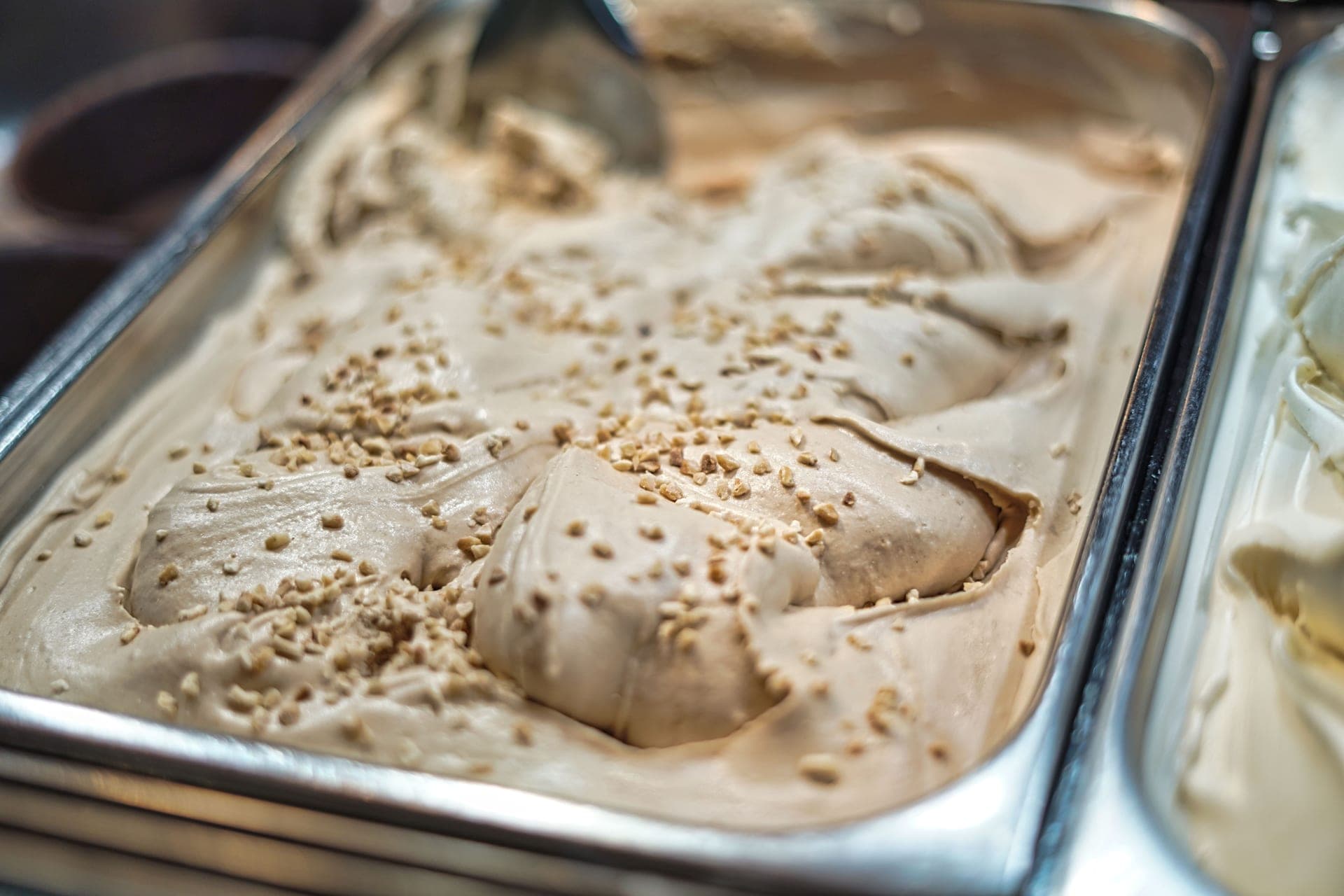
Creamy hazelnut gelato in a metal container, ready to serve

How we pick

We do not test ice cream makers in a kitchen of our own. Every pick here is an editorial synthesis of published hands-on testing by named reviewers plus manufacturer specification data, cited on this page. Product photos and prices come from Amazon's own listing for each machine and refresh daily; where we could not match a machine to one exact listing, the photo is a representative stock image of the machine type rather than that model. Read the full methodology.

DisclosureFreeze & Fold is a participant in the Amazon Services LLC Associates Program. If you buy through a link on this page we may earn a commission at no extra cost to you. Prices and availability change constantly, so we send you to Amazon to see the current price rather than printing one here. Full disclosure.

Soft serve is ice cream served at a softer consistency and a warmer temperature, so the recipe is built around being eaten immediately rather than stored. That changes two things about the base: keep the sugar high, because sugar is what holds a mixture soft, and keep the fat, because butterfat coats ice crystals and smoothness is the entire point. Then stop the churn earlier than you think you should.

If you want the technique rather than the recipe — which machines can do it, what a dispenser actually adds, and why melted hard ice cream is not soft serve — that is in how to make soft serve at home. This page is the base and the per-machine timings.

Why the sugar stays high

This is the one instruction people override, and it is the one that matters most. Sugar depresses the freezing point, so a sweeter base stays softer at any given temperature. Cutting the sugar to make a lighter soft serve gives you a firmer dessert, not a softer one — exactly backwards. The corn syrup is there for the same reason and adds body without adding more sweetness than the recipe can carry.

The milk powder is doing a different job: it adds milk solids, so more protein and lactose bind more water without adding liquid that then has to be frozen. It is what commercial manufacturers do, and it noticeably reduces iciness — which is the whole argument of stabilizers in ice cream.

The texture you are aiming for

Thick, glossy, holds a soft ridge, slumps back on itself. If a spoon stands up in it you have gone too far and you have made ice cream, which is a fine thing to have made but will not swirl. If it still pours, it needs another few minutes.

Where each machine type puts the soft window

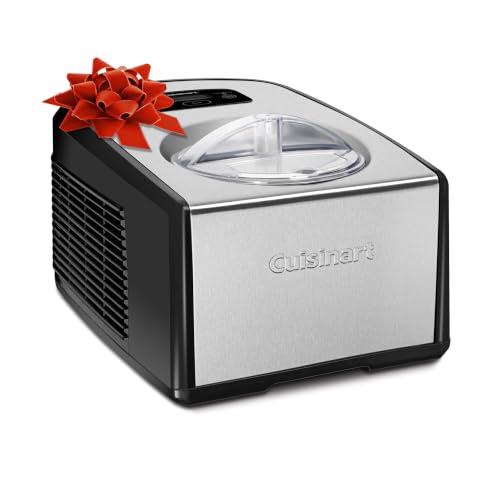
A compressor machine is the most forgiving, because it holds its temperature from the first minute to the last: you can stop at the soft stage and the mixture will sit there rather than racing on. The Cuisinart ICE-100's 10-minute Keep Cool phase is genuinely useful here, and its 60-minute countdown means you can stop deliberately rather than by eye.

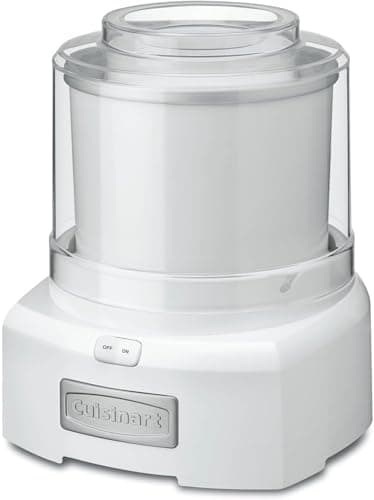
A canister machine is the hardest, not because it cannot do it but because the bowl spends its stored cold as it goes. The soft window arrives and passes, and there is no hold function. Start checking at around two-thirds of your usual churn time and serve the moment it looks right. The mechanism behind that is in compressor versus freezer bowl, and the timings across machine types are in how long to churn ice cream.

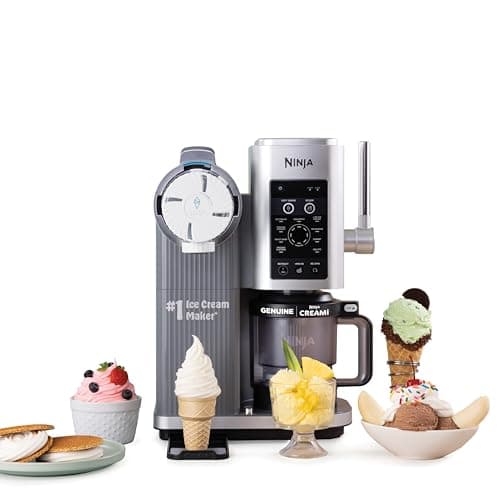
A spin machine inverts the whole thing: the base freezes solid in a pint first, then the blade shaves it. Use the soft-serve or lite program rather than the standard one. Only the Ninja Swirl by CREAMi (NC701) has a real dispensing lever, with six soft-serve programs out of thirteen — see the Swirl review.

If the swirl is the point

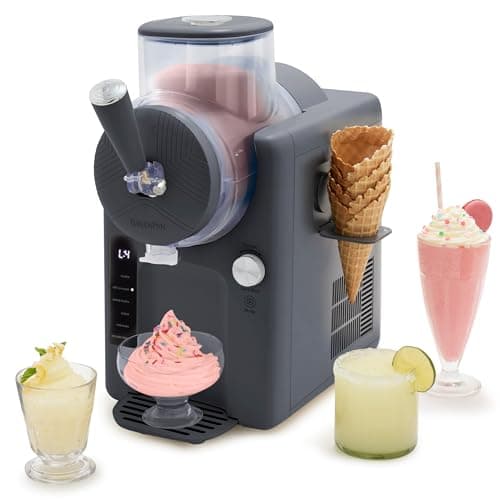
Two machines on this site dispense. The Ninja Swirl pushes a 16-ounce pint through a lever. The GreenPan Frost Classic pushes 64 ounces through a push-to-close spout and is ready in as little as 15 minutes per GreenPan, with a dedicated soft ice cream mode among its six. Neither has been rated by a lab we can read, and GreenPan publishes no wattage, dimensions or weight.

Which of the two suits you comes down to capacity against versatility, and that is settled in Frost versus Ninja Swirl. The field as a whole is ranked in best soft serve machines for home.

Flavor variations that work

Chocolate: whisk 1/3 cup unsweetened cocoa powder into the milk at step one, with the sugar, so it dissolves fully. Cocoa absorbs water, so this base runs slightly firmer — stop the churn a little earlier still. Our full method is in homemade chocolate ice cream.

Strawberry: fold in 3/4 cup of strawberry purée that has been cooked down and cooled, not raw fruit. Raw fruit is mostly water and water is what you are trying to control — the reasoning is in homemade strawberry ice cream.

Do not add alcohol to this one. A tablespoon or two keeps stored ice cream scoopable, which is a problem soft serve does not have, and it makes an already-soft mixture harder to set at all.

What to do with what you do not serve

Freeze it in a shallow airtight container and treat it as ice cream from then on: it will set firm and it will not go back to being soft serve, because the ice crystals formed during hardening do not un-form. Letting it melt on the counter gives you a wet, grainy version of what you started with rather than the texture you had out of the machine.

Better: make less. This base scales down cleanly by half, and a smaller volume against the same machine freezes faster, which improves it. Storage habits that actually help are in storing homemade ice cream.
The recipe

Soft serve ice cream recipe for any machine

Prep15 min
Cook10 min
Total4 hr 45 min
MakesAbout 1 quart of soft serve (4 to 6 servings)

Ingredients

  • 2 cups heavy cream
  • 1 cup whole milk
  • 3/4 cup granulated sugar
  • 2 tablespoons light corn syrup
  • 2 tablespoons nonfat dry milk powder
  • 1 tablespoon vanilla extract
  • 1/4 teaspoon fine salt

Method

  1. 01

    Warm the dairy and dissolve everything

    Heat the milk with the sugar, corn syrup, milk powder and salt over medium-low heat, whisking, until the sugar and powder are completely dissolved and no grains remain on the whisk. Do not boil it. This step exists because dry milk powder will not hydrate in cold liquid, and undissolved sugar is a source of grittiness.

  2. 02

    Add the cream off the heat

    Take the pan off the heat, whisk in the cream and the vanilla. Adding the cream cold brings the temperature down fast, which starts the chilling step for you.

  3. 03

    Chill it properly

    Refrigerate at least 4 hours, preferably overnight. The base must be thoroughly cold, not just cool. A warm base spends the machine's cold on cooling instead of freezing, which gives you a slow freeze and a coarse texture, and soft serve has nowhere to hide it.

  4. 04

    Churn, and stop early

    Churn until the mixture is thick and holds a soft ridge but still slumps back on itself: roughly the consistency of thick cake batter or frosting. This is earlier than you would stop for scoopable ice cream, and it is the entire difference between the two desserts.

  5. 05

    Serve immediately

    Soft serve is a serving temperature, not a storage state. Fill the bowls or cones straight from the machine. Do not hold it, and do not plan to freeze it and reheat the idea later.

  6. 06

    If you have a dispenser, use it now

    On a machine with a soft-serve spout, run the dispense program as soon as the texture is right. The swirl only works while the mixture is still soft enough to extrude.

By machine

Compressor
The easiest machine for this. Stop at the soft stage and, if your machine has one, use the hold or Keep Cool function to keep it at serving texture while you fill bowls. The Cuisinart ICE-100 has a 10-minute Keep Cool phase for exactly this.
Freezer bowl
Works, but you are racing the bowl: it warms as it churns, so the soft window arrives and passes quickly. Watch it from about two-thirds of the usual churn time and serve the moment it looks right.
Spin / blade
Freeze the base solid in the pint first, then use the soft-serve or lite ice cream program rather than the standard one. On the Ninja Swirl (NC701) run one of the six soft-serve programs and dispense through the lever.
Ice-and-salt bucket
Not the right machine. A bucket machine churns 20 to 40 minutes and is designed to deliver a stiff batch for hardening, so the soft window is hard to catch and the batch is far too large to serve at once.

Our picks

What to buy, given all that

Placed here rather than at the top, because the recommendation only makes sense after the reasoning above.

  • Cuisinart ICE-100

    The easiest soft serve without a dispenser

    Cuisinart ICE-100

    No pre-freeze, a 60-minute countdown so you can stop deliberately, and a 10-minute Keep Cool that holds serving texture.

    TypeCompressor
    Capacity1.5 qt
    Pre-freezeNone
    $284.99 · View on Amazon

    $379.9525% offPrice as of November 10, 2026

    #ad How this is funded

  • Ninja CREAMi Scoop & Swirl (NC701)

    An actual swirl

    Ninja CREAMi Scoop & Swirl (NC701)

    Six soft-serve programs out of thirteen and a dispensing lever. Sold as Ninja Swirl by CREAMi.

    TypeSpin plus soft serve
    Capacity16 oz pint
    Soft-serve programs6
    $299.00 · View on Amazon

    $349.9915% offPrice as of November 10, 2026

    #ad How this is funded

  • GreenPan Frost Classic

    Two quarts dispensed, no pre-freeze

    GreenPan Frost Classic

    64 oz through a push-to-close spout, ready in as little as 15 minutes per GreenPan.

    TypeCompressor
    Capacity64 oz / 2 qt
    Ready in~15 min
    $285.19 · View on Amazon

    $399.9929% offPrice as of November 10, 2026

    #ad How this is funded

FAQ

Questions people actually ask

What is the recipe for soft serve ice cream in a machine?

A high-sugar, full-fat base served straight from the machine: 2 cups heavy cream, 1 cup whole milk, 3/4 cup sugar, 2 tablespoons light corn syrup, 2 tablespoons nonfat dry milk powder, 1 tablespoon vanilla and a pinch of salt. Dissolve the sugar and milk powder in warm milk, add the cream off the heat, chill at least 4 hours, then churn only until it holds a soft ridge and serve immediately.

Can you make soft serve in a regular ice cream maker?

Yes. Soft serve is ice cream stopped earlier and served immediately, so any machine will make the texture. What a regular machine cannot do is dispense it through a spout, which is what gives a soft serve its swirl. Only the Ninja Swirl by CREAMi and the GreenPan Frost Classic can do that among the machines on this site.

Should you reduce the sugar for soft serve?

No, the opposite. Sugar depresses the freezing point, so it is what keeps the mixture soft at serving temperature. A low-sugar base makes a firmer dessert rather than a softer one, which is why this recipe keeps the sugar high and adds corn syrup as well.

How do you know when to stop churning soft serve?

When it is thick and glossy, holds a soft ridge, and still slumps back on itself: roughly the consistency of thick cake batter. If a spoon stands up in it you have gone past soft serve and made scoopable ice cream. On a canister machine start checking at about two-thirds of your usual churn time.

Can you store homemade soft serve?

Not as soft serve. Freeze it in a shallow airtight container and it becomes ordinary ice cream, and letting it melt again gives you a wet, grainy texture rather than the original one, because the ice crystals formed during hardening do not reverse. Soft serve is a serving state, not a storage state.

Which machine is easiest for soft serve?

A compressor machine, because it holds its temperature throughout the churn so the soft stage does not pass while you are deciding. The Cuisinart ICE-100 adds a 60-minute countdown and a 10-minute Keep Cool phase that holds the batch at serving texture while you fill bowls, which is exactly the problem soft serve creates.

Sources

Read next

More in this section

Recipes