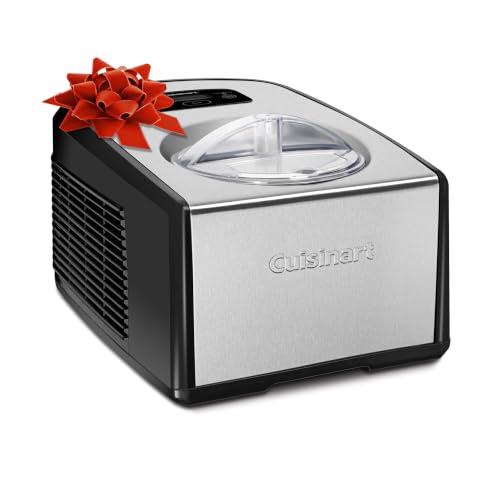
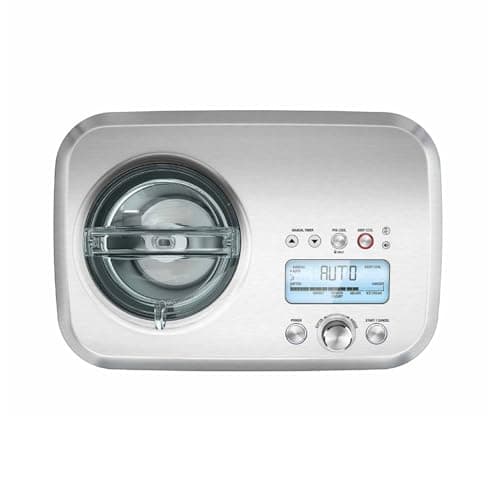
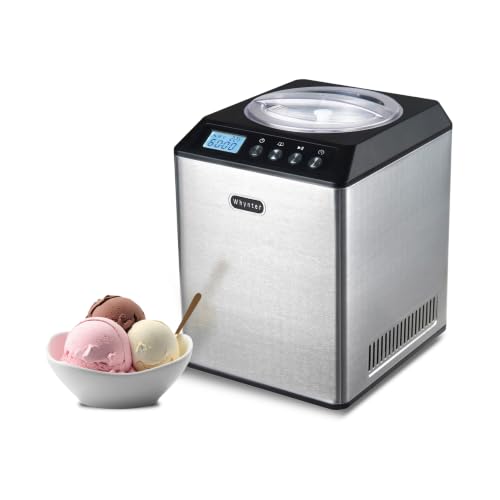
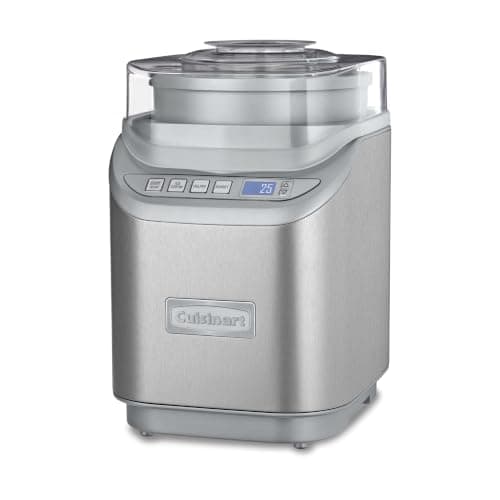
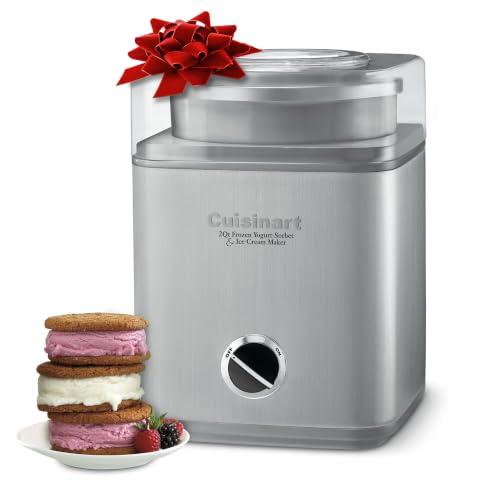
Buy the Cuisinart ICE-100. It is the best machine for frozen custard in this registry for one concrete reason: it ships with a second, low-air gelato paddle, and low air is the defining characteristic of custard. It also chills itself, which matters because a yolk-heavy base takes longer to firm than a plain cream one. The budget pick is the Cuisinart ICE-30BCP1 — a custard base does most of its own work in the saucepan, and a plain 2-quart canister machine finishes the job for a quarter of the money.
What makes it custard and not ice cream
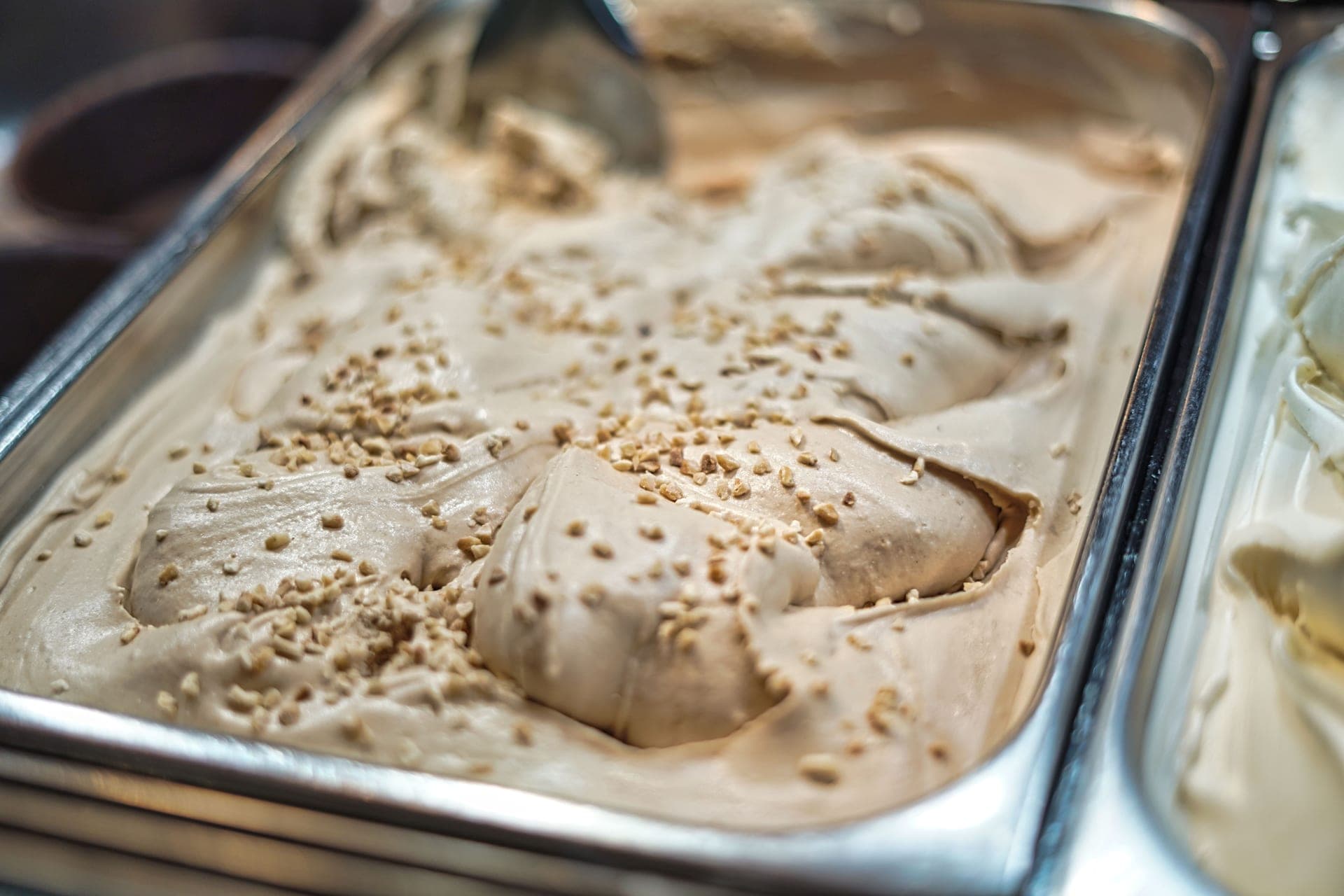
Three things, and the machine only controls two of them. First, egg yolk: a frozen custard base is built on cooked yolks, which emulsify the fat and give the dessert its density and that faintly eggy, buttery flavour. Second, air: custard is churned to low overrun, so a given scoop weighs more than the same scoop of ice cream. Third, serving temperature: a proper frozen custard is served soft, straight from the machine, not hardened overnight.
The yolk is your department — the custard-versus-Philadelphia comparison covers the base itself. Air and serving texture are the machine's, which is what this page ranks on.
The spec that matters, named properly
Overrun is the percentage of air churned into the mix. Commercial ice cream can run 50 to 100 percent; gelato and frozen custard sit far lower, which is why both taste denser and colder-hitting. A machine with a second low-air paddle (the ICE-100) or adjustable hardness (the Breville) gives you a lever on that number. Overrun explained is the full version.
Why the gelato paddle is the whole argument
Gelato and frozen custard are not the same dessert — gelato is typically lower in fat and may use no yolks at all — but they share the low-air requirement, and a paddle designed to whip in less air serves both. The Cuisinart ICE-100 is the cheapest machine in our registry that ships with one, and swapping paddles takes about four seconds. If you want the difference between the two desserts explained properly, gelato versus ice cream has it.
Serving soft is a machine feature, not a technique
Real frozen custard comes out of the machine at serving temperature and goes straight into a cup. On most machines you approximate that by stopping the churn early and guessing. The Breville Smart Scoop replaces the guess with twelve hardness settings, which is the single most useful feature on this page for a custard specifically — set it soft, let it tell you when it is there, serve. The tradeoff is price, and our soft serve roundup covers the cheaper routes to the same texture.
Batch size and the yolk tax
Custard bases are rich, and rich bases churn slower and firm up later than lean ones. Two consequences. First, a self-refrigerating machine is worth more here than it is for plain vanilla, because a canister bowl is spending its fixed budget of cold the whole time it waits. Second, do not fill to the rated line: around two thirds is the sensible fill on any machine, and Ice Cream Science puts the optimal fill on the 2-quart ICE-70P1 at about 900 ml.
If you want a crowd-sized custard, the answer is not a bigger countertop machine — it is a bucket machine, which makes four to six quarts of exactly this kind of rich base in one sitting, and has done since long before anyone called it frozen custard.