Chill a cooked custard base for at least four hours and preferably overnight, and use it within about three days. An uncooked base can go in after two hours as long as it is thoroughly cold. The base should be refrigerator-cold to the touch, around 40 F, before it goes anywhere near the machine. A warm base is the single most common reason a first batch never thickens.
Overnight is not just a longer version of four hours, though. Something else happens during that time, and it is why professional recipes insist on it.
Why a warm base ruins a batch
A freezer-bowl machine holds a fixed budget of cold stored as frozen gel in its wall. Every degree of warmth you pour in has to be removed before the mixture can begin to freeze, and it comes out of that same budget. Pour in a base at 70 F and a large share of the cold is spent simply bringing the liquid down to freezing point — so the churn starts late, runs out of cold early, and you get a thick cold drink instead of ice cream.
There is a texture consequence as well as a failure mode. Slow freezing grows large ice crystals, and large ice crystals are what people taste as icy. A properly cold base freezes fast and the crystals stay small. That mechanism is the whole subject of why homemade ice cream is icy.
The two-hour shortcut, and its limit
To cool a hot custard quickly, set the container in a larger bowl of iced water and stir occasionally — it will come down in 20 to 30 minutes, after which an hour or two in the refrigerator finishes the job. Do not put a warm base in the freezer to speed things up beyond a brief stint: the edges freeze into crystals while the middle is still warm, and you have manufactured the exact texture problem you were trying to avoid.
What overnight actually does: aging the base
Resting a base overnight is called aging, and three things happen that four hours does not fully deliver.
- The fat crystallizes. Butterfat partially solidifies at refrigerator temperature, and that partly-crystalline fat is what gives a whipped, dense structure during churning rather than a thin one.
- Proteins and any stabilizer fully hydrate. Milk proteins bind water over hours. Water that is bound into the mix is water that cannot form large ice crystals.
- Flavors integrate. Vanilla, cocoa, coffee and spices all read as rounder and deeper the next day. This part is not physics, but it is consistent.
The net effect is a base that churns thicker, freezes faster and tastes better, for zero extra work — you simply made it the day before. If you want the base chemistry at length, custard versus Philadelphia base is the page for it.
How long is too long?
About three days in the refrigerator is the sensible outer limit for a dairy base, and a cooked custard holds up better than an uncooked one because it has been pasteurized by the cooking. Beyond that you are relying on how fresh the cream was when you started, and a base that smells even slightly sour should go down the sink rather than into a machine.
Two signs it has waited too long: a distinctly sour or cheesy smell, or visible separation that does not re-combine with a stir. Mild separation after two days is normal — whisk it back together before churning.
How much it matters, by machine type
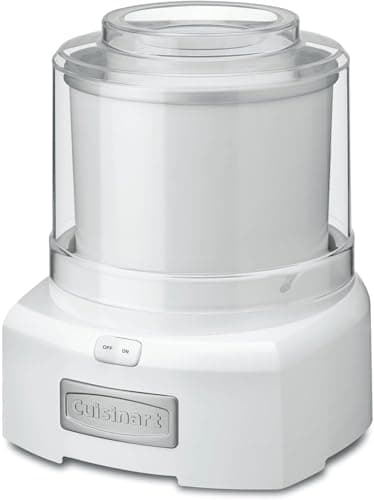
- Freezer bowl: it matters most. Fixed cold budget, no way to add more. This is where a warm base costs you the batch outright.
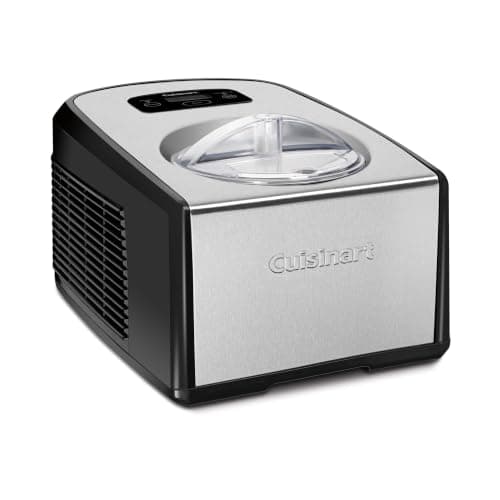
- Compressor: it matters least. The machine makes cold continuously, so a base a few degrees too warm costs you extra minutes rather than the result. Still chill it — you want the texture benefit, not just a working batch.
- Spin machines: the question changes shape. A Ninja CREAMi needs the pint frozen solid, not merely chilled, and Ninja specifies overnight. Chilling before freezing still helps, because a cold pint freezes through faster and more evenly — see how a spin machine works.
- Ice-and-salt buckets: it matters, differently. There is plenty of cooling power, but a warm base means a longer churn and more melted ice, so you are buying another bag of ice to skip four hours of waiting.
The practical routine
Make the base the evening before. Cool it over iced water, cover it so it does not take on refrigerator smells, and leave it overnight. The next day you have a cold aged base and, if you own a canister machine, a bowl that has had its full 16 to 24 hours — which is the other half of the same planning problem, covered in how long to freeze an ice cream maker bowl.
Then churn straight from the refrigerator: pour cold base into a cold bowl with the paddle already turning, and stop when it mounds. The full sequence is in how to use an ice cream maker, and the no-fail vanilla is a base worth aging.