Rinse every removable part in cool water the moment the ice cream is out, wash in warm soapy water by hand, dry the freezer bowl completely before it goes back in the freezer, and never put a gel bowl in a dishwasher. That one paragraph covers about ninety percent of cleaning an ice cream maker. The rest of this page is the detail per machine type, the parts people forget, and the two mistakes that actually damage a machine.
It is worth getting right for an unglamorous reason: washing up is what stops people using these machines. A dairy base that rinses off in seconds while soft needs soaking once it has dried, and after the fourth late-night scrub the machine goes in a cupboard and stays there.
The two mistakes that cause real damage
Hot water on a chilled bowl. A gel freezer bowl is two metal walls with a coolant gel sealed between them, and that seal is the entire mechanism — it is what stores the cold the machine runs on. Thermal shock is what stresses it, so a bowl straight out of a churn goes under cool water first, then warm. Never boiling, never straight from the kettle.
A gel bowl in the dishwasher. Same reason, with heat applied for an hour. Manufacturers are consistent on this, and KitchenAid states it plainly for the KICA0WH: the bowl is hand-wash only, while the dasher and drive assembly are dishwasher safe. Treat any double-walled bowl the same way regardless of brand.
The habit that saves the most work
Scrape the ice cream into its container, then take the machine apart and rinse it immediately — before you serve, before anyone sits down. Cream and egg custard film onto surfaces and set hard as they dry. Thirty seconds of rinsing now replaces ten minutes of soaking later, and that difference is the whole reason some machines get used weekly and others get used twice.
Freezer-bowl machines
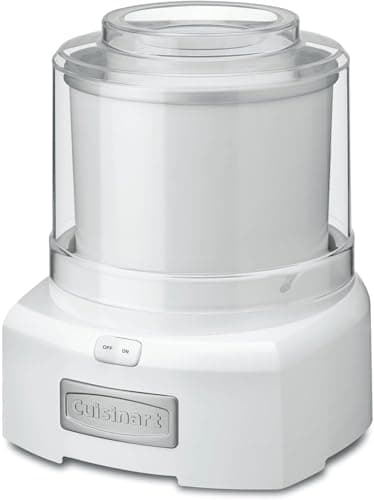
Three parts: the bowl, the paddle and the lid. The job takes about two minutes on a Cuisinart ICE-21P1 and it is one of the quiet reasons that machine stays in use.
- Unplug the motor housing. It never goes near water; wipe it with a damp cloth.
- Rinse the bowl and paddle in cool water to lift the soft film.
- Wash both in warm soapy water with a soft sponge. No abrasives on the bowl's inner wall.
- Pay attention to the lid. The spout and the underside of the rim collect base and are the parts everyone misses.
- Dry the bowl completely before it goes back in the freezer. A wet bowl frosts, and a frosted bowl transfers cold into your base less efficiently, which is a slower freeze and a coarser result.
If you keep the bowl permanently in the freezer — which is the standard fix for the 16-to-24-hour planning problem — put it in a bag so it does not pick up freezer odours or frost from the walls.
Compressor machines
Here the whole question is whether the bowl comes out, and it is worth knowing before you buy.
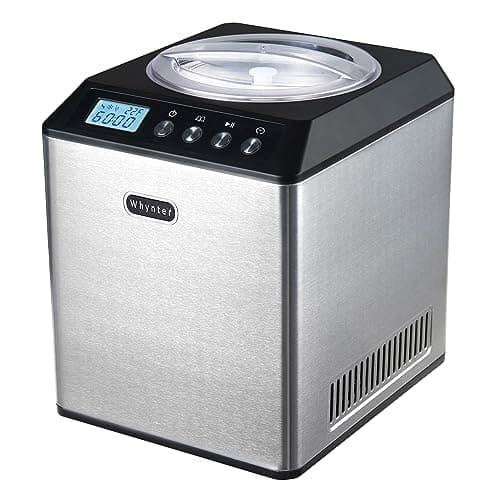
Removable bowl, as on the Whynter ICM-201SB: lift the stainless bowl out, carry it to the sink, wash it like any pan. The machine stays on the counter and gets a wipe. This is far and away the easier arrangement and it is why that machine leads the easiest-to-clean roundup.
Fixed bowl, as on the Lello 4080 Musso Lussino: the bowl is part of the machine, so you clean it in place. Scrape it out with a silicone spatula, wipe with a damp cloth, use a jug of warm soapy water and a second jug to rinse, then dry. Never pour water freely into a machine with a refrigeration unit and never submerge the body. It is the price of that machine's texture, and the trade is discussed in ICE-100 versus Lello 4080.
One compressor-specific habit: let the machine come back to room temperature before you put the lid on and leave it. A sealed cold bowl sweats, and condensation sitting inside a closed machine is how smells start. Give it an hour with the lid off.
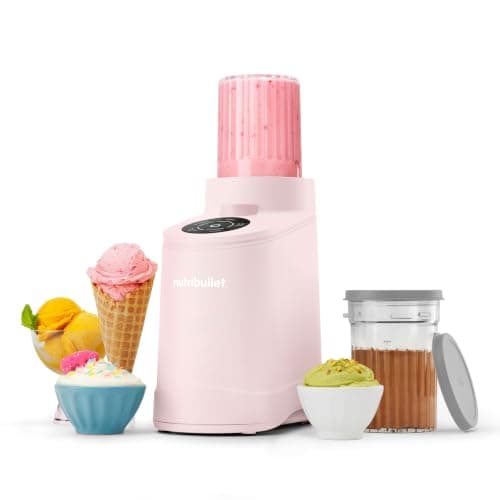
Spin machines (CREAMi, nutribullet Chill, FastFreeze)
These are the easiest type to clean and the reason is structural: the base goes in frozen solid, so no liquid cream ever films onto the appliance. What you wash is the pint, its lid and the paddle, plus a rinse of the outer bowl assembly that holds the pint during a spin.
Ninja and nutribullet both list the removable parts as dishwasher safe — top rack for the nutribullet Chill. Two notes that matter in practice. The paddle has a hub with a recess that traps a surprising amount, so rinse it under a running tap rather than wiping it. And on a machine with a soft-serve dispenser, such as the CREAMi Scoop & Swirl, the dispensing path is an extra assembly that must be flushed through immediately — a dispensing mechanism left dirty is the one part of a spin machine that becomes genuinely unpleasant.
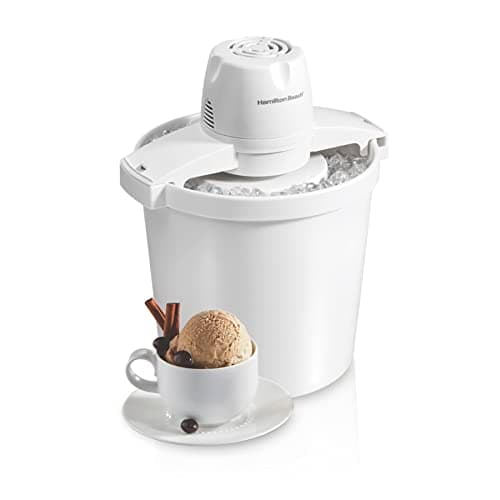
Ice-and-salt bucket machines
The canister and dasher are simple. The bucket is the job, and it is the reason these machines belong near a garden tap.
- Lift the canister out before you open it, so brine does not run into the ice cream. Rinse the outside of the canister in fresh water first.
- Drain the brine somewhere that will not mind salt. Not onto a lawn you care about, and not into a planted bed.
- Rinse the bucket thoroughly, because dried salt crystals corrode metal fittings and leave a crust.
- Dry a wooden bucket properly and store it somewhere airy. A wood bucket put away damp stains and smells, and that is the most common complaint about this type of machine.
- Wipe the motor unit. Salt water and electric motors are a bad combination, so check the underside of the motor mount where splashes collect.
Why there is salt in there at all, and how much to use, is in how much salt an ice cream maker needs.
Stand mixer attachments
The KitchenAid KICA0WH splits cleanly: the bowl is hand-wash only per KitchenAid, and the dasher and drive assembly are dishwasher safe. Treat the bowl exactly like any gel freezer bowl — cool water first, no dishwasher, dry fully before it refreezes. Wipe the mixer itself and check the drive collar, which collects base if the bowl was over-filled.
Smells, films and the occasional deep clean
Three problems and their fixes, none of which need a proprietary cleaner.
A greasy film that soap is not shifting. That is butterfat. Wash in water as warm as the part tolerates with a degreasing dish soap, and give it a minute rather than a wipe. On a gel bowl, warm rather than hot.
A lingering dairy smell. Wipe with a solution of one part white vinegar to four parts water, leave it a few minutes, then rinse and dry. Vinegar is safe on stainless and on the plastics used here, and it deals with the proteins soap leaves behind. Do not use bleach on a food surface you cannot rinse thoroughly.
Frost or odour on a stored freezer bowl. It was put away damp, or stored unbagged. Wash, dry completely, bag it, and it will not recur.
One thing not to over-think: you do not need to sanitise an ice cream maker between batches of the same day. You do need the base itself handled properly, which is a food-safety question rather than a machine one — if you cook a custard base, chill it fast and thoroughly, as custard versus Philadelphia base explains, and a well-chilled base also freezes faster and tastes better.
If cleaning is the thing you care about most
Three rules when shopping. Prefer a removable bowl over a fixed one on any compressor machine. Prefer a frozen-base spin machine if you want the least washing up in the category. And count the parts on the specification page: every mechanism with a path — a dispenser, a mix-in chute — is one more thing to flush out at nine o'clock at night. The machines that win on all three counts are ranked in the easiest-to-clean roundup.