Skip to content
Freeze & Fold

Recipes6 min read

Sorbet in an ice cream maker

Three ingredients and one number. Get the sugar ratio right and sorbet is the easiest thing your machine makes.

By Janet H.Published Last reviewed
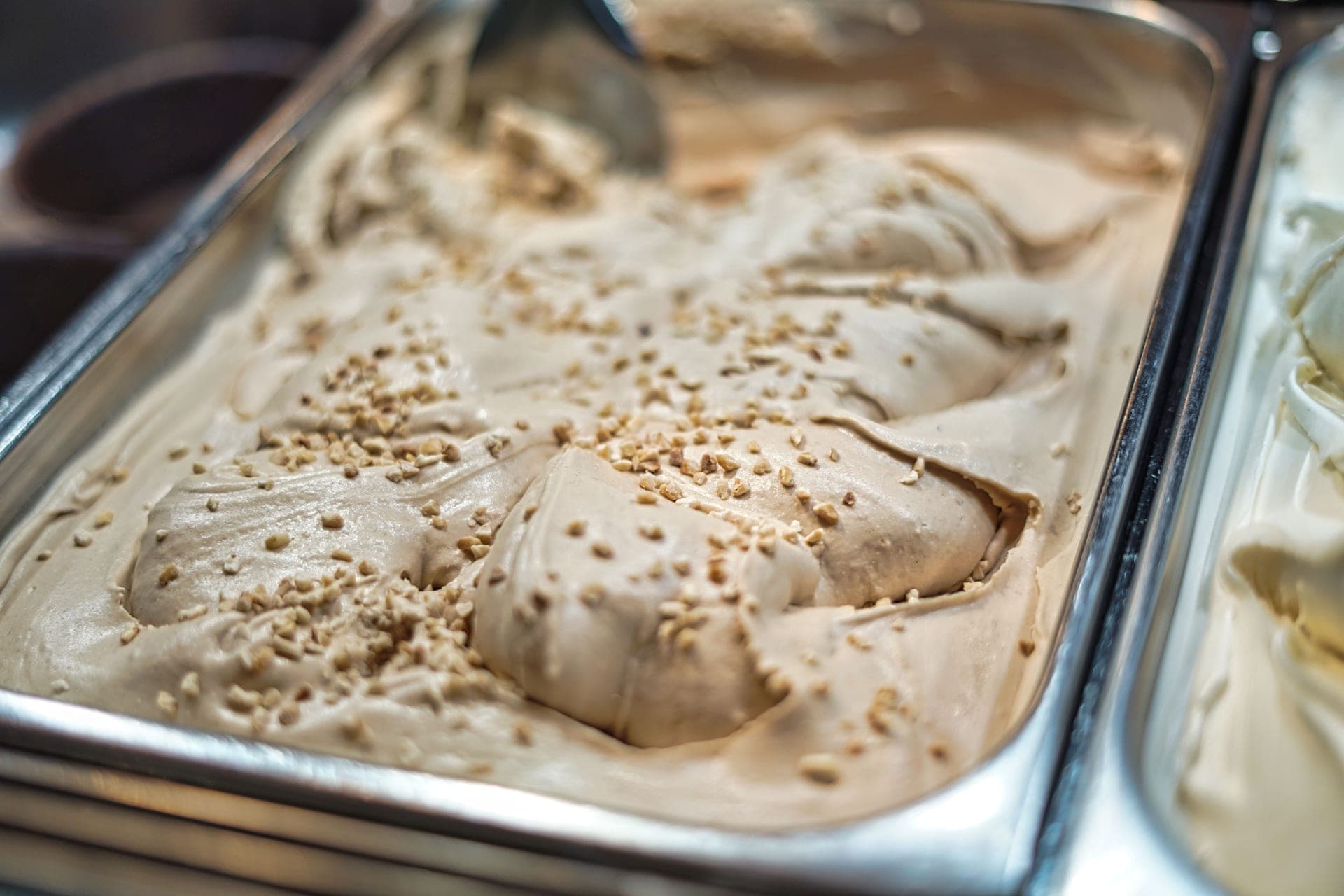
Creamy hazelnut gelato in a metal container, ready to serve

How we pick

We do not test ice cream makers in a kitchen of our own. Every pick here is an editorial synthesis of published hands-on testing by named reviewers plus manufacturer specification data, cited on this page. Product photos are representative stock images of the machine type, not the specific model. Read the full methodology.

DisclosureFreeze & Fold is a participant in the Amazon Services LLC Associates Program. If you buy through a link on this page we may earn a commission at no extra cost to you. Prices and availability change constantly, so we send you to Amazon to see the current price rather than printing one here. Full disclosure.

Sorbet is the easiest thing an ice cream maker makes and the one where the recipe matters most, because there is no fat to hide behind. Fruit, sugar, water. Get the ratio right and it is superb; get it wrong and you have either a block of ice or a mixture that never firms up.

The sugar rule

Roughly 20 to 30 percent sugar by weight of the total mixture. Below that and there is not enough dissolved sugar to depress the freezing point, so it sets rock solid. Above it and the freezing point drops so far that it stays slushy and never firms up. This is a narrower window than in ice cream, where fat does part of the job.

The float test

A classical kitchen trick and a genuinely useful one. Float a whole, uncracked egg in the finished mixture. If a circle of shell about the size of a nickel shows above the surface, the sugar concentration is in the right range. Sinks means not enough sugar; sitting high means too much.

It works because sugar concentration changes the liquid's density, and density is exactly what determines how high the egg floats. Rinse the egg first and do not use it afterwards.

Why make a syrup instead of stirring sugar in

Because cold fruit purée will not dissolve a cup of granulated sugar. You will think it has, churn the batch, and end up with a gritty sorbet and a layer of sugar at the bottom of the container.

Five minutes of heat guarantees a solution. Cool it completely before combining, so you are not warming the purée and driving off its aromatics.

Acid and salt do more here than anywhere else

With no dairy to round things out, seasoning is the whole game. Lemon juice brightens fruit flavor that freezing dulls, and it is the difference between a sorbet that tastes of fruit and one that tastes of sugar. A pinch of salt does the same thing from the other direction.

Season the base so it tastes slightly too sweet and slightly too tart at room temperature. Cold suppresses both, so a base that tastes perfectly balanced warm will taste flat frozen.

The tablespoon of vodka

Optional and genuinely useful. Alcohol does not freeze at domestic freezer temperatures, so a small amount lowers the mixture's freezing point and keeps a lean sorbet scoopable rather than solid.

One tablespoon per quart is right. Much more and the sorbet will not set at all — this is why sorbets made with a lot of liqueur stay soupy.

Which fruit works

Excellent: raspberry, strawberry, blackberry, mango, peach, passion fruit, lemon, lime. Strong flavor and enough body.

Harder: melon and cucumber, which are extremely watery and give a thin result — reduce the water in the syrup. Banana and avocado, which are so thick they behave more like a dairy-free ice cream.

Best frozen: out of season, frozen fruit is usually better than fresh, because it was picked ripe. Thaw it and use the liquid.

Sorbet, sherbet and granita

Worth knowing since the words get used loosely. Sorbet has no dairy at all. Sherbet has a small amount of milk or cream, which makes it softer and paler. Granita is the same mixture frozen without churning and scraped with a fork, giving deliberate large crystals.

If your sorbet came out as accidental granita, the cause is almost always too little sugar — see why homemade ice cream is rock hard. And for the dairy-free route to something creamier, see the dairy-free guide.
The recipe

Sorbet in an ice cream maker

Prep20 min
Cook5 min
Total4 hr 25 min
MakesAbout 1 quart (4 to 6 servings)

Ingredients

  • 1 cup granulated sugar
  • 1 cup water
  • 4 cups ripe fruit, prepared (berries hulled, stone fruit pitted, mango peeled)
  • 1 to 2 tablespoons lemon juice
  • Pinch of fine salt
  • 1 tablespoon vodka, optional

Method

  1. 01

    Make a simple syrup

    Heat the sugar and water together until the sugar is fully dissolved and the liquid is clear, about 5 minutes. Do not reduce it. Cool completely. Making a syrup rather than stirring sugar into fruit purée guarantees the sugar dissolves, which raw purée often will not manage.

  2. 02

    Purée the fruit

    Blend the fruit until completely smooth. For raspberries, blackberries or anything with seeds, press the purée through a fine sieve afterwards.

  3. 03

    Combine and season

    Stir the cooled syrup into the purée with the lemon juice and salt. Taste it: it should taste slightly too sweet and slightly too tart at room temperature, because cold mutes both.

  4. 04

    Check the ratio (optional but useful)

    Float an egg in the mixture. If it floats with a small circle about the size of a nickel above the surface, the sugar concentration is right. If it sinks, add more syrup; if it floats high, add water or unsweetened purée.

  5. 05

    Chill

    Refrigerate at least 2 hours. Stir in the vodka now if using: it depresses the freezing point and keeps a lean sorbet from setting like a brick.

  6. 06

    Churn

    Churn until it looks like thick slush that holds a ridge, filling no more than two thirds of the bowl. Sorbet usually churns faster than ice cream because there is no fat to work through.

  7. 07

    Harden

    Freeze 2 to 3 hours for scoopable sorbet. It hardens faster than ice cream, so check it earlier than you would a dairy batch.

By machine

Freezer bowl
Bowl frozen 16 to 24 hours. Sorbet is easy on the motor and usually churns quickly.
Compressor
No pre-freeze. The Cuisinart ICE-100's gelato paddle suits sorbet well: less air, more intense fruit.
Ninja Creami
Halve into a 16 oz pint, freeze flat 24 hours, and use the Sorbet program, which is tuned for a fruit-and-sugar block.

Our picks

What to buy, given all that

Placed here rather than at the top, because the recommendation only makes sense after the reasoning above.

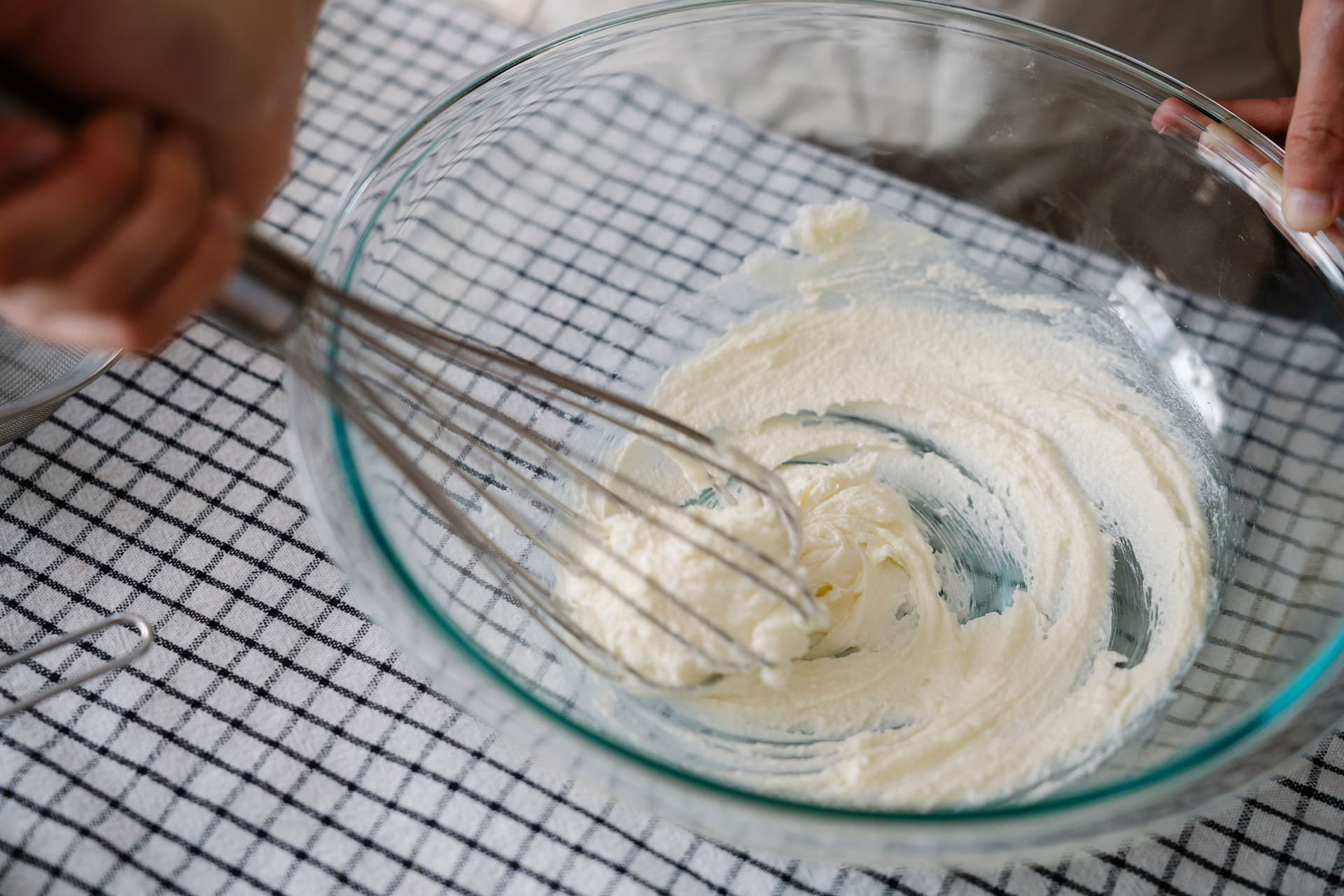
  • Cream being whisked by hand in a glass bowl

    The easy choice

    Cuisinart ICE-21P1

    1.5 qt, about 20 minutes. Sorbet is the least demanding thing this machine makes.

    TypeFreezer bowl
    Capacity1.5 qt
    Pre-freeze16-24 hrs
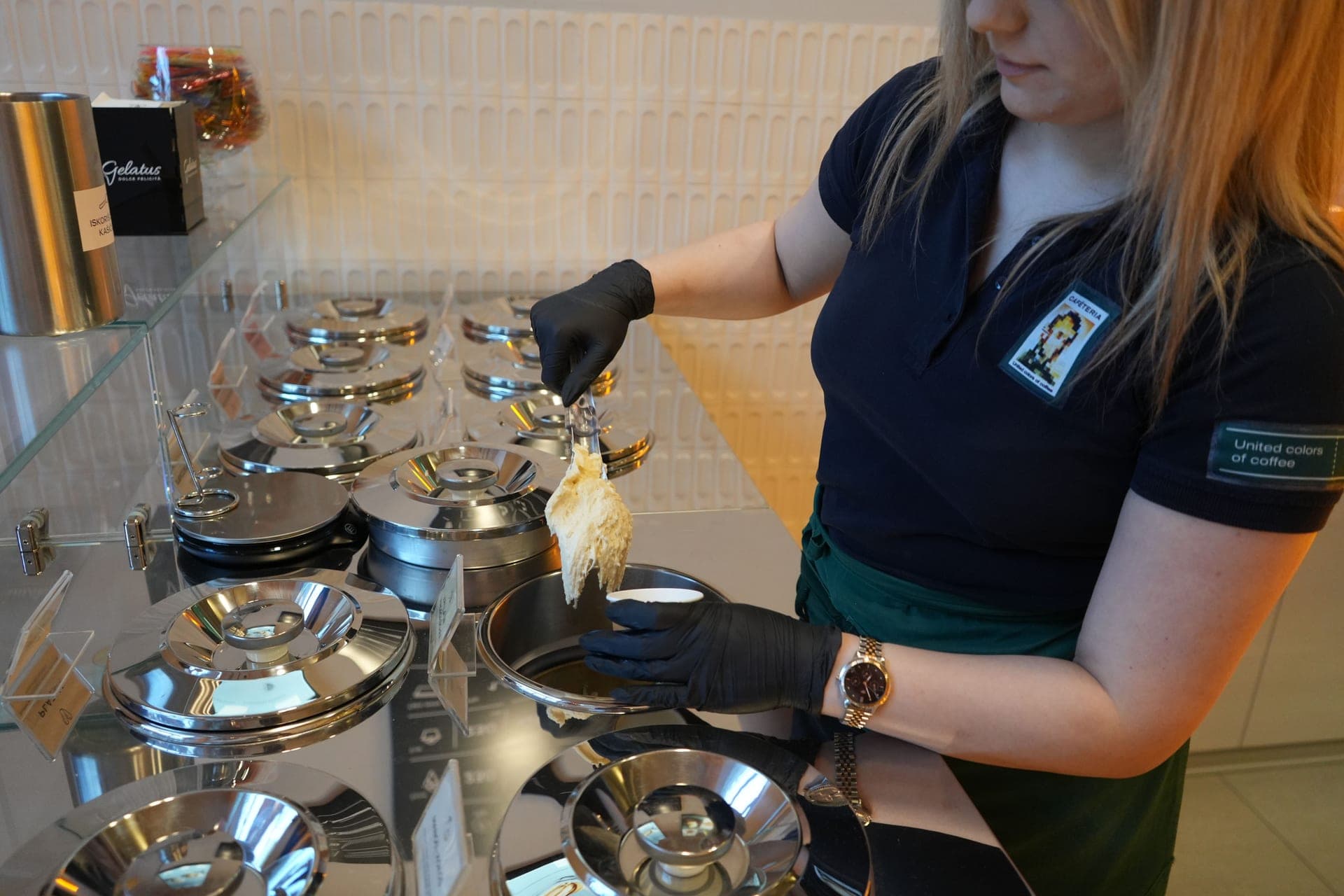
  • Gelato being served from a stainless steel counter in a cafe

    Dense, intense sorbet

    Cuisinart ICE-100

    The low-air gelato paddle concentrates fruit flavor rather than fluffing it.

    TypeCompressor
    Capacity1.5 qt
    Pre-freezeNone

FAQ

Questions people actually ask

How much sugar goes in sorbet?

Roughly 20 to 30 percent of the total mixture by weight. Below that there is not enough dissolved sugar to depress the freezing point and it sets rock solid; above it the freezing point drops so far that it never firms up. The window is narrower than in ice cream, because there is no fat doing part of the work.

What is the egg float test for sorbet?

Float a whole uncracked egg in the finished mixture. If a circle of shell about the size of a nickel shows above the surface, the sugar concentration is right. If it sinks there is too little sugar; if it floats high there is too much. It works because sugar concentration changes the liquid's density.

Why is my sorbet rock hard?

Almost always too little sugar. Sugar depresses the freezing point, and with no fat in a sorbet it is the only thing doing that. A tablespoon of vodka per quart also helps, since alcohol does not freeze at domestic freezer temperatures.

Do I need to make a syrup, or can I just stir sugar in?

Make the syrup. Cold fruit purée will not dissolve a cup of granulated sugar, and you will end up with a gritty sorbet and a layer of sugar at the bottom of the container. Five minutes of gentle heat guarantees a solution; cool it completely before combining.

What is the difference between sorbet and sherbet?

Sorbet contains no dairy at all. Sherbet contains a small amount of milk or cream, which makes it softer and paler. Granita is the same kind of mixture frozen without churning and scraped with a fork, so it has deliberately large crystals.

Sources

Read next

More in this section

Recipes