If you already own a compatible KitchenAid stand mixer, buy the attachment. If you do not, buy a standalone machine and do not buy a mixer to get the attachment. This comparison has a genuinely conditional answer, and the condition is the whole thing.
Side by side
| Spec | 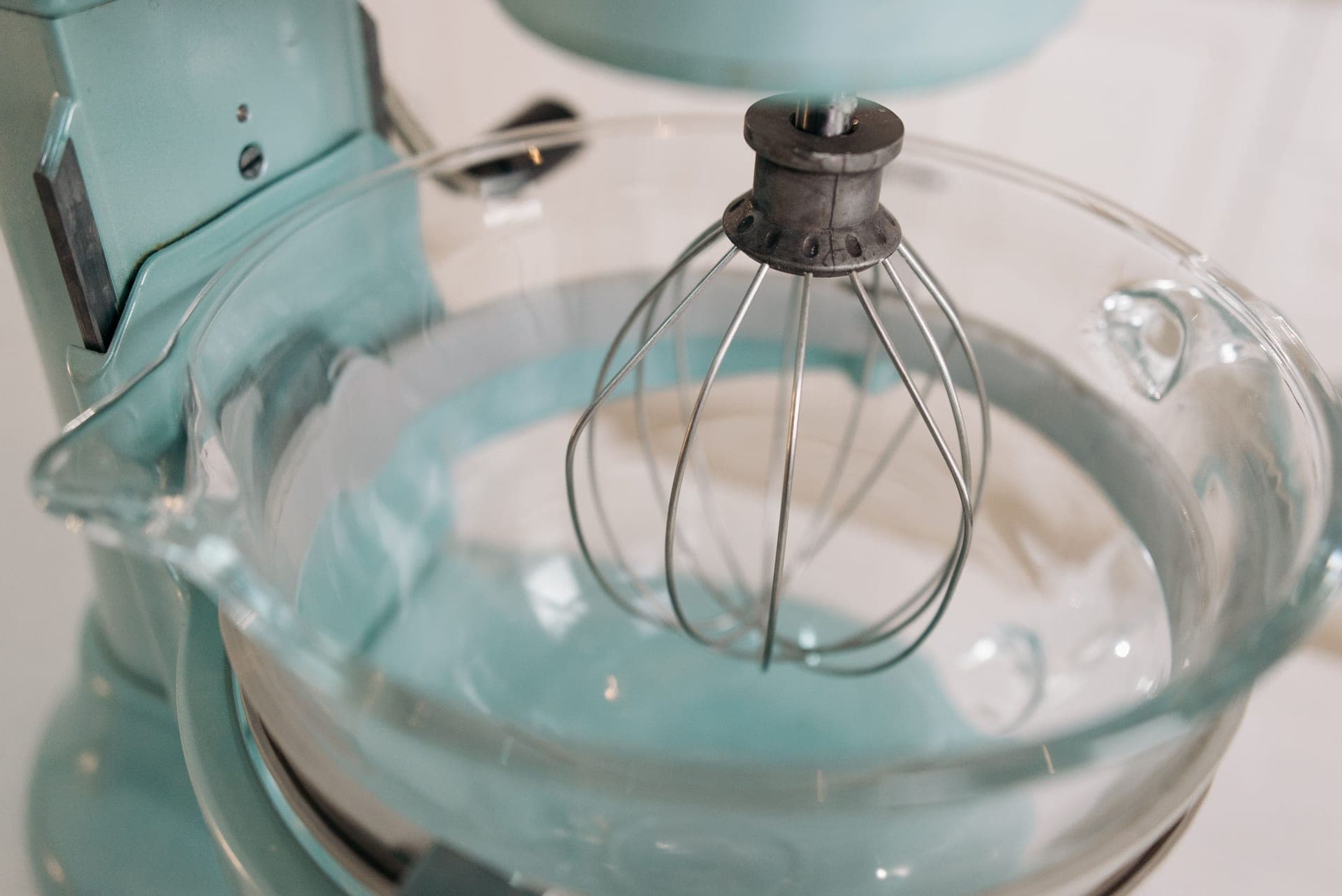 | 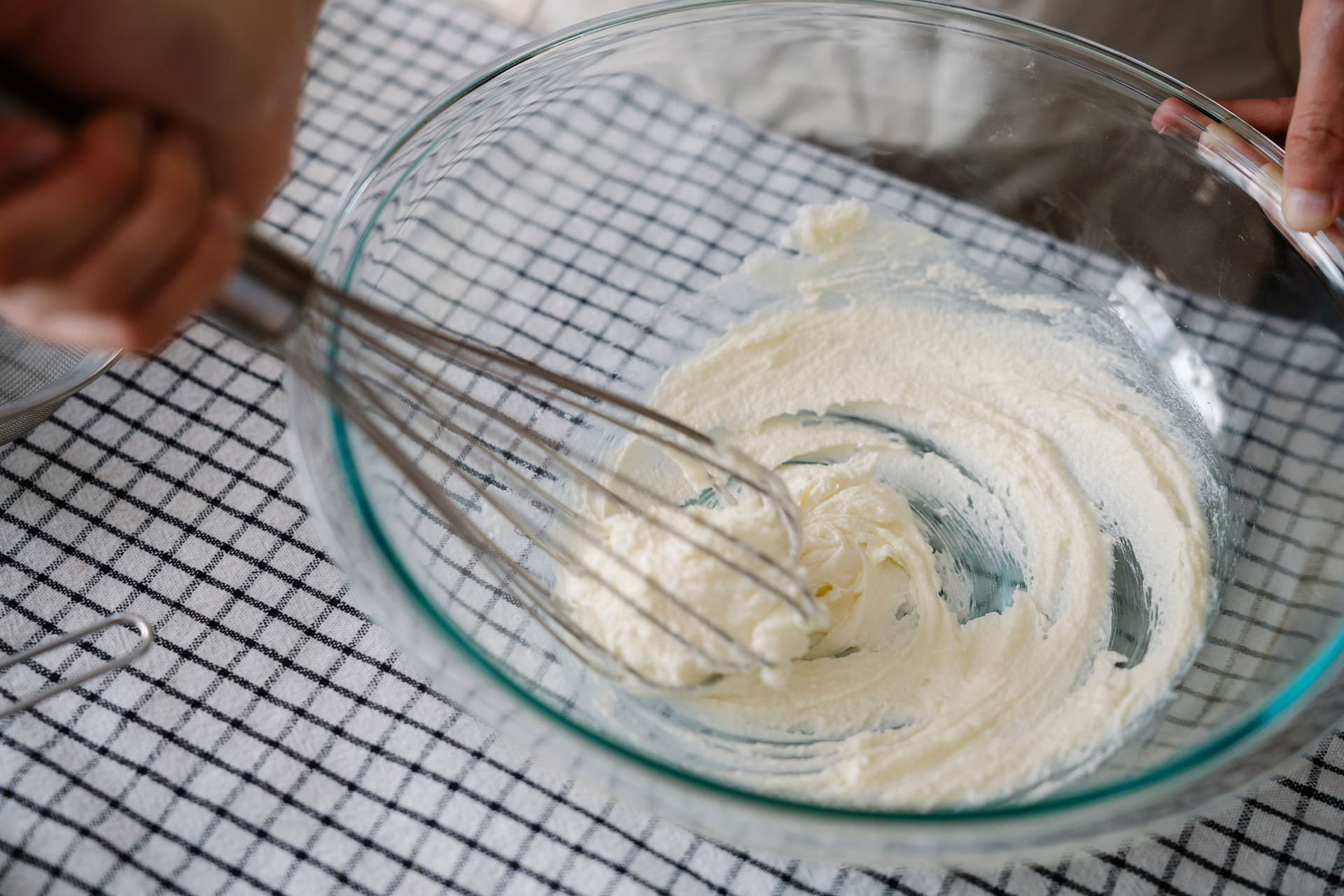 |
|---|---|---|
| Capacity | 2 qt at soft-serve | 1.5 qt rated |
| Pre-freeze | 24 hours minimum | 16-24 hours |
| Churn time | 20-30 min | 15-20 min (Dream Scoops) |
| Motor | Your stand mixer's | 60 W built in |
| Extra appliance | None | One more machine to store |
| Freezer space | 11" bowl | Smaller bowl |
| Bowl cleaning | Hand wash only | Hand wash |
| Works without a mixer | No | Yes |
| Compatibility risk | Adapter ring on some tilt-heads | None |
| Price |
Why the attachment wins when the condition holds
A standalone canister machine is three things: a gel bowl, a motor and a housing. The attachment is a gel bowl and a dasher, because the motor is already in your kitchen — and it is a far better motor than the 60-watt unit inside a $70 machine.
That has a practical consequence. A stand mixer will not stall on a stiff mixture. If you make dense, low-overrun bases or add substantial mix-ins, the attachment handles them more confidently than a cheap standalone machine does.
And you get 2 quarts against 1.5, with no additional appliance taking up counter or cupboard space.
The two compatibility checks
KitchenAid states the attachment fits all models except the Artisan Mini 3.5 quart, and that some tilt-head models require the adapter ring. Confirm against KitchenAid's own compatibility information for your specific mixer before ordering. This is the most common and most avoidable problem with this accessory, and unlike a standalone machine, an incompatible attachment is worth nothing to you.
Where a standalone machine wins
You do not own the mixer. A KitchenAid stand mixer costs several times a good canister ice cream maker. Buying one in order to make ice cream is by far the most expensive route to 2 quarts available.
Shorter pre-freeze. KitchenAid specifies at least 24 hours for its bowl; most canister bowls want 16 to 24. A bigger bowl holding more gel takes longer to chill all the way through.
Smaller freezer commitment. The attachment bowl is 11 inches across. Since the winning habit with any gel bowl is to keep it in the freezer permanently, that is a real shelf you are giving up.
It does not tie up the mixer. For 20 to 30 minutes plus setup, your mixer is churning ice cream and cannot be doing anything else. Rarely a problem, occasionally one.
Faster churn. Dream Scoops measured the Cuisinart ICE-21 at 15 to 20 minutes against KitchenAid's stated 20 to 30.
Reading “2 quarts at soft-serve consistency” properly
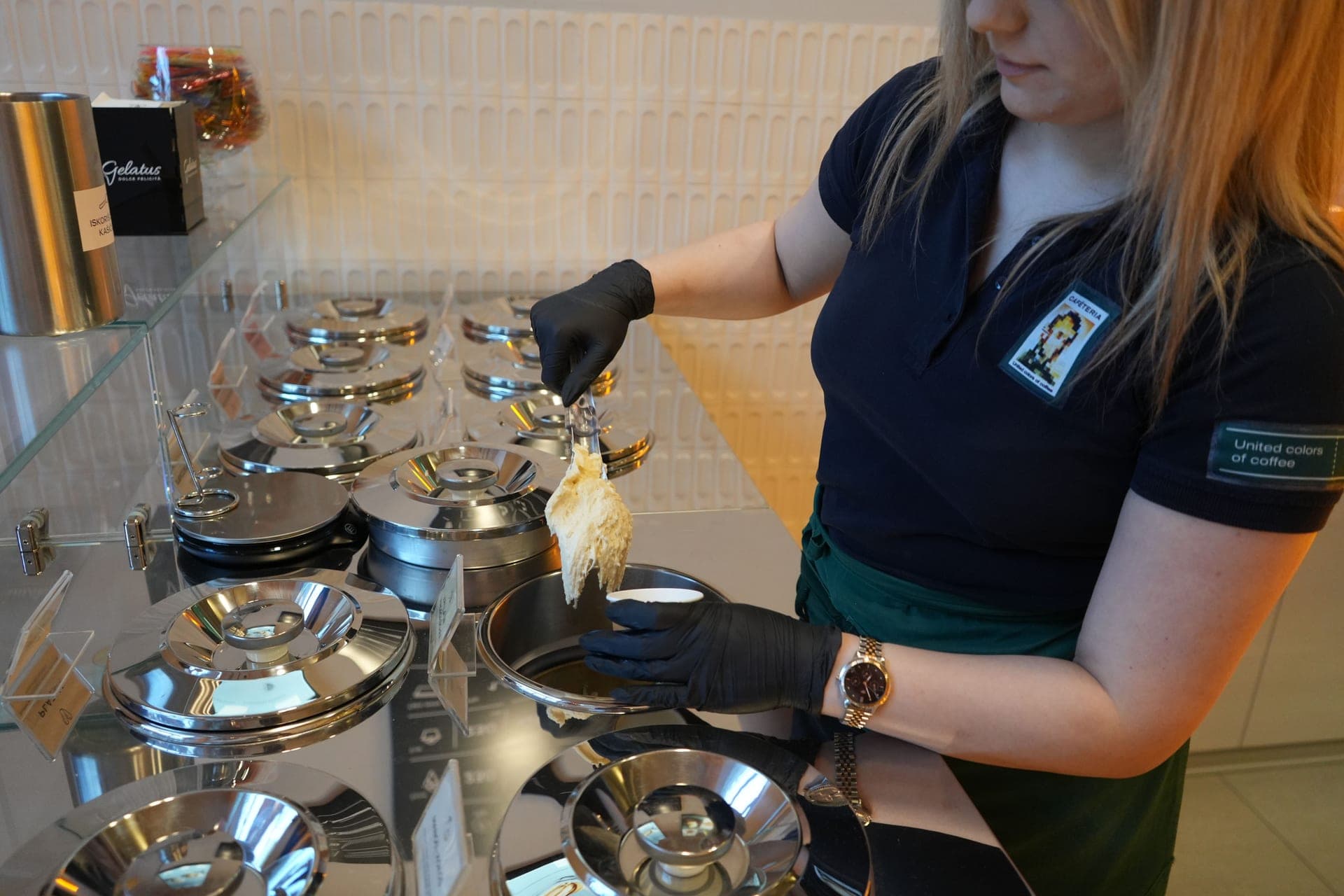
KitchenAid's wording is precise and worth taking literally. The 2-quart figure is the volume of soft ice cream at the end of the churn. You transfer it to a container and freeze it for a few hours to firm up, and it settles somewhat.
Every machine in this category behaves this way; KitchenAid is just unusually honest in how it is phrased. How long to churn covers what soft-serve consistency looks like in the bowl.
The option this comparison leaves out
Neither of these solves the pre-freeze wait. Both need a bowl frozen for roughly a day. If that is the constraint actually bothering you, the answer is a compressor machine — the Whynter ICM-201SB took America's Test Kitchen's self-refrigerating award at $310 in June 2026, holds 2.1 quarts and needs no pre-freeze at all. See compressor versus freezer bowl.
Verdict
- You own a compatible KitchenAid: the attachment. Best value 2 quarts on the site, with a stronger motor than any cheap standalone machine.
- You do not own one: a standalone canister machine, and the Cuisinart ICE-21P1 at $70 is the one to buy.
- You own an Artisan Mini 3.5 quart: standalone. KitchenAid excludes that model outright.
- Your freezer is already full: standalone, with the smaller bowl.
Full write-up: the KitchenAid attachment review.