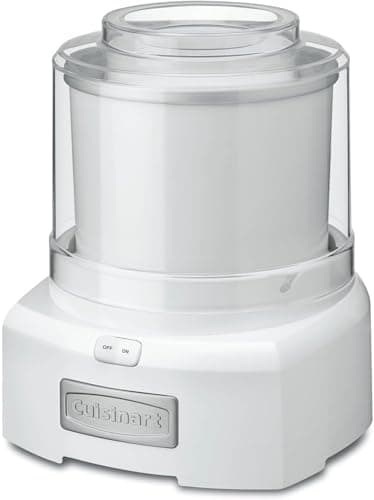
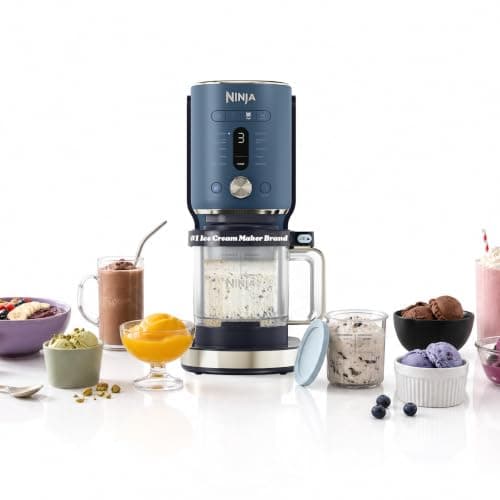
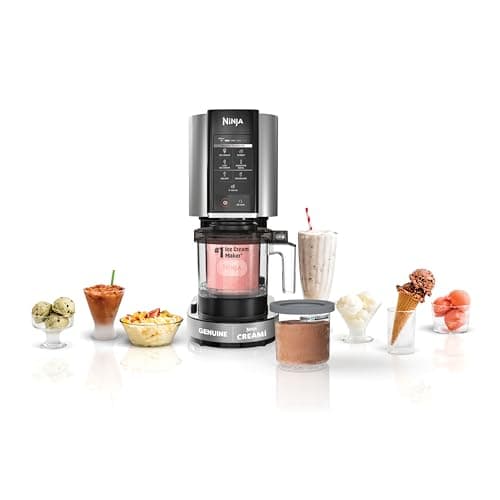
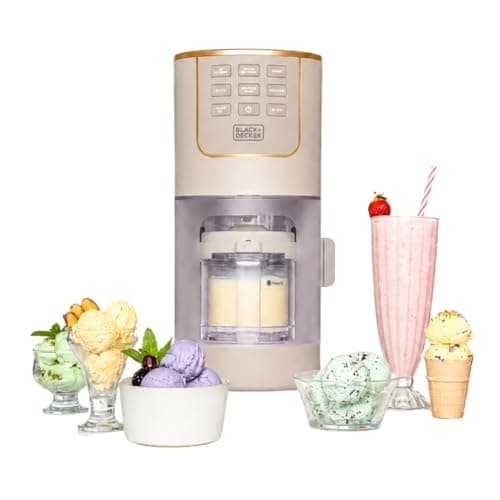
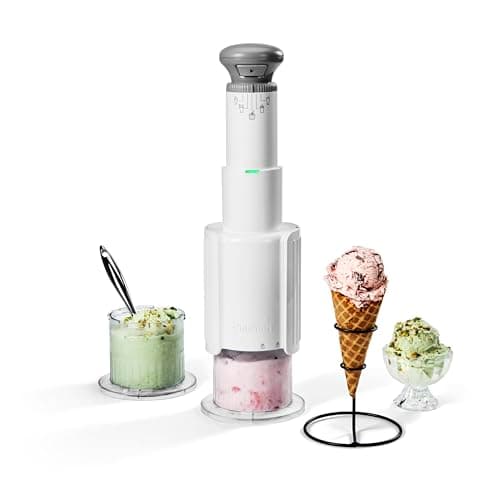
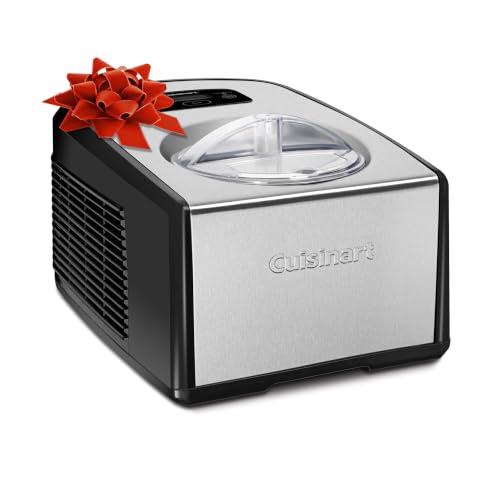
Buy the Ninja CREAMi XL Deluxe Gen 2 (NC601). It is the best machine for mix-ins because it has an actual mix-in pass: you spin the pint first, cut a channel down the middle, drop in the cookie dough or chocolate, and run a second short program that folds them through the whole tub instead of leaving them floating on top. The budget pick is the Cuisinart FastFreeze Max ICE-FD50, the cheapest machine here with a mix-ins setting on the panel rather than a technique you improvise.
Why mix-ins are harder than they look
Three things go wrong. Chunks added too early get pulverised by the paddle or blade and bleed colour through the base. Chunks added too late sit in the top third of the tub, so the first bowl is all cookie dough and the last is plain vanilla. And anything added at room temperature carries heat into a mixture you have spent twenty minutes freezing, which softens it exactly when you want it to firm.
A machine with a mix-in pass solves the first two by design: the base is already frozen and set, so the blade folds rather than shears, and the pass runs long enough to distribute evenly. The third one is on you — freeze or at least chill the additions first.
The two-minute rule for churning machines
On any churner, mix-ins go in during the last two minutes. Add them when the mixture has already thickened to soft-serve and the paddle is visibly struggling, scatter them rather than dumping them in one place, and stop the machine as soon as they look distributed. Chill the mix-ins first. Anything larger than a chocolate chip is better folded in by hand as you transfer the batch to its container.
Spin machines versus churners, for this specific job
Spin machines win on mix-ins and it is not close. The base is a solid block when the additions go in, so chunks keep their shape and their colour stays where it belongs, and the dedicated pass means you are not guessing about timing. The ceiling is capacity: a 16 oz pint is one or two servings, and the 24 oz XL tub on the NC601 is the largest mix-in batch available in this registry.
Churners win on volume. A 1.5 or 2 quart machine makes four to six servings in one go, and the two-minute rule above works perfectly well — it is how ice cream shops have done it forever. The Cuisinart ICE-100 is the pick here mainly because its Keep Cool hold gives you a calm ten-minute window to fold things in without the batch melting on the counter. For a bigger crowd, the big-batch roundup is the right page and hand-folding is the right method.
What actually works as a mix-in
Hard inclusions behave: chocolate chunks, toasted nuts, crushed cookies, candy pieces, brownie cubes, cookie dough made with heat-treated flour. Soft and wet inclusions do not: fresh fruit turns to ice shards, caramel sauce needs to be rippled rather than mixed, and anything with a lot of water will freeze into crunch. Fruit is better cooked down into a compote or swirled in at the container stage.
If the mix-in is the point of the whole dessert — a proper cookies-and-cream, say — start from a base that can carry it. Our no-fail vanilla is the one to build on, and the ingredients guide explains why fat content decides how well an inclusion stays suspended rather than sinking.
Who should skip the dedicated machine
If you make one flavour of ice cream a month, you do not need a mix-in program; you need the two-minute rule and a spatula. Buy for the batch size and the mechanism that fits your kitchen first — the main roundup ranks on that — and treat the mix-in pass as a bonus rather than the deciding feature. It only earns its keep if your household is the kind that argues about whether there is enough cookie dough in the bottom third.