Skip to content
Freeze & Fold

Machine Reviews7 min read

Cuisinart ICE-30BCP1 review

The 2-quart version of the machine we usually recommend. Whether the extra half quart earns its price comes down to your table.

By Janet H.Published Last reviewed
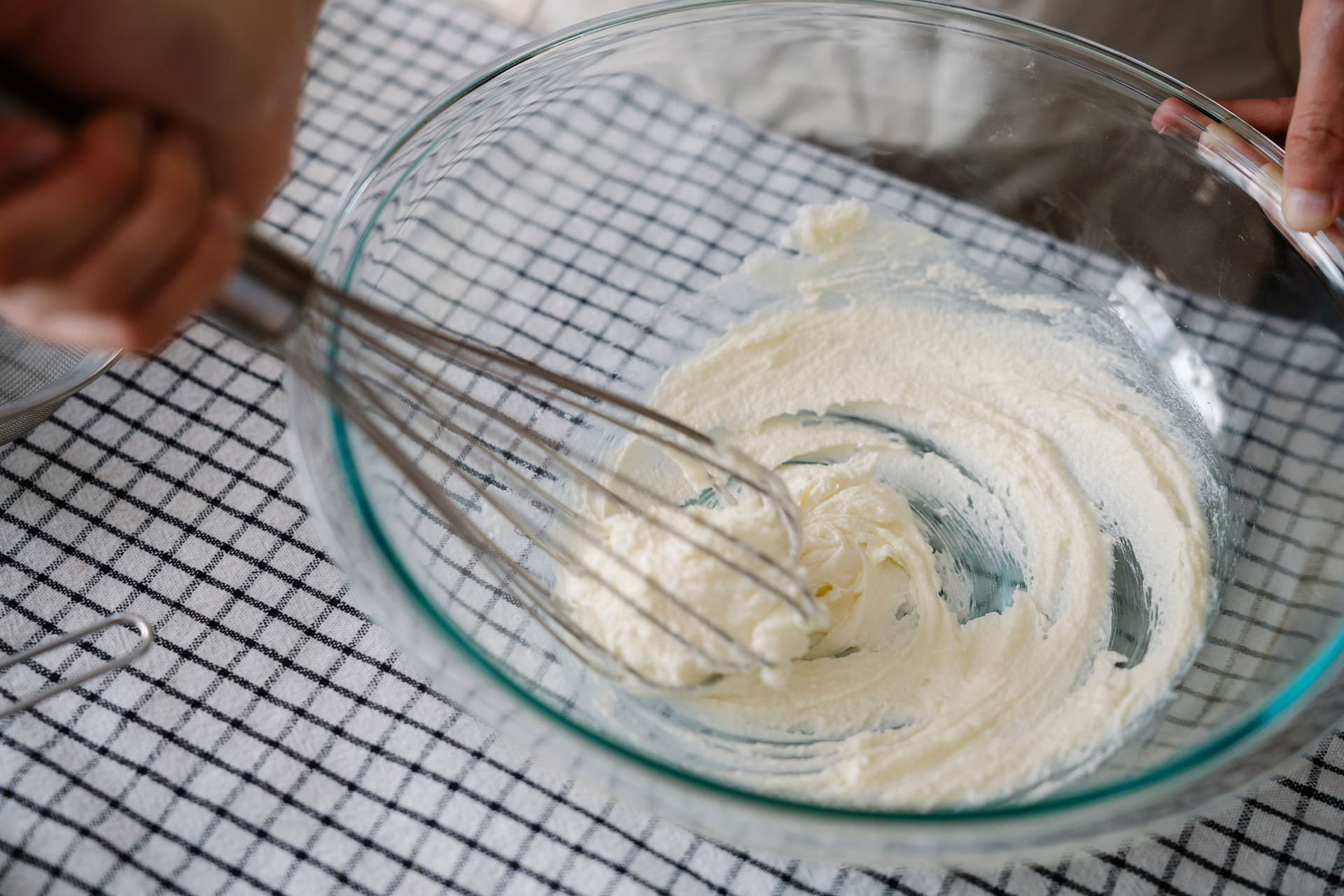
Cream being whisked by hand in a glass bowl

How we pick

We do not test ice cream makers in a kitchen of our own. Every pick here is an editorial synthesis of published hands-on testing by named reviewers plus manufacturer specification data, cited on this page. Product photos are representative stock images of the machine type, not the specific model. Read the full methodology.

DisclosureFreeze & Fold is a participant in the Amazon Services LLC Associates Program. If you buy through a link on this page we may earn a commission at no extra cost to you. Prices and availability change constantly, so we send you to Amazon to see the current price rather than printing one here. Full disclosure.

Buy it only if 1.5 quarts genuinely runs out at your table. The ICE-30BCP1 is the 2-quart version of the Cuisinart ICE-21P1, on the same mechanism, with the same pre-freeze requirement. The ice cream is not better. You are buying half a quart of capacity.

What the published testing found

America's Test Kitchen recommended the ICE-30BCP1 in its June 2026 equipment review, listing it at $100 — $30 above the ICE-21P1, which took the best canister-style award in the same review.

The more interesting evidence is longevity. Ice Cream Science reports roughly seven years of use with a Cuisinart ICE-30, and still rates its output as great ice cream, smooth and creamy, with minor icy bits. Seven years of real ownership from a named source is worth considerably more than a two-week test, and it is the strongest argument for this machine: the mechanism lasts.

They record the capacity as 1.89 liters, which is the honest metric version of “2 quarts.”

Read the capacity carefully

Rated capacity is where the expanding mixture starts climbing out, not the volume to pour in. Assume roughly two thirds is the practical fill: call it 1.3 quarts of finished ice cream from a 2-quart machine, against about a quart from the 1.5-quart ICE-21. The real-world difference between the two is a couple of extra servings, not a different category of machine.

What it shares with the cheaper machine

Everything that matters mechanically. A double-walled gel bowl you freeze for 16 to 24 hours, a small motor turning a paddle, no refrigeration unit, no timer, no texture programs. It cannot run two batches back to back, because the bowl has spent its cold.

It also shares the workaround: keep the bowl in the freezer permanently and the planning problem disappears. A 2-quart bowl takes more freezer space than a 1.5-quart one, which is the quiet cost of the upgrade.

What actually differs

  • Half a quart of capacity. The headline reason, and the only substantial one.
  • Brushed stainless housing rather than white plastic. Cosmetic, and it wears better.
  • A slightly longer churn, in the region of 20 to 25 minutes, because there is more mixture to freeze with a similar cold budget.
  • A larger bowl to store, which matters if freezer space is tight.

On the “minor icy bits”

Worth addressing since it is the one negative in the long-term report. Ice Cream Science rates the ICE-30's output as smooth and creamy with minor icy bits, while rating the ICE-70P1 — a 2-quart machine with a timer and texture programs — as excellent with very few coarse bits.

That difference is consistent with what you would expect: a bigger volume of base on a similar cold budget freezes a little more slowly, and slower freezing grows slightly larger crystals. It is a small effect and it is partly within your control — chill the base hard, do not overfill, and do not let the churn run long past the point where it stops thickening. The mechanism is explained in why homemade ice cream is icy.

The two machines to weigh it against

The ICE-21P1, if you can live with 1.5 quarts. Same mechanism, $30 less, ATK's award winner, and a smaller bowl to store. The direct comparison is ICE-21 versus ICE-30.

The ICE-70P1, if you want 2 quarts and better texture. It adds an LCD countdown timer, auto shut-off and three texture programs, and Ice Cream Science rated its output higher. If you are already stepping up from the ICE-21 for capacity, this is the version of that step worth considering — see the ICE-70P1 review.

Verdict

A durable, well-reviewed machine with seven years of published use behind it, and a purchase that only makes sense on capacity grounds. If you regularly serve six or more people, buy it. If you serve four, buy the ICE-21P1 and put the $30 into cream.
The verdict card

Cream being whisked by hand in a glass bowl

A bigger single batchFreezer bowl

Cuisinart ICE-30BCP1

The 2-quart version of the same idea. Worth the step up only if 1.5 quarts genuinely runs out at your table.

Spec sheet

TypeFreezer bowl (pre-freeze required)
Capacity2 qt (1.89 L per Ice Cream Science)
Pre-freeze16-24 hours
Churn timeAbout 20-25 minutes
HousingBrushed stainless
Back-to-back batchesNo, the bowl must refreeze

What it gets right

  • Recommended by America's Test Kitchen in June 2026, listed at $100
  • Ice Cream Science reports roughly seven years of use from one machine and still rates the output smooth and creamy
  • Half a quart more than the ICE-21 from a single churn
  • Brushed stainless housing wears better than white plastic

What it costs you

  • Same 16 to 24 hour pre-freeze as the cheaper ICE-21
  • A bigger bowl takes more freezer space, not less
  • Ice Cream Science notes minor icy bits in the finished texture
  • About $30 more than the ICE-21 for the same mechanism

Who should skip this

1.5 quarts is already enough. You are paying for volume here, not for better ice cream.

Our score8.2/10

Texture
8/10
Speed
5/10
Capacity
7/10
Ease
9/10
Value
8/10
Footprint
5/10

What these six numbers mean

FAQ

Questions people actually ask

Is the Cuisinart ICE-30 better than the ICE-21?

Not better, bigger. It holds 2 quarts against 1.5, on an identical mechanism with the same 16 to 24 hour pre-freeze, and America's Test Kitchen listed it at $100 against $70 for the ICE-21 in June 2026. The ICE-21 took the best canister-style award in that same review.

How long does the Cuisinart ICE-30 last?

Ice Cream Science reports roughly seven years of use with one and still rates the output as smooth and creamy, with minor icy bits. Seven years of documented ownership from a named source is the strongest argument for this machine.

How much ice cream does the Cuisinart ICE-30 actually make?

It is rated at 2 quarts, which Ice Cream Science records as 1.89 liters, and the practical fill is around two thirds of that. Expect roughly 1.3 quarts of finished ice cream, against about a quart from the 1.5-quart ICE-21.

Why does the ICE-30 produce minor icy bits?

A larger volume of base freezing on a similar cold budget freezes slightly more slowly, and slower freezing grows slightly larger crystals. It is a small effect and partly within your control: chill the base hard, do not overfill past about two thirds, and stop the churn once it stops thickening.

Can the Cuisinart ICE-30 make two batches in a row?

No. Like every freezer-bowl machine it works by giving up stored cold, so the bowl needs another 16 to 24 hours before a second batch. A spare bowl is the cheap solution; a compressor machine is the expensive one.

Sources

Read next

More in this section

Machine Reviews