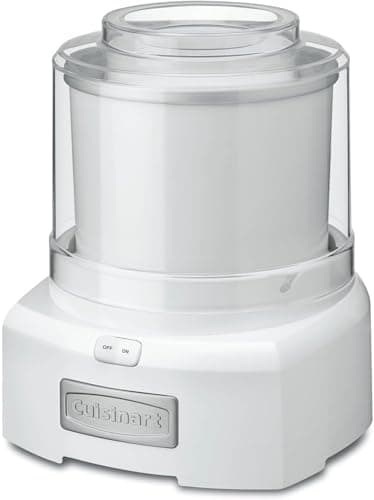
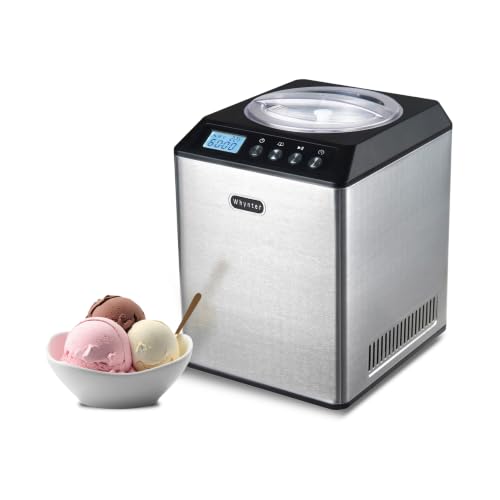
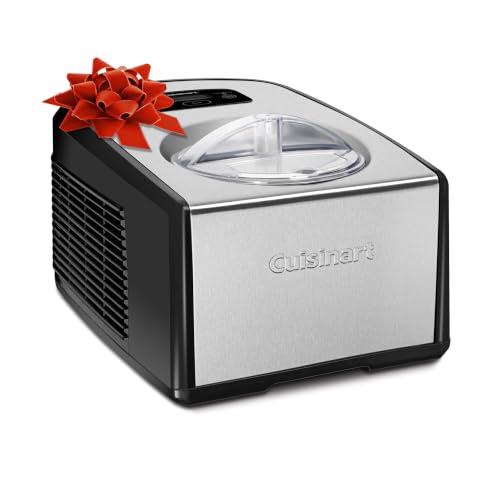
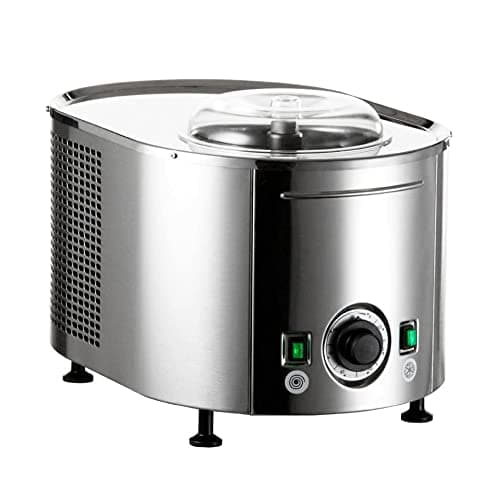
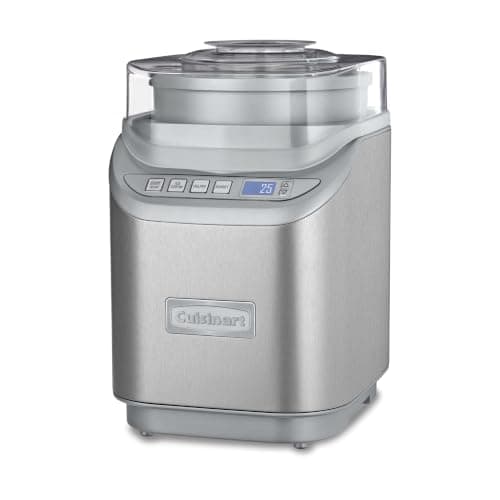
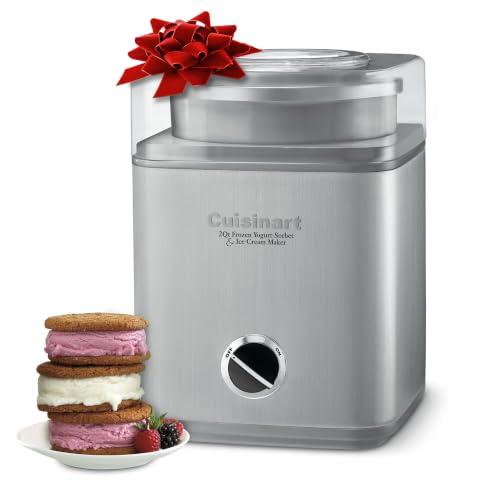
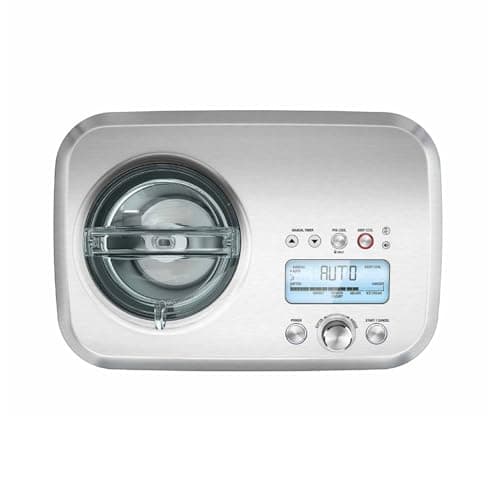
If you want the machine with the most independent testing behind it, buy the Cuisinart ICE-21P1. Three named publications have churned batches in it and published what happened, America's Test Kitchen made it their best canister-style pick in June 2026 at $70, and it is also the cheapest machine on this page. If the overnight bowl freeze is the thing you want tested away, buy the Whynter ICM-201SB, which is ATK's best self-refrigerating pick and gives you 2.1 quarts with no pre-freeze at all.
This page exists because “best ice cream maker according to America's Test Kitchen” is one of the things people actually search for, and the honest answer is more interesting than a single name. Very few ice cream makers get independently tested at all. The ones that do are mostly the same handful of machines, the testers do not always agree, and the disagreement is often the most useful thing on the page.
We are not a testing lab, and we do not pretend to be
Nothing on this page is our own measurement. Every churn time, texture verdict and price figure below is attributed to the named publication that produced it, with the date we read it. Our own scores are editorial judgments built from those published findings plus manufacturer specifications — our methodology page sets out exactly how they are derived and what they are not. If you want numbers from a lab, read the labs; this page tells you which ones exist.
What got a machine onto this page
Four rules, applied before any ranking:
- A named independent publication must have used the machine and published findings. Not a specification round-up, not an affiliate list — someone made ice cream in it and wrote down what came out.
- We must have been able to read the page ourselves. If we could not open it, we do not cite it, and we do not restate a verdict we have only seen summarized elsewhere.
- The finding has to be about this machine. A verdict on a different model from the same brand does not transfer, and where a tester rated a sibling model instead we say so on the card.
- Disagreement is reported, not resolved. One machine here is recommended by one lab and warned against by another. Hiding that would make this page less useful than the two reviews it is built from.
Who actually tests ice cream makers
The pool is small. America's Test Kitchen runs the broadest equipment review in the category, updated in June 2026, and is the source for most of the price figures and category winners on this page. Ice Cream Science is the most technical: it publishes measured churn times, optimal fill volumes and long-term findings after months or years of use, which nobody else does. Dream Scoops reviews compressor machines in depth and is the only source here willing to publish a flat do-not-buy on a machine another lab recommends. Barefeet in the Kitchen and Taste of Home add hands-on household use rather than lab conditions, which is a different and still useful kind of evidence.
That is close to the whole list for home ice cream makers in the United States. Consumer Reports keeps its appliance ratings behind a subscription, so nothing here is attributed to them. Several large publications that do run kitchen testing return an access error to us, so we cannot verify what they concluded and we do not name them as sources anywhere on this site. A verdict we cannot read is a verdict we cannot stand behind.
Where the testers agree
On one point, completely: a cheap pre-frozen canister machine makes very good ice cream. The ICE-21P1 did not win a budget consolation category in ATK's June 2026 review; it won the canister class outright at $70, against machines costing several times more. Ice Cream Science's long-term findings on the ICE-30 point the same way, and Barefeet in the Kitchen's household testing reaches the same conclusion from a different direction. If that is the band you are shopping in, the best machines under $150 ranks it on price and mechanism rather than on published evidence.
They also agree on what a compressor buys you, which is time rather than texture. ATK recommends the Cuisinart ICE-100 and names the Whynter ICM-201SB their best self-refrigerating machine; Dream Scoops calls the ICE-100 the best value alternative to an expensive Italian machine. None of them claims a compressor makes dramatically better ice cream than a $70 canister. It makes ice cream tonight. Our compressor-versus-freezer-bowl guide works that trade-off through properly.
Where they disagree, and what to do about it
The Breville Smart Scoop BCI600XL is the interesting case and the reason this page is not a list of winners. America's Test Kitchen recommends it. It is the most automated machine in the category: twelve hardness settings, an audible alert when the target is reached, and it decides when the ice cream is done rather than leaving that to you. Dream Scoops advises against buying it, reporting that it took considerably longer to freeze than any other machine they tested and produced a coarser, wetter, icier texture.
Both of those can be true at once, because they are measuring different things. ATK is rating a machine on how reliably it delivers a result to a user; Dream Scoops is rating the result itself against other compressors. If you want the hands-off experience, the ATK verdict is the relevant one. If texture is why you are spending $600, the Dream Scoops finding is the one that should decide it — and at that price the ICE-100 and the Whynter have less contested output. The Lello against the Breville publishes that split verdict side by side.
The machines with no published verdict at all
This is the part most “tested and reviewed” round-ups leave out. Most of the frozen-pint spin machines on sale have never been independently tested. The nutribullet Chill, the BLACK+DECKER Perfect Pint and the Cuisinart FastFreeze Max ICE-FD50 have no lab verdict we can read, which is recorded as a con on each of their cards rather than smoothed over. The same is true of the GreenPan Frost, the Whynter ICM-220CGY, the Nostalgia bucket machine and three of the four current Ninja CREAMi models.
That is not the same as saying they are bad. It means the evidence available to you is the manufacturer's own specification sheet plus whatever the return policy is worth. For the pint machines in particular, the mechanism is well understood even where the individual model is not — the pint-machine roundup ranks them on published specifications and is explicit about where that is all it has to work with.
There is one published negative worth knowing: ATK listed the half-pint Cuisinart FastFreeze ICE-FD10 as Not Recommended in June 2026. That verdict is about the ICE-FD10 specifically and does not transfer to the larger FastFreeze Max, but it is the only lab finding that exists on that platform and it belongs on the table.
How to read a tested recommendation
Three things make a published verdict more or less useful to you. Date: an equipment review updated in June 2026 reflects machines you can currently buy; a 2018 hands-on does not, however good it was. Method: a measured churn time and an optimal fill volume tell you more than a star rating, which is why Ice Cream Science earns more weight on this page than its traffic would suggest. Price at the time: the dollar figures quoted here are what the testers recorded when they wrote, not today's number. Every live price on this site sits under its own buy button with a refresh date.
If you want our own ranking rather than the labs', that is a different page: the main best ice cream makers roundup ranks on fit for a household rather than on published evidence alone, and the brand ranking uses whether a named lab has rated a brand's machines as one of its four criteria.