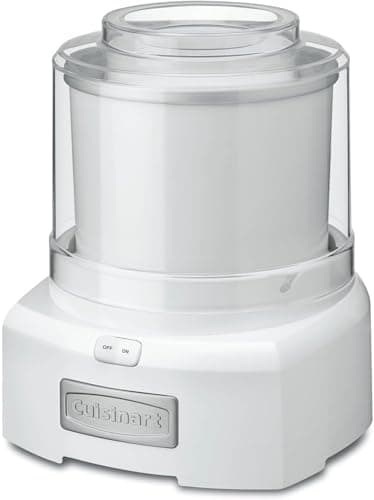
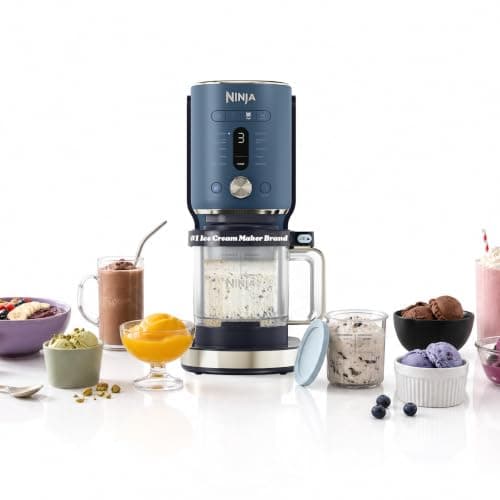
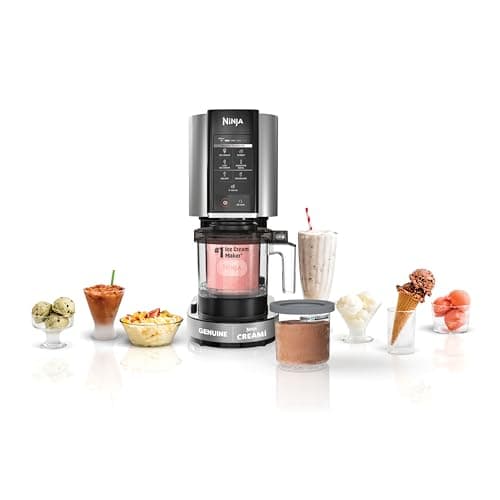
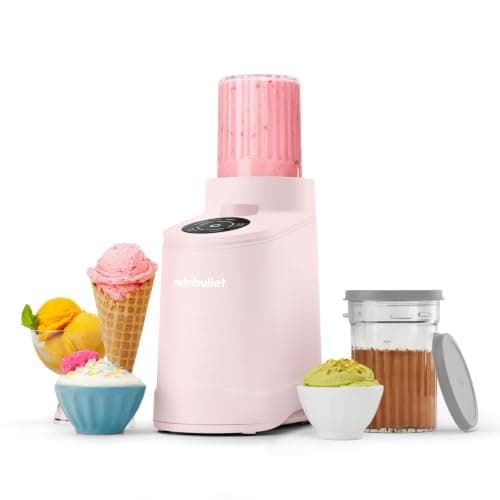
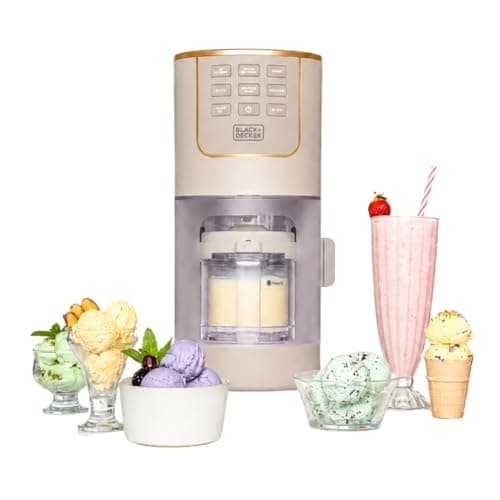
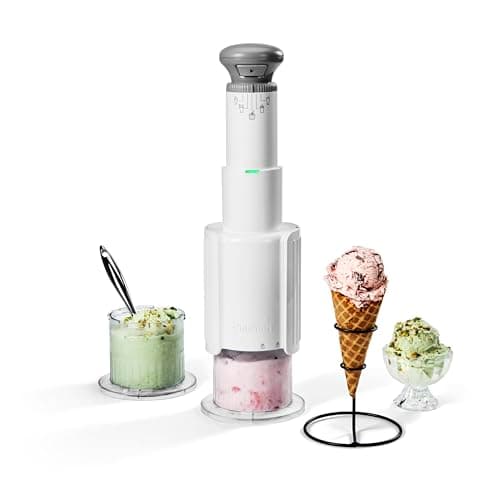
Buy the Ninja CREAMi XL Deluxe Gen 2 (NC601). Keto ice cream has one characteristic failure — it sets like a brick and shatters icy — and a spin machine is the only mechanism that treats that as normal rather than as a mistake, because it starts from a frozen block by design. The budget pick is the Cuisinart FastFreeze Max ICE-FD50, the cheapest machine here that works the same way, as long as one pint at a time suits you.
Why sugar-free ice cream freezes hard
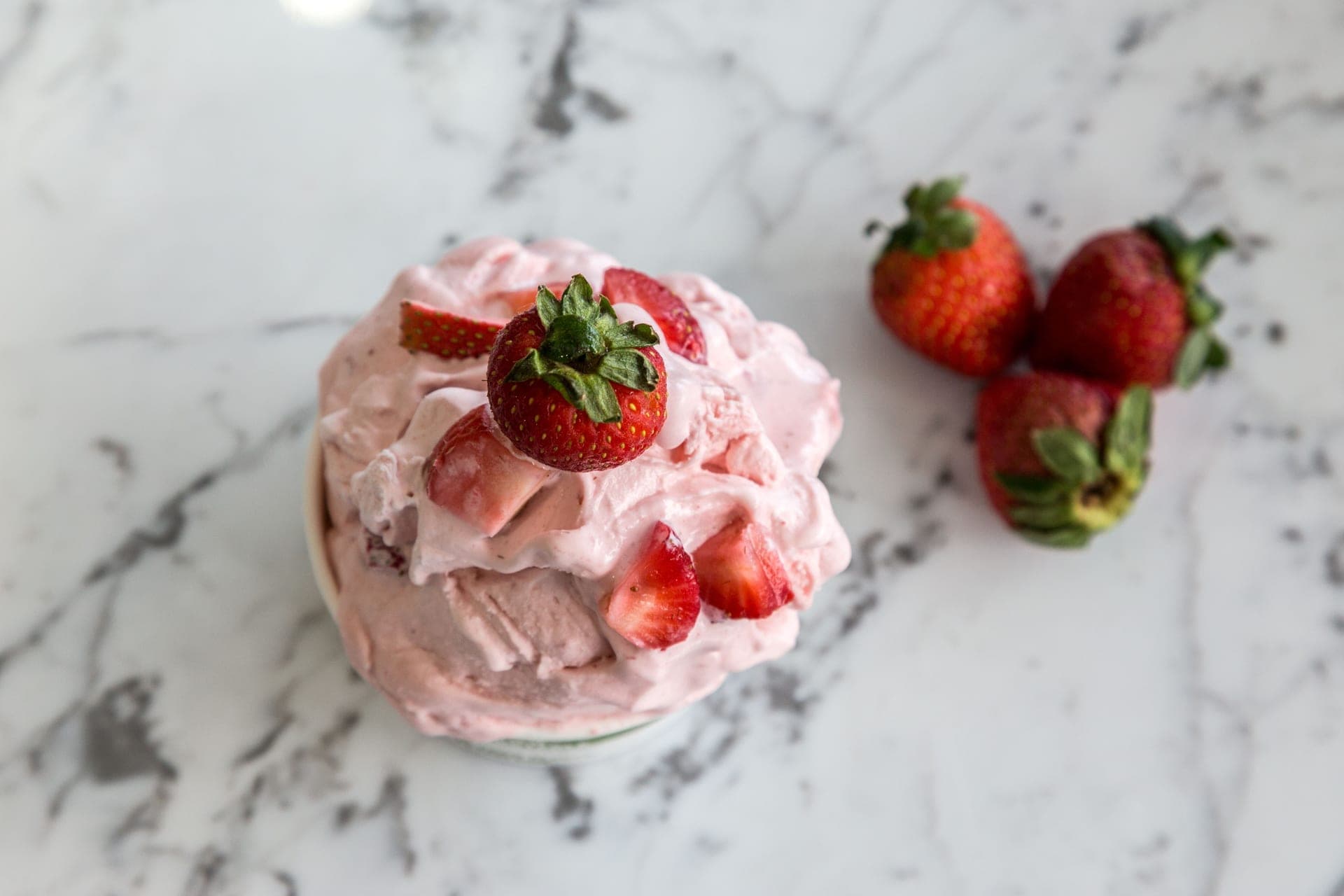
Sugar is not just sweetness. Dissolved in water it lowers the freezing point of the mix, so ordinary ice cream stays soft enough to scoop at freezer temperature. Pull the sugar out and replace it with erythritol, allulose or a stevia blend and you change how much of that freezing-point depression you get: allulose behaves fairly similarly to sugar in this respect, while erythritol is well known for setting hard and giving a cooling bite.
So the dessert that comes out of the machine can be perfect and the dessert that comes out of the freezer three hours later can be unusable. That is a storage and texture problem, not a churning one, and it is why the guide on ice cream that freezes too hard is required reading before you buy anything.
The mechanical answer
A spin machine shaves a frozen block instead of freezing a liquid. You freeze the pint solid for 24 hours — which is exactly what a keto base wants to do anyway — and the blade drives down through it at high speed, breaking the ice structure into something creamy. A base that is too hard is not a failure state for this mechanism; it is the input. That is the whole reason the low-carb crowd adopted the CREAMi.
Re-spin is the feature to look for
Every spin machine worth buying has a second pass for a base that came out crumbly: Ninja calls it Re-spin, BLACK+DECKER calls it Re-Spin, and it is the single most used button on the machine when you are working with sweeteners. The trick that goes with it is adding a splash of heavy cream or milk before the second pass, which gives the blade something to work with.
The NC601 goes a step further with named programs for leaner bases — lite ice cream and CreamiFit — which are simply different blade routines for mixes with less fat and less sugar. If you want the longer version of how that mechanism works, the CREAMi explainer covers it, and which model to buy compares the four.
The churner route, which still works
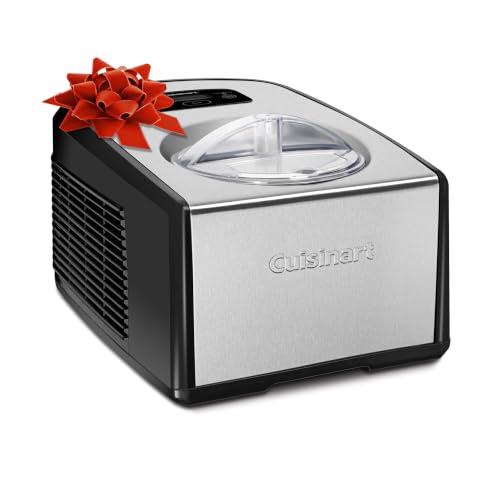
A compressor machine such as the Cuisinart ICE-100 avoids the problem from the other direction: it serves at soft-serve consistency straight from the bowl, so you eat the keto ice cream at its best moment and never meet the brick. The catch is that there are no leftovers worth having, and that a rich low-carb base with added fat is slow to firm up, which a self-refrigerating machine handles better than a freezer bowl with a fixed budget of cold.
What the machine cannot fix
Three things help every keto base regardless of machine. Use allulose for part of the sweetener if you can tolerate it, because it behaves most like sugar in the freezer. Add a small amount of stabiliser — our stabiliser guide covers which and how much. And let the pint sit out for ten minutes before serving; the professionals call it tempering and it does more for a low-carb dessert than any setting on any machine.
If your reason for going low-carb is protein rather than ketosis, the machine answer is slightly different — the protein ice cream roundup covers the bases built on whey and cottage cheese, and the protein recipe is the one to start with.